
2025: The Year Climate Change Went Wild – Are You Prepared for the Shocking Consequences?

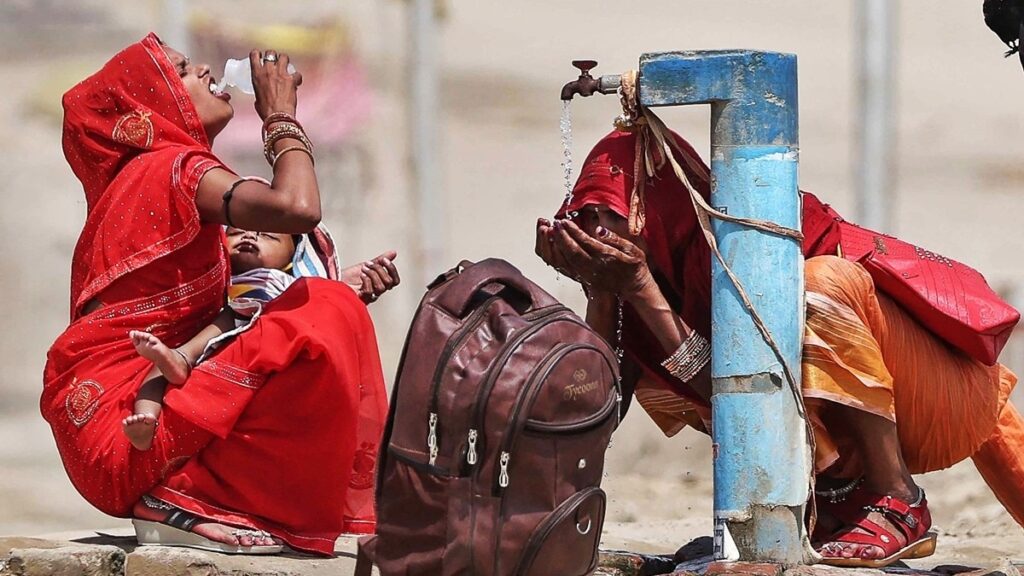
Climate change, significantly exacerbated by human activities, has led scientists to declare 2025 one of the hottest years on record. For the first time, the three-year average temperature has exceeded the 1.5 degrees Celsius limit set by the 2015 Paris Agreement. Experts warn that remaining below this threshold is crucial to prevent catastrophic environmental impacts and preserve human lives.
The World Weather Attribution (WWA) analysis released in Europe highlights a year marked by severe weather phenomena including heatwaves, wildfires, floods, and storms that have impacted populations globally. Despite the presence of a La Niña pattern, which typically cools temperatures, 2025 recorded persistently high heat levels attributed to ongoing fossil fuel consumption.
"If we don’t stop burning fossil fuels very, very quickly, very soon, it will be very hard to keep that goal of warming,"
Friederike Otto, co-founder of WWA and a climate scientist at Imperial College London, told the Associated Press. "The science is increasingly clear."
WWA researchers identified 157 of the year's most severe extreme weather events, with a focus on 22 particularly deadly occurrences. These included significant events that caused over 100 deaths, impacted more than half a region’s population, or prompted emergency declarations. Otto noted that some heatwaves studied in 2025 were ten times more likely than they would have been a decade ago due to climate change.
"The heatwaves we have observed this year are quite common events in our climate today, but they would have been almost impossible to occur without human-induced climate change,"
Otto added, emphasizing the profound differences that human activity has made in the climate landscape.
The Global Impact
Other disasters linked to climate change included wildfires fueled by prolonged drought in Greece and Turkey, deadly flooding in Mexico, Super Typhoon Fung-wong in the Philippines, and severe monsoon flooding and landslides in India. The WWA cautioned that increasingly frequent and severe extremes threaten millions of people worldwide, limiting their ability to adapt to such events due to inadequate warning systems, time, and resources, a phenomenon described as the limits of adaptation.
Recent events like Hurricane Melissa illustrated how swiftly intensifying storms can overwhelm effective forecasting and disaster response, particularly in nations such as Jamaica, Cuba, and Haiti. The challenges of addressing climate change were apparent at the recent United Nations climate talks in Brazil, which ended without a clear agreement to phase out fossil fuels. Although new funding was pledged to assist countries in adapting, the implementation process will take time.
Many officials, scientists, and analysts now acknowledge that the 1.5 degrees Celsius warming target will likely be exceeded, though some argue that reversal may still be possible. Progress on climate initiatives varies globally. While China is rapidly increasing its renewable energy deployment, it continues investing in coal. In Europe, extreme weather has sparked climate action, yet some countries cite economic growth concerns as a barrier. In the United States, recent policy shifts under the Trump administration have favored coal, oil, and gas over clean energy.
"The geopolitical weather is very cloudy this year with a lot of policymakers very clearly making policies for the interest of the fossil fuel industry rather than for the populations of their countries,"
Otto pointed out, highlighting the overwhelming presence of misinformation that complicates the public's understanding of climate change.
Andrew Kruczkiewicz, a senior researcher at the Columbia University Climate School, noted that regions experiencing these disasters are often unaccustomed to extreme weather. He emphasized the urgent need for improved response and recovery approaches, including the development of early warning systems. "On a global scale, progress is being made," Kruczkiewicz commented. "But we must do more."
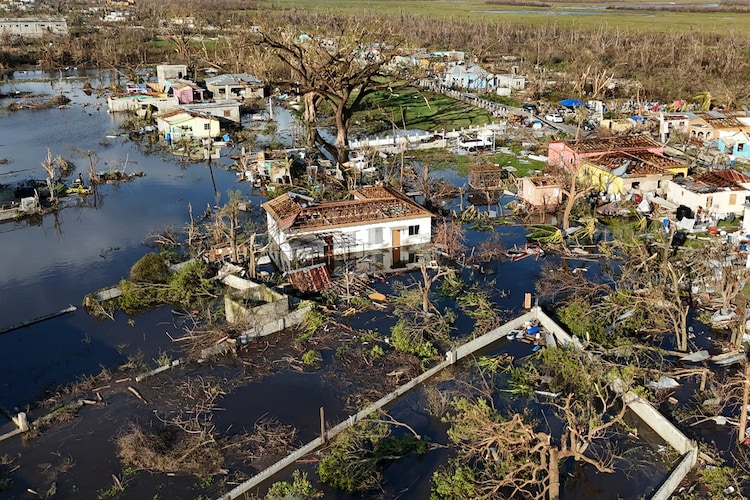
The implications of this analysis are stark: without significant and swift action to curb fossil fuel usage and enhance global cooperation on climate strategies, the frequency and intensity of extreme weather events will likely continue to rise, putting millions at risk and threatening the fabric of global society.
KakaoTalk and YouTube: The Shocking Truth Behind Korea's App Obsession Revealed!

Why Are U.S. Senators and Kansas Governor Throwing $220M at Rural Hospitals? The Shocking Truth Inside!
This Shocking Legal Case Has Everyone Talking—What’s Hidden in the Details? You Won’t Believe It!

7 Shocking Stocks That Could Plummet This Week—Are You Holding Any of These?

Measles Outbreak in Spartanburg County: Are Your Kids at Risk? Shocking Numbers Revealed!
Ripple's Shocking Plunge: Will the Token Hit $1.80 Next? You Won't Believe What Happens Next!
You might also like: