
Why Ontario's Special Election Could Change the Hospitality Industry Forever—Don't Miss the Shocking Details!

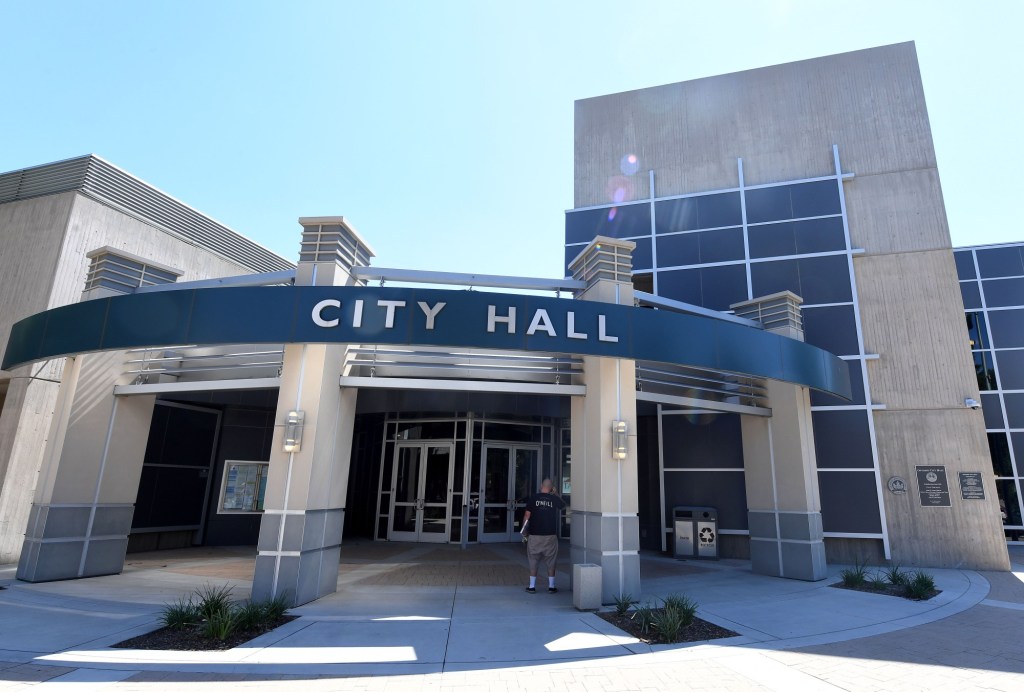
In just one month, residents of Ontario, California will head to the polls to vote on two significant measures aimed at reshaping the local hospitality industry. The March 24 special election will feature only two items on the ballot: Measure V and Measure W.
Measure V proposes to establish a local minimum wage for hospitality workers, which would start at $18 an hour. This wage is set to increase by $3 each year until it reaches $30 an hour by 2030. Additionally, from July 1, 2029, the wage will adjust based on the Consumer Price Index for Urban Wage Earners and Clerical Workers for the Los Angeles metropolitan area, a metric published by the Bureau of Labor Statistics. The measure also includes provisions to ensure that hotel cleaning staff are not required to clean more than 3,500 square feet of rooms in an eight-hour workday unless compensated at double the regular rate. Furthermore, workers will not be mandated to work more than 10 hours in a day without prior written consent.
Recognizing the potential dangers hospitality workers may face, Measure V mandates that employers provide personal security devices to each worker. These devices would allow employees to signal an on-site security guard for immediate assistance while working alone in guest rooms. However, the Ontario City Council argues against the measure, stating that previous security device ordinances have already been enacted and expressing concerns that the proposed wage increases could be “unsustainable” for locally-owned businesses.
Measure W, on the other hand, seeks to require voter approval for any major hotel and event center projects, which includes overturning the City Council's previous approval of a 600-room hotel linked to an expansion of the Ontario Convention Center. Proponents of Measure W argue that it is essential for transparency, accountability, and responsible growth. They assert that when public land and taxpayer dollars are involved, residents deserve clear information and a direct say in development decisions. Conversely, opponents warn that the measure could derail job-creating construction projects and reduce tax revenues, potentially leading to cuts in vital services like public safety, road maintenance, libraries, parks, and community events.
Both measures were initiated by the national labor union Unite Here. It's noteworthy that a similar wage increase initiative to Ontario's Measure V was voted down in Anaheim in 2023, reflecting the contentious nature of such labor-related propositions in California's diverse economic landscape.
As the special election date approaches, the city of Ontario has incurred a cost of approximately $1,255,000 for the election, as reported during the City Council's December 16 meeting. Mail-in ballots for this election began distribution on February 23, allowing voters to engage with these pivotal issues affecting their community.
In a related decision during their February 17 meeting, the Ontario City Council opted to cancel a previously scheduled June 2 local election, which would have included two ballot initiatives concerning Measure W, after Unite Here reportedly requested their withdrawal.
The upcoming election highlights a crucial moment for Ontario residents, as the decisions made will have lasting implications for the city's economic landscape, particularly within the hospitality sector. As voters weigh the potential benefits against the concerns expressed by business owners and city officials, the outcomes of these measures will undoubtedly shape the future of Ontario's workforce and development strategies.
You Won't Believe What Happens When Your Request Gets Denied—The Shocking Truth Inside!
This Shocking Energy Truth Could Change Everything—Are You Prepared for the Consequences?
You Won't Believe What This Celebrity Just Revealed - Legal Chaos Unfolds!

D-Day Exhibit Closes for Renovation: What Shocking Secrets Will You Miss? Act Fast!

Trump's Shocking Fed Chair Pick: Could Kevin Warsh's Leadership Cripple Wall Street?

PENN Entertainment Just Soared 20%—Is This the Perfect Time to Invest or Are You Already Too Late?
You might also like: