
Trump's Shocking Fed Chair Pick: Could Kevin Warsh's Leadership Cripple Wall Street?

For over 17 years, Wall Street has been predominantly bullish, with the Dow Jones Industrial Average (^DJI), S&P 500 (^GSPC), and Nasdaq Composite (^IXIC) generally trending upward since the financial crisis of 2008—aside from notable downturns during the COVID-19 pandemic in early 2020 and a bear market lasting nine months in 2022. However, seasoned investors know that corrections, bear markets, and crashes are inherent to the stock market cycle; it's not a question of if these declines will happen but rather when and why.
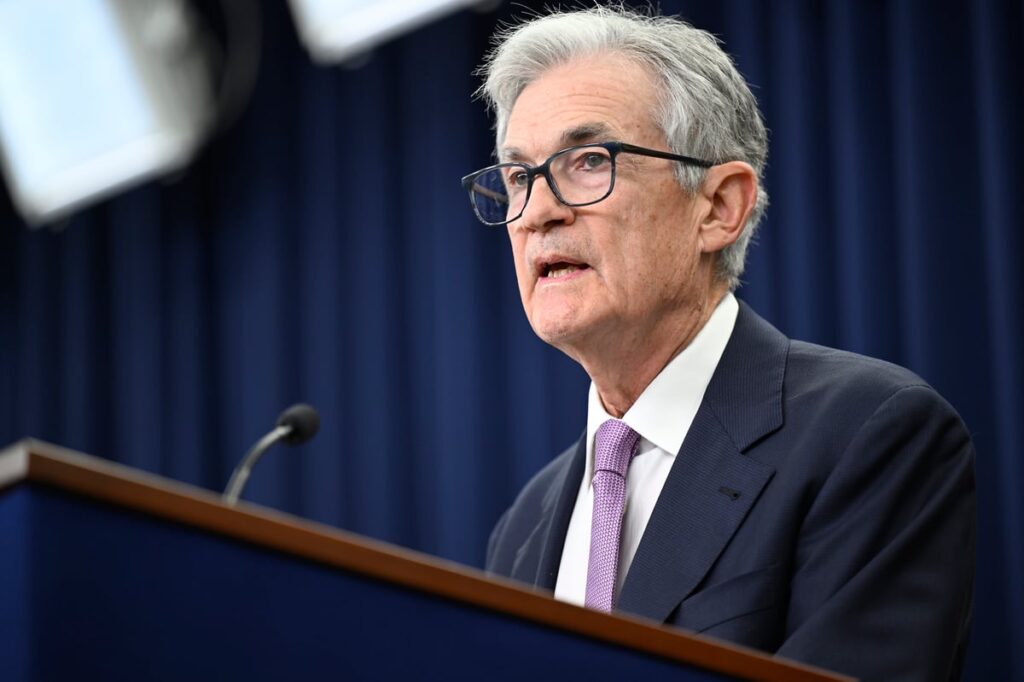
As of now, one significant factor that could destabilize this artificial intelligence-driven bull market is a shift in leadership at the Federal Reserve, the nation's primary financial institution. Currently, Jerome Powell is set to conclude his term as Fed chair on May 15, and there is increasing scrutiny on his expected successor, Kevin Warsh.
Warsh, nominated by President Donald Trump, served on the Board of Governors of the Federal Reserve from February 2006 to March 2011, during which he was a voting member of the Federal Open Market Committee (FOMC), responsible for setting monetary policy. If confirmed, he will become the 17th Fed chair since the institution's establishment in 1914. Though he brings valuable experience, his past criticisms of the Fed's policies could raise concerns among investors.
📰 Table of Contents
The $6.6 Trillion Dilemma
One of Warsh's principal challenges will be managing a bloated balance sheet that has ballooned from under $900 billion before the 2008 financial crisis to approximately $9 trillion by March 2022, predominantly composed of long-term Treasury bonds and mortgage-backed securities (MBS). While the Fed has since reduced this figure to about $6.6 trillion by mid-February 2026, Warsh has expressed a desire for an even more substantial reduction. His perspective is that the Fed should act as a passive entity rather than an active market participant, advocating for a significant deleveraging of its balance sheet during his potential tenure.
The crux of the issue lies in how to divest these assets without disrupting the stock market. If the Fed were to sell long-term Treasuries, it could lead to higher yields and interest rates, contrary to the wishes of a president who has been vocal about the need for lower rates. Additionally, sales of MBS could increase mortgage rates, potentially cooling off housing market activity—something investors are keen to avoid.
President Trump has emphasized the need for lower interest rates, yet Warsh's inclination to reduce the Fed's balance sheet could clash with this expectation, complicating his relationship with both the administration and the financial markets.
FOMC Dynamics and Warsh's Track Record
Warsh's previous voting history raises further concerns. His track record suggests a prioritization of inflation control over employment stabilization, one of the Fed's dual mandates. In past crises, including the Great Recession, he remained focused on inflation rates, even at times when unemployment was rising sharply. Market analysts are questioning whether his approach aligns with the broader objectives of the FOMC, especially true as the committee has struggled with unity in recent meetings.
Since Powell took the helm, the FOMC has experienced noticeable dissent among its members, with at least one member opposing or advocating for more aggressive rate changes in several recent meetings. This division can undermine the Fed’s credibility, a critical factor in maintaining investor confidence.
Warsh’s hardline stance might exacerbate existing divisions, meaning a potential lack of consensus within the FOMC could alarm investors who are sensitive to signs of internal conflict. If Warsh does not align with the prevailing views of other committee members, it could complicate the Fed's ability to act decisively in response to economic changes.
"If Trump wants someone easy on inflation, he got the wrong guy in Kevin Warsh."@AnnaEconomist
As the FOMC often relies on retrospective economic data, it can be slow to adjust its policies. While investors are typically tolerant of this lag, they tend to react negatively to a divided committee. The presence of dissent—especially when opinions diverge significantly—can impact market confidence, leading to volatility. Thus, the ramifications of Warsh’s leadership style could extend beyond the walls of the Fed, influencing investor sentiment and market stability in the months to come.
In summary, as the Fed anticipates potential shifts under Warsh’s leadership, market observers will be watching closely. His approach to monetary policy could either reinforce the existing bullish trends or signal a new era of economic uncertainty on Wall Street. Investors will need to stay informed as these developments unfold, especially given the complex interplay between monetary policy and market dynamics.
PENN Entertainment Just Soared 20%—Is This the Perfect Time to Invest or Are You Already Too Late?

Your Morning Coffee Could Skyrocket $2 Overnight! Discover the Shocking Impact of Climate Change Now!

Korean Startup Shocks Investors: BOS Semiconductors Scores a Whopping $60.2M! What’s Next for AI in Your Car?

Why Are Thousands of Kazakhs Rushing to This Train Hospital? The Shocking Truth Revealed!
Dr. Casey Means Has a Shocking Secret: Is She Really Ready to Challenge RFK for Surgeon General?
Nevada Lawmakers SHOCK the Nation: Candidates Can Use Your Donations to Buy GUNS—Find Out Why!
You might also like: