White House Insider Exposes Shocking Demand for Fed Researchers After Controversial Tariff Study!

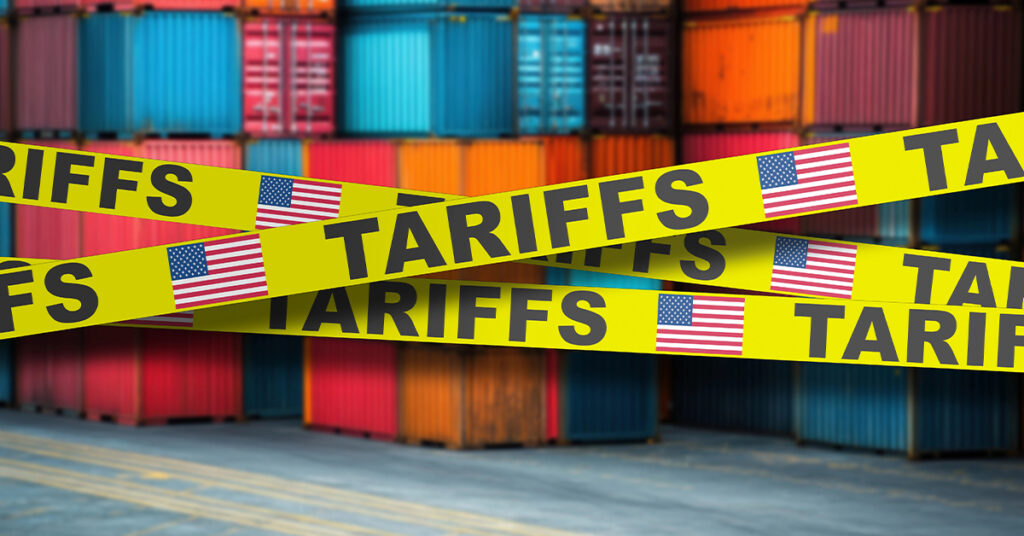
In a striking display of economic tension, Kevin Hassett, the Director of the White House National Economic Council, publicly criticized the Federal Reserve Bank of New York on Wednesday, calling a recent study on the costs of tariffs an “embarrassment.” This confrontation highlights a growing divide over the economic impact of the administration’s tariff policies, which have significant implications for inflation, domestic construction costs, and U.S. mortgage rates.
The contentious exchange centers on a February 12 report published on the New York Fed’s Liberty Street Economics blog. This report found that American businesses and consumers are shouldering nearly 90% of the financial burden from tariffs that were first implemented in April 2025. The study reported that the average U.S. import tariff rate soared from 2.6% to 13% over the course of that year, with the burden of tariffs remaining predominantly domestic—94% in the initial eight months, slightly decreasing to 86% by November as companies began to adjust their supply chains.
Hassett, who previously worked as a research economist for the Federal Reserve, dismissed the findings during an appearance on CNBC's “Squawk Box.” He characterized the New York Fed analysis as the “worst paper I’ve ever seen in the history of the Federal Reserve system,” arguing that it was overly partisan and incomplete. Hassett criticized the report for focusing solely on pricing while neglecting the upward influence on wages and benefits brought on by domestic production. He maintained that the tariffs ultimately benefited Americans, claiming an average increase in real wages of $1,400 last year and asserting that “prices have gone down.”
While the New York Federal Reserve declined to comment further on the matter, the clash between the White House and the Fed underscores the political volatility surrounding economic data and tariffs as the administration seeks to defend its trade agenda. Hassett remarked, “Consumers couldn’t have been made better off by the tariffs, if this New York Fed analysis was correct. It’s really just an embarrassment. I can’t imagine who signed off on it.”
This public feud is particularly notable given Hassett’s historical stance on trade. He has spent decades advocating for free-market principles and has previously warned that protectionist trade policies, such as tariffs, stifle economic growth. In a 2003 article for the American Enterprise Institute, he argued that “liberalized trade” is crucial for prosperity, stating that “full participation in the global economy” is essential for long-term economic growth. Similarly, in 2011, as Donald Trump hinted at a presidential run, Hassett criticized Trump’s proposals for a 25% tax on imports from China, likening it to the Smoot-Hawley Tariff Act of 1930, which contributed to the Great Depression.
In a 2018 interview with the Council on Foreign Relations, Hassett explicitly recognized the economic drag that trade barriers impose, observing, “If you put tariffs on things then you get less economic growth.” He even referred to tariffs as a form of taxation. This recent shift in his rhetoric raises questions about the administration's broader economic strategy, especially given the ongoing debates regarding inflation and consumer prices. According to the Bureau of Labor Statistics, the consumer price index data released last week indicates that while inflation has slowed, consumer prices remain elevated, with an unadjusted annual growth rate of 2.4% as of January.
The ongoing debate over tariffs is more than just an academic exercise; it has real implications for American consumers and businesses alike. As the administration continues to push for its trade agenda, the economic landscape remains uncertain, leaving many to wonder about the long-term effects of these policies on inflation, wages, and overall economic growth. The rift between the White House and the Federal Reserve signals that this issue will remain at the forefront of economic discussions in the months to come.
Illinois Lawmakers SHOCKED by Governor's Budget Address: What They’re Hiding Could Affect YOU!
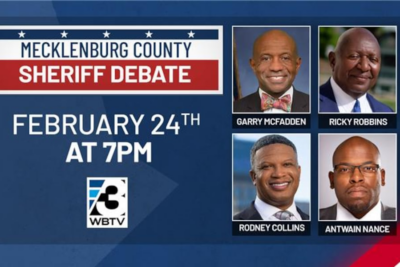
Is Your Vote at Risk? Shocking Details Emerge in WBTV's Live Sheriff Debate for 2026!

Moderna's Shocking FDA Win: Why This Vaccine Battle Could Change Everything for You!

White House and Democrats' SHOCKING $10 Billion ICE Standoff—What’s at Stake for YOU!

Harvard's Shocking Crypto Move: Is BlackRock About to Dominate Ethereum Staking ETFs?

$1M Boost for Wisconsin Startups: Are You Missing Out on This Game-Changer?
You might also like: