
Utah's Shocking Measles Outbreak: Why Experts Demand Infants Get Extra MMR Vaccine NOW!

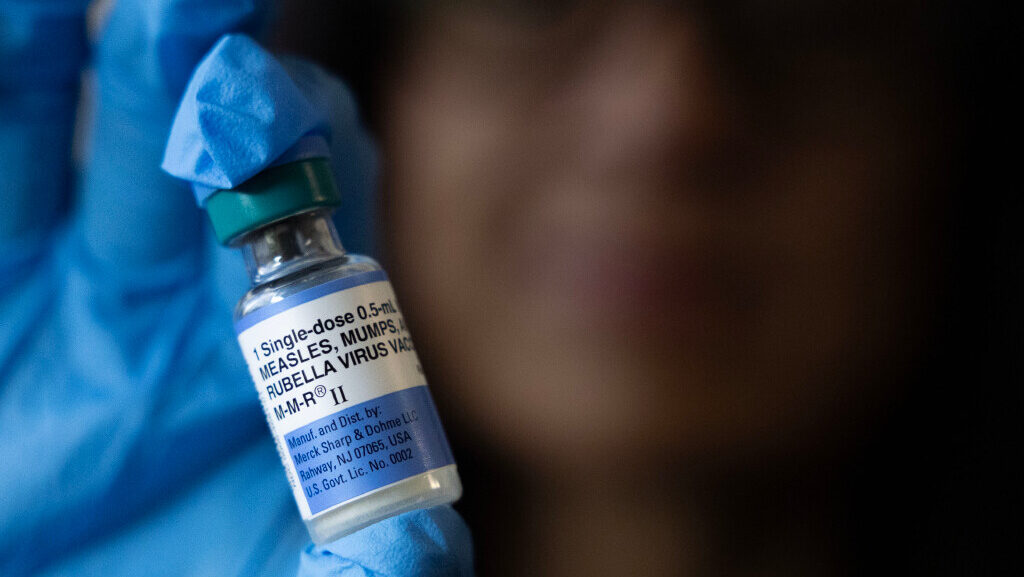
SALT LAKE CITY — In response to a significant measles outbreak, Utah health officials are advising parents to consider an early, additional dose of the measles, mumps, and rubella (MMR) vaccine for infants aged 6 to 12 months. This recommendation comes as more than 600 confirmed cases of measles have been reported across Utah since the outbreak began in 2025, with many individuals potentially endangering others by visiting medical facilities against health advisories.
The Utah Department of Health and Human Services has emphasized that this early dose does not replace the standard two doses of the MMR vaccine recommended for children over 12 months. Instead, it serves as a precautionary measure for infants who are at heightened risk due to the current outbreak.
Health officials are particularly concerned about the context in which the outbreak has unfolded. Many cases have originated from individuals visiting clinic waiting rooms while contagious, thereby exposing other patients to the virus. Measles, a highly contagious disease, can linger in enclosed spaces for up to two hours, making it essential for unvaccinated individuals to take precautionary steps.
However, the Utah health department specifies that in areas where measles is not actively spreading, the extra dose is not recommended for several reasons:
- The early dose is classified as “extra” and does not count towards the primary series required after 12 months.
- There are concerns regarding the efficacy of this early dose, as studies suggest that maternal antibodies could diminish the infant's immune response.
- Children receiving an early dose may experience a quicker decline in antibody levels later in life, potentially leading to less protection as adults.
Despite these concerns, the health department has noted that the risk of contracting measles in Utah is currently higher than normal. Consequently, they recommend that healthcare providers discuss the option of administering an early dose with parents of unvaccinated infants aged 6 to 11 months.
As the weather warms, public health experts anticipate that increased outdoor activity may reduce the risk of transmission, as the likelihood of encountering a contagious person decreases in open spaces. Nevertheless, vigilance remains crucial. With measles being one of the world’s most contagious viruses, understanding the dynamics of its spread is essential for public safety.
For parents and guardians, this outbreak serves as a reminder of the importance of vaccinations in safeguarding not just individual children but the broader community. As public health continues to evolve, staying informed and proactive about vaccines can significantly impact the health of families and communities alike.
What to Know About Measles
The measles virus can spread swiftly, highlighting the necessity for vaccinations. Health officials urge parents to consult with their healthcare providers to ensure that their children are adequately vaccinated, particularly during this outbreak. Understanding the implications of measles exposure and acting accordingly can help mitigate the spread of this preventable disease.
How Coach Jesse Newton Transformed a Struggling Women's Soccer Team into Champions Overnight!

BlackRock's Shocking $112M Bitcoin Withdrawal: What This Means for Your Investments!

Tech CEOs Are Panic-Stricken: Is AI About to Collapse Under Its Own Reputation? Discover the Shocking Truth!

OpenAI's Secret Smartphone: What YOU Need to Know Before It Launches—Shocking Features Inside!

GSK's Shocking Shingrix Strategy: How They Outsold Rivals Amid Vaccine Declines—Are You Missing Out?

Brooklyn Nets STUN Fans with Jaw-Dropping Social Media Revelations – You Won't Believe What They Just Said!
You might also like: