
OpenAI's Secret Smartphone: What YOU Need to Know Before It Launches—Shocking Features Inside!

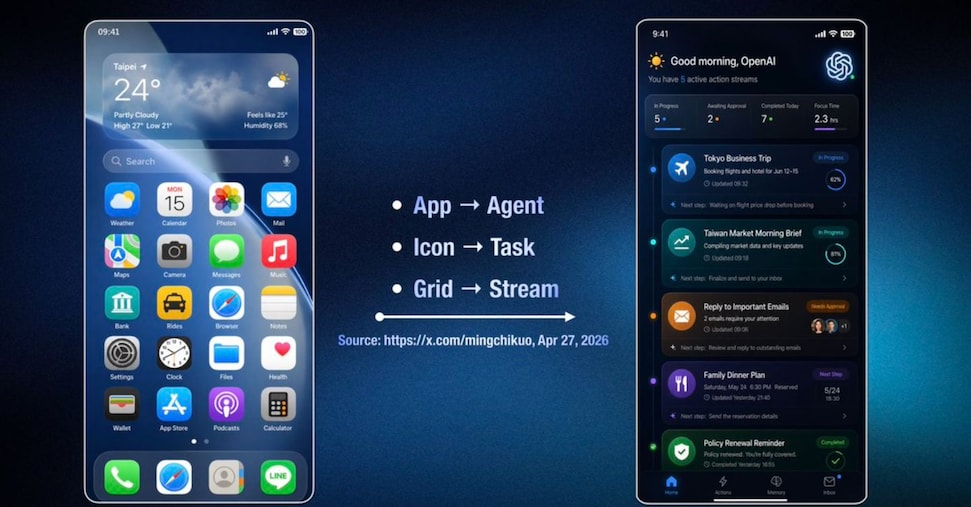
OpenAI is poised to make a significant impact in the smartphone market, according to analyst Ming-Chi Kuo. The tech giant, led by CEO Sam Altman, is reportedly developing a groundbreaking device that aims to transform the traditional smartphone experience. Rather than building a more powerful iteration of existing smartphones, OpenAI's focus is on creating a device that centers around a new user experience that relies heavily on artificial intelligence (AI).
Kuo shared insights on social media platform X, revealing that the innovative device will operate without the conventional app model. Instead, it will utilize AI agents capable of understanding a user's needs and context in real time. For instance, users could communicate with the device to search for nearby restaurants or make reservations, all through conversational interactions. This approach signifies a shift from smartphones as mere tools to devices that act as intelligent assistants.
As part of this ambitious project, OpenAI has partnered with MediaTek and Qualcomm to manufacture the necessary chips. The production will be handled exclusively by Luxshare Precision Industry, with mass production anticipated to begin around 2028. Kuo also provided a glimpse of what the device's interface might look like, suggesting an AI-processed activity feed that replaces the traditional grid of apps.
The technical foundation for this device is noteworthy. OpenAI's strategy involves a close integration of local data processing and cloud computing. Chips developed by MediaTek and Qualcomm will manage power consumption and memory while utilizing lighter AI models directly on the device. More complex operations would be offloaded to cloud-based infrastructures. This dual approach could set a new standard in the industry in the coming years.
OpenAI appears to be pursuing a comprehensive strategy by controlling the technological chain from hardware to operating system. This method allows for the development of a seamless AI agent that can adapt to and learn from user interactions. Given that smartphones are inherently mobile and rich in contextually relevant data, they remain the most suitable device for implementing such a transformative approach.
If realized, this vision of the future smartphone may redefine how we interact with technology. Users could find themselves engaging with their devices in a dialogue rather than simply tapping icons. While specific technical specifications and supplier details are still forthcoming, Kuo has indicated that these will be finalized by late 2026 or early 2027.
In summary, OpenAI's entry into the smartphone market could signal a monumental shift in how we perceive and use these devices. As AI technology continues to evolve, the potential for smartphones to transition from tools to intelligent companions is becoming increasingly plausible. For American consumers, this development promises a future where technology not only enhances daily tasks but also interacts in a more human-like manner.
GSK's Shocking Shingrix Strategy: How They Outsold Rivals Amid Vaccine Declines—Are You Missing Out?

Brooklyn Nets STUN Fans with Jaw-Dropping Social Media Revelations – You Won't Believe What They Just Said!

Is Your State Next? Shocking New Roe Bill Could Change Everything for Families Experiencing Loss!

Is This the Breakthrough Breast Cancer Vaccine That Could Save Millions? Shocking Mexican Patent Revealed!

Mississippi's Shocking New Health Program: Will Rural Lives Be Saved or Ruined? Discover the Truth!

$82M Raised! How Firestorm Labs Is Transforming Drone Factories—You Won't Believe What Happens Next!
You might also like: