
Unseen Threat: How Rabies Could Surge Across the VT-Canada Border—Are You Prepared?

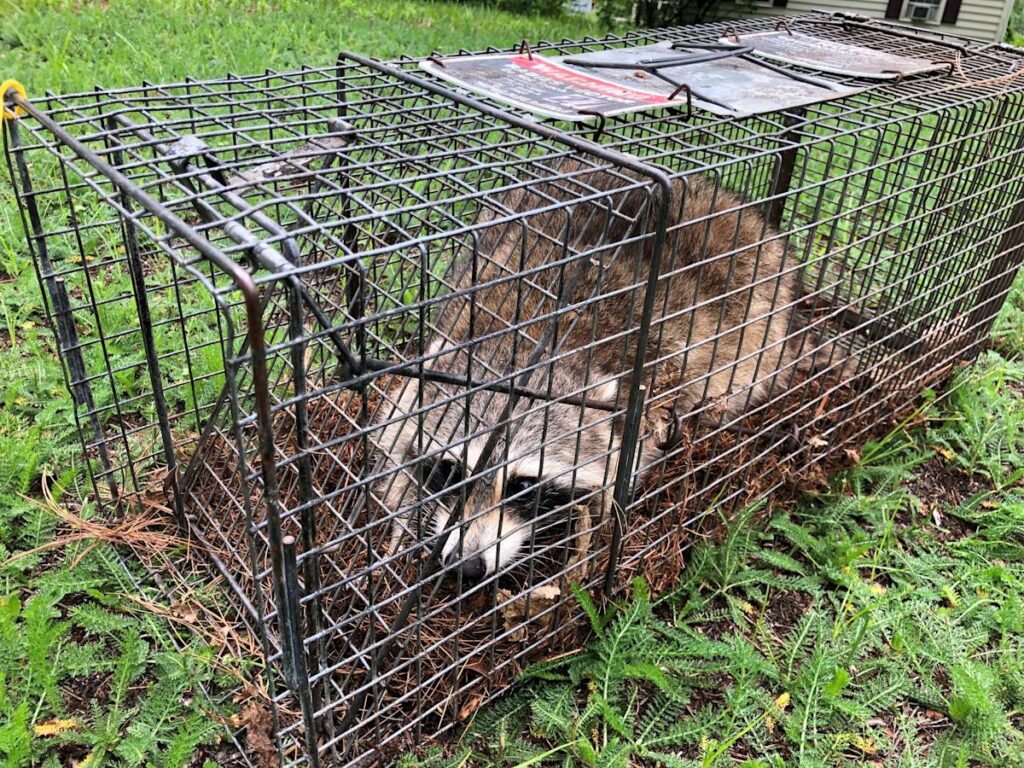
In an urgent response to rising rabies rates among wildlife, state and federal health workers have begun deploying small, vaccine-laced baits across the Burlington area. This initiative aims to combat a concerning increase in rabies cases, with nearly 1 million green, sweet-smelling, quarter-sized vaccine packets being distributed throughout Vermont.
From May 2, these packets will be delivered using various methods, including aerial drops by helicopter or plane in both suburban and rural regions. “You might see people out and about with buckets throwing the little baits where raccoons and skunks are most likely to pick them up,” said Natalie Kwit, the state public health veterinarian at the Vermont Department of Health.
The urgency of this initiative stems from a significant uptick in rabies cases reported across the state. In 2023 alone, 66 rabid animals were documented, with the number more than doubling the average from previous years. This increase has prompted the state and the U.S. Department of Agriculture to ramp up immunization efforts to twice a year, aiming to halt the spread of raccoon rabies virus variants, particularly those that cross the U.S.-Canada border.
Last year, Chittenden County reported eight rabies cases, with the virus found in populations of foxes, bats, raccoons, and skunks around Burlington. The numbers have fluctuated in recent years, with 15 cases documented in 2024, up from 20 in 2023. “Now,” said Kwit, “the highest rates are occurring in Orleans County along the northern border,” an area where the virus was previously uncommon.
This rise in rabies cases is perplexing to health officials. “We don’t exactly know why this is happening,” Kwit noted. Experts suspect various environmental and ecological factors may be contributing to this shift, highlighting the need for continued monitoring and preventive measures.
The bait packets, described as having a “waxy, yummy tasting coating” that smells like a sugar cookie, are designed to attract wild animals. Each packet contains a liquid vaccine that dispenses into the mouth of the animal upon contact. While these packets are safe for pets and humans, Kwit advises the public to avoid direct contact: “If you have to move them, try not to touch them with your bare hands.”
Rabies poses a severe risk, as the virus is fatal to both humans and warm-blooded animals, targeting the nervous system. The Centers for Disease Control and Prevention emphasizes that anyone potentially exposed should seek medical attention immediately.
This proactive approach to wildlife vaccination not only seeks to protect animal populations but also aims to safeguard public health. With rabies posing a significant threat, these efforts are crucial in curbing outbreaks and maintaining a healthy ecosystem in Vermont.
As this initiative unfolds, residents are encouraged to stay informed and report any potential sightings of rabid animals. By working together, the community can play a vital role in addressing this public health challenge.
Corey Arwood is a city reporter for the Burlington Free Press and can be reached via email at [email protected].
This article originally appeared in the Burlington Free Press: Vermont rabies vaccine operation starts in May, bait dropped from the sky.
D.C. Declares War on Health Care Fraud: Are Your AMA Billing Codes Next? Shocking Details Inside!

Is This the Year the Knicks Shock the NBA? Their Latest Blowout Win Holds a Hidden Secret You Won't Believe!

Titans on the Brink: What Joey Bosa Just Revealed Could Change Everything for the 49ers!
You Won't Believe What's Coming to Bellaire: A $10 Million Recreation Complex That Will Change Everything!

You Won't Believe What This Chennai Coach Reveals—6 Shocking Steps to Banish Bloating NOW!

Timberwolves vs Spurs: You Won't Believe the Shocking Final Score That Left Fans Speechless!
You might also like: