
This Startup Is Using Nuclear Waste to Power Space Travel—What You Need to Know NOW!

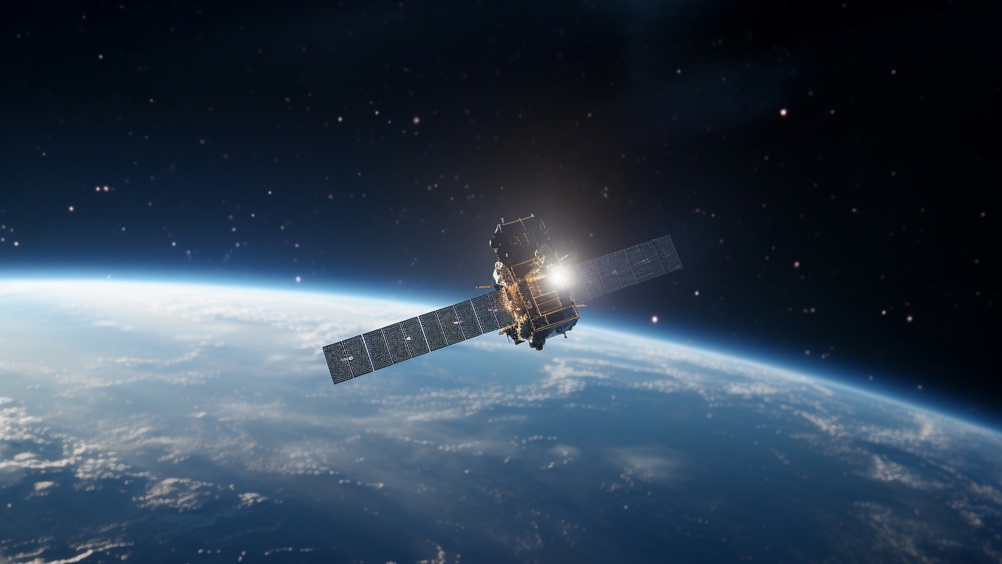
In the expansive realm of space exploration, the need for reliable power sources is paramount. This necessity drives innovation, as seen in the development of radioisotope thermoelectric generators (RTGs). These devices convert heat generated from radioactive decay into low-wattage electrical power, offering a sustainable energy solution for long-term missions beyond our planet.
Since their introduction in the mid-20th century, RTGs have powered numerous satellites and planetary rovers. A significant majority of these systems rely on plutonium-238 as their fuel source. However, a new player has emerged in the industry: Deep Space Energy, a company that is turning to americium-241, a type of nuclear waste produced by European power plants. According to Deep Space Energy, this alternative fuel is five times more efficient than traditional RTG systems, presenting a notable advancement for space missions where reducing weight is crucial.
“Our technology, which has already been validated in the laboratory, has several applications across the defence and space sectors,” said Mihails Ščepanskis, founder and CEO of Deep Space Energy. He emphasizes the importance of their innovations, particularly in enhancing the resilience of strategic satellites. The company is focused on developing an auxiliary energy source that provides backup power independent of solar energy—an essential feature for high-value military reconnaissance assets.
Deep Space Energy's recent fundraising efforts illustrate the growing interest in their technology. The company successfully raised €350,000 in a pre-seed round led by Outlast Fund and angel investor Linas Sargautis, a former co-founder of NanoAvionics. Additionally, they secured €580,000 through public contracts and grants from the European Space Agency (ESA), NATO DIANA, and the Latvian government.
Beyond enhancing satellite technology, Ščepanskis believes that americium-powered RTGs could significantly contribute to lunar operations. With the potential to support missions during the lunar night and in permanently shadowed regions, this technology could enable extended scouting and prospecting missions on the Moon. The company estimates that approximately 2 kilograms of americium-241 fuel could generate 50 watts of power for a lunar rover. By the mid-2030s, production capacity is projected to reach around 10 kilograms per year, marking a substantial opportunity to expand activities on the lunar surface.
“The availability of future services and the scale of industrial activity on the Moon are directly linked to the availability and price of energy,” Ščepanskis explained. He further noted that by quintupling the amount of electricity generated per kilogram of radioisotope, they can effectively reduce the cost per kilowatt-hour on the Moon. This reduction makes surface activities more accessible, potentially increasing the volume of operations and the demand for energy.
As space missions evolve and the push for lunar exploration intensifies, innovations like those from Deep Space Energy could reshape how we power our endeavors beyond Earth. The implications of this technology extend not only to scientific exploration but also to the burgeoning commercial opportunities that await on the Moon. With efficient energy solutions, the future of lunar and deep-space missions appears promising, paving the way for more ambitious projects in our quest to explore the final frontier.
Is the ‘Sell America’ Trade Doomed? ING Reveals Shocking Damage to the Dollar!
Putin's Shocking Move: 66 Million Russians Face Social Media Blackout—What Comes Next?

You Won't Believe Why This 37-Year-Old European's Liver Is Healthier Than an Indian Teetotaler’s!

Winter Olympics at Risk? Shocking Climate Data Reveals Potential for Last Games Ever!

Could Bennet’s Shocking Plan Change Colorado’s Future? Discover the Hidden Truth About Affordability!

Dana White's Shocking White House Update: Could This Change UFC Forever? You Won't Believe What He Revealed!
You might also like: