
Staffordshire's Shocking Fires: Is This the Start of a Climate Catastrophe We Can't Ignore?

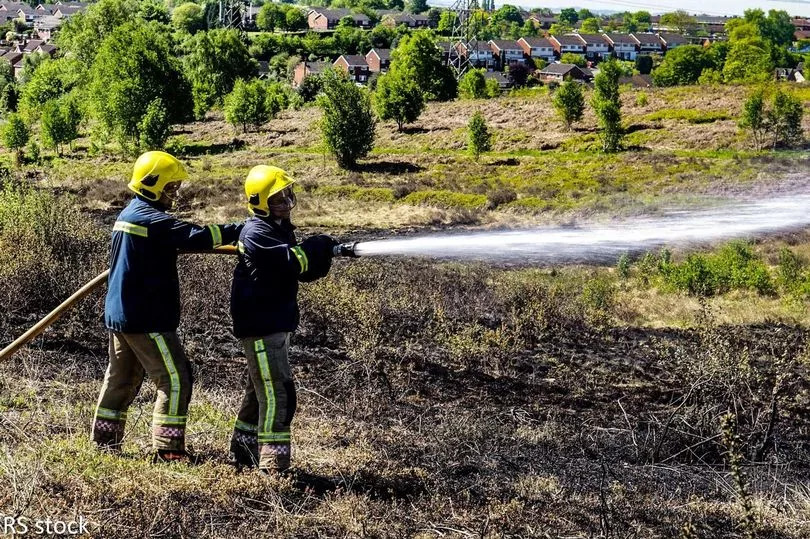
Firefighters in Staffordshire have faced an unprecedented surge in operational demand this year, responding to 5,409 calls between April and September 2024—a notable increase from 4,436 calls during the same period in 2023. This rise is largely attributed to a hot, dry summer, leading to a staggering 68.1 percent increase in secondary fires, which primarily include grass and refuse fires that do not typically require a major emergency response.
According to Chief Fire Officer Rob Barber, the number of secondary fires surged to 1,794, significantly up from 1,067 the previous year. In terms of primary fires, which are typically more serious, there was a more modest increase from 673 to 728. Additionally, road traffic incidents involving firefighters also rose by 19 percent, from 364 to 433.
During a public performance meeting, Staffordshire Commissioner Ben Adams queried senior officers about the service's activity. Barber emphasized the direct link between the rising number of incidents and the record temperatures experienced this year. "This year we've seen an increase across all of our incident types. This is closely related to the hot, dry year that we've experienced. The dry weather started back in February and continued all the way through until October," he noted.
The change has severely impacted the fire service's operations. While firefighters managed to arrive at 79 percent of incidents within the standard time limits, this was slightly below the target of 80 percent. The peak demand occurred in August, when fire crews responded to over 1,000 incidents, and average response times increased to 11 minutes and 32 seconds, compared to nine minutes and 55 seconds in August 2023.
The financial implications of this surge in calls have also been significant, with a projected overspend of £400,000 on pay. Despite this, the overall budget remains on target. Chief Finance Officer David Greensmith explained that the overspend stems from the increased operational demands experienced in the first half of the year. However, there is a silver lining, as activity levels began to drop back to normal by September, coinciding with a shift to more unsettled weather.
Barber stated that climate change is proving to be a year-round concern for the fire service, not just in terms of wildfires in the summer but also for increased demand for flood rescues in the winter months. "This is a clear sign of climate change. It used to be that we'd have a hot, dry summer once in 10 or 15 years; it seems to be every few years now," he noted, underlining the ongoing challenges that climate change poses for emergency services.
In response to the escalating incidents, the Staffordshire Fire and Rescue Service has implemented various prevention strategies, including community engagement and patrols in hotspot areas. Despite these efforts, the extreme weather conditions have continued to fuel the number of secondary fires.
As the climate continues to change, the demands on fire services are likely to evolve, highlighting the need for appropriate funding and resources to tackle these growing challenges. The ongoing dialogue within the community and among emergency services is crucial for developing effective strategies to mitigate the impact of climate change on public safety.
Get daily headlines and breaking news emailed to you - it’s FREE
Unlock Your Best Body: 13 Shocking Fitness Goals Experts Say You MUST Set for 2026!

19 Constituencies in Chaos: Who Will Survive the Shocking Election Run-off? You Won't Believe the Outcomes!

You Won’t Believe What Clarksville’s Hidden Gems Are Offering This Weekend—Don’t Miss Out!

These 2 Dividend Stocks Could Hand You a 12% Return—Don't Miss Out!

Is Antisemitism Driving a Real Estate Boom in Israel? Discover Shocking Numbers Now!

You Won't Believe How Jokic's "Good Game" Shattered NBA Records—Find Out the Shocking Stats!
You might also like: