19 Constituencies in Chaos: Who Will Survive the Shocking Election Run-off? You Won't Believe the Outcomes!

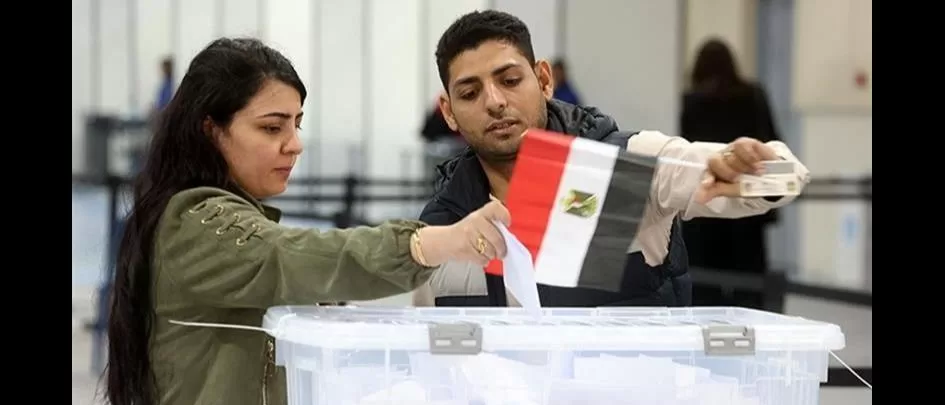
Polling stations across Egypt opened at 9:00 AM on Saturday, initiating the first day of voter turnout for the runoff elections in 19 electoral districts spanning seven governorates. This runoff is a crucial phase in the parliamentary elections, as it features a competitive race among 70 candidates vying for 35 individual seats in the parliament. With a total of 1,694 polling stations set up, the electoral process is under the supervision of judicial bodies’ consultants and is expected to continue for two consecutive days. Monitoring will be provided by various civil society organizations, local entities, and international media outlets.
The State Lawsuit Authority and the Administrative Prosecution Authority are overseeing the operation of the polling stations, where officials conducted early morning inspections to ensure that all election supplies were adequately prepared. This included verifying the availability of documents, records, procedural minutes, and voter lists. Officials also took the step of opening ballot boxes to ensure they were completely empty prior to sealing them with special plastic security locks.
To maintain a safe environment for voters, police forces are stationed around the polling sites. The National Election Authority has implemented multiple measures aimed at facilitating voting, particularly for elderly citizens and individuals with disabilities. Most polling stations have been strategically located on ground floors, and centers are equipped with signage featuring QR codes that voters can scan with their mobile devices for more information regarding voting rules and procedures.
Additionally, the National Election Authority has provided informational materials to enhance the voting experience, including a ballot card in sign language to assist those with hearing impairments. For voters with visual impairments, a Braille ballot card is available, along with election guidelines to help ensure that they cast their votes correctly. Each ballot card also includes a note indicating the number of seats to be selected in each district, which is vital for preventing invalid votes.
This runoff follows a decision made by the National Election Authority on November 18 to annul elections for individual seats in 19 electoral districts across seven governorates, which are part of the 14 governorates included in the first phase of the parliamentary elections. This decision mandated a re-run of the elections, starting from the last correct procedure, which was the electoral campaign. The first round of voting abroad took place on December 1 and 2, while voting within Egypt occurred on December 3 and 4.
The current electoral landscape underscores the importance of these parliamentary elections in a country where democratic engagement remains a pivotal issue. As voters head to the polls, their participation not only reflects their individual political preferences but also serves as an indicator of the broader democratic aspirations in the region. The presence of monitoring bodies and the measures taken by the National Election Authority signal an ongoing commitment to ensuring a transparent electoral process.
As this runoff unfolds, the implications for Egyptian society and politics are significant. The outcomes will not only shape the future of the parliament but will also resonate with the public's trust in the electoral system and the potential for political reform. The eyes of both local and international observers are on these elections, which could set the tone for future civic engagement and governance in Egypt.
You Won’t Believe What Clarksville’s Hidden Gems Are Offering This Weekend—Don’t Miss Out!

These 2 Dividend Stocks Could Hand You a 12% Return—Don't Miss Out!

Is Antisemitism Driving a Real Estate Boom in Israel? Discover Shocking Numbers Now!

You Won't Believe How Jokic's "Good Game" Shattered NBA Records—Find Out the Shocking Stats!

Warriors on the Brink: Shocking Trade That Could Land 10-Time All-Star Center—Is This the End for Their Dynasty?

You Won't Believe What Saudi Arabia's Qiddiya City Will Offer—Prepare for Jaw-Dropping Escapes!
You might also like: