
Smartphone Giants Betray High-End Cameras: The Shocking Reason Behind DRAM Crisis You Must Know!

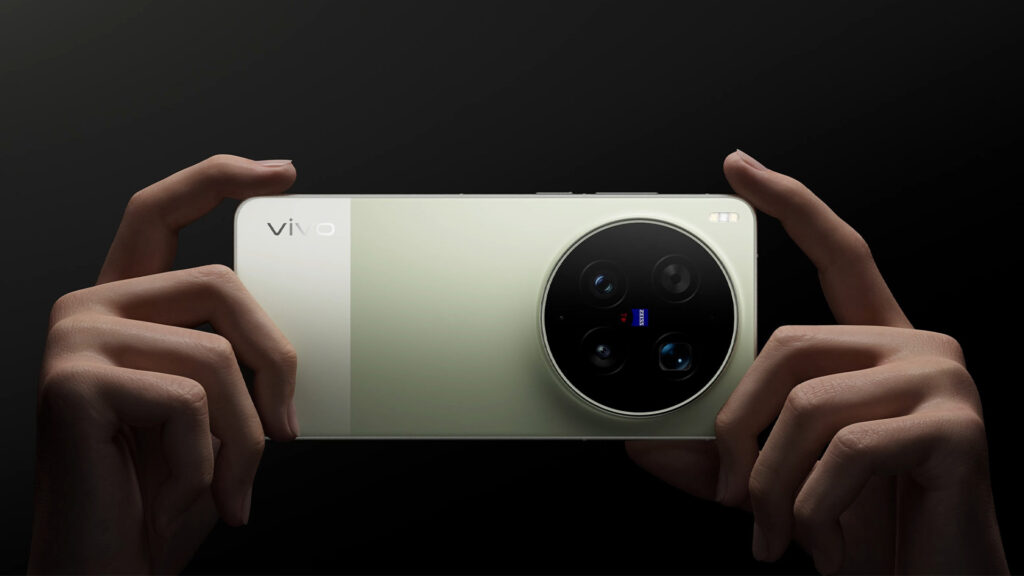
The landscape of the Android smartphone market is becoming increasingly challenging for manufacturers, with a multitude of brands vying for consumer attention. To stand out, companies are pouring millions into innovative features and elaborate marketing strategies. Yet, despite these investments, the profit margins often leave much to be desired. Compounding the issue is the ongoing DRAM shortage, which has forced manufacturers to raise prices, thereby dampening consumer interest in their devices.
However, recent insights from a tipster suggest a potential shift in strategy among smartphone makers. As demand for high-end camera sensors appears to be declining, manufacturers are reconsidering their production priorities. The tip-off indicates that companies are increasingly opting for less expensive camera components, which, while not top-of-the-line, can still deliver satisfactory image quality. This pivot allows manufacturers to redirect resources to improve algorithms, enhancing the performance of non-flagship sensors to rival that of their more expensive counterparts.
Shifting Focus: Enhanced Algorithms Over Premium Sensors
High-end sensors usually boast superior specifications, like larger pixel sizes that enhance low-light performance and video capture. Yet, as the DRAM crisis continues, costs associated with these premium components have also escalated. The situation is exacerbated by rising prices for NAND flash memory, pushing companies like Samsung and Google to reconsider their approach. According to a Weibo tipster, Digital Chat Station, the combination of LPDDR6 RAM and UFS 5.0 storage is significantly more costly than a single Snapdragon 8 Elite Gen 6 Pro unit, which is projected to exceed $300. Sacrificing high-tier camera sensors for more affordable options thus seems like a prudent decision for many manufacturers.
In light of this, companies are reportedly hiring talented engineers to focus on algorithm improvements, particularly in areas like telephoto and low-light photography. Such advancements could bridge the gap in imaging capabilities between non-flagship and flagship smartphone models. Historically, leading manufacturers have relied on the same camera sensors across their flagship lines, placing greater emphasis on software enhancements to deliver exceptional photography experiences.
This strategic pivot appears to be a necessary response to the skyrocketing costs associated with memory and storage, with no end in sight for the current supply chain issues. By investing in algorithmic tweaks, manufacturers can significantly enhance the functionality of less expensive sensors, improving the smartphone experience while lowering manufacturing costs.
As the industry continues to evolve, it will be interesting to see how this shift affects consumer preferences and purchasing decisions. Will buyers be willing to compromise on camera quality for lower prices, or will high-end features remain a primary driver of sales? Only time will tell, but for now, smartphone manufacturers are adjusting their strategies to navigate the turbulent waters of an increasingly competitive market.
Florida Teens Charged for Wild Target Stunts: You Won't Believe What They Did!

Shocking Revelation: Trump and Top Officials Targeted by Gunman—What Comes Next? Live Updates!

Getty Realty's Shocking Vote: What This Means for Stockholders and CEO Growth Plans!

Ravens' 2026 Draft Picks: Are These Shocking Moves About to Change NFL Forever?

Texas Governor's Shocking Ultimatum: Will Austin, Dallas, and Houston Lose $50 Million in World Cup Funds?

You Won't Believe How the JETOUR T Series Turns Off-Roading into a Thrilling Hybrid Adventure!
You might also like: