
Texas Governor's Shocking Ultimatum: Will Austin, Dallas, and Houston Lose $50 Million in World Cup Funds?

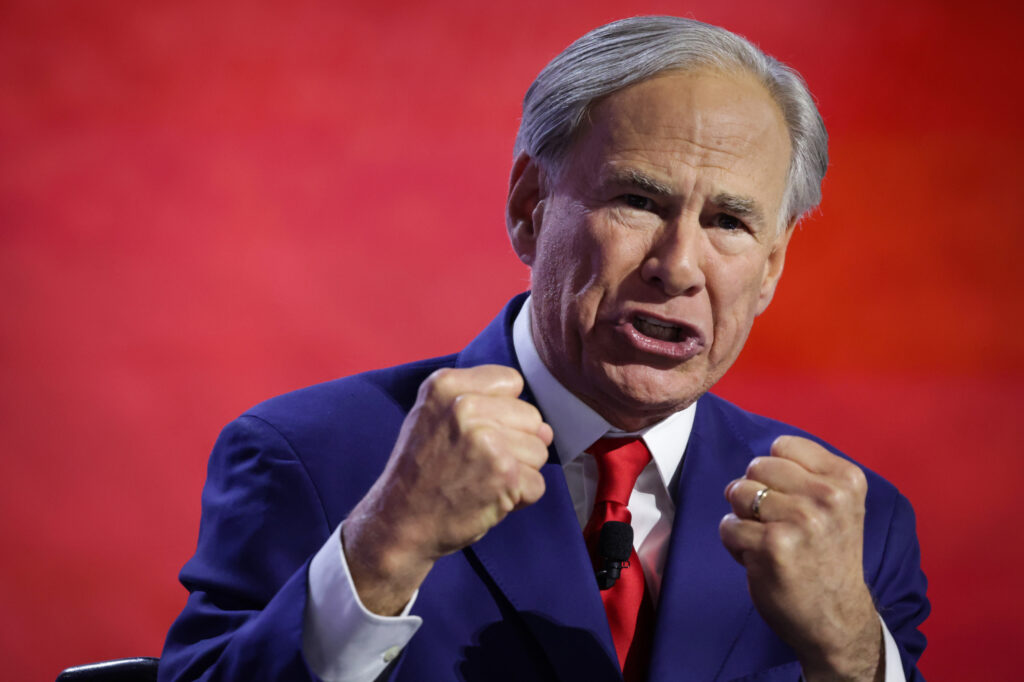
The upcoming 2026 FIFA World Cup is set to be a monumental event, with matches played across the United States, Mexico, and Canada starting June 11. However, in Texas, preparations for this global sports event have ignited a new front in the ongoing national debate about immigration enforcement. Texas Governor Greg Abbott’s office has issued a warning to major cities regarding their local immigration policies, tying public safety funding to compliance with state immigration laws.
Governor Abbott's administration threatened to pull or withhold approximately $200 million in public safety grants from Houston, Dallas, and Austin unless these cities altered policies deemed to limit cooperation with U.S. Immigration and Customs Enforcement (ICE). This funding includes crucial resources for public safety in light of the World Cup, particularly for Dallas and Houston, both of which are official host cities.
In a swift response, the Houston City Council, by a vote of 13-4, decided to amend an ordinance that had previously restricted police from detaining individuals based solely on ICE administrative warrants. The amendment was aimed at safeguarding $114 million in state funding while still respecting protections against unreasonable detentions. Originally, the Houston ordinance had eliminated a requirement for police to wait up to 30 minutes for ICE agents to arrive for those named in civil immigration warrants. The recent changes have effectively removed language that explicitly barred such practices and characterized ICE administrative warrants as unverified by a judge.
The adjustments to Houston's policy were seen by Abbott's office as "a step in the right direction." Texas Attorney General Ken Paxton had previously filed a lawsuit against Houston officials for allegedly violating Senate Bill 4, which prohibits local governments from instituting measures that “materially limit” immigration enforcement.
Following Houston’s lead, Dallas also altered its police practices after facing threats of losing over $32 million in public safety grants and more than $55 million related to World Cup preparations. The newly revised Dallas policy permits officers to inquire about immigration status when a person is lawfully detained or arrested, share that information with federal authorities, and assist ICE agents when deemed “reasonable or necessary.”
Dallas Police Chief Daniel Comeaux clarified that while the department's mission remains unchanged, it is committed to complying with state law. "Our officers will follow the law, and our updated policy will affirm that we will cooperate with federal authorities when required," he stated. "DPD exists to protect the safety of everyone in Dallas, and we will not stop individuals only to determine their immigration status."
This pressure to change local policies has not gone unnoticed by civil rights advocates. Critics argue that Abbott's tactics represent an overreach and intimidation. "Houston City Council caved to the governor's threats and intimidation," said Caro Rivera Nelson, an attorney with the ACLU of Texas, in a statement to Reuters. "The effective repeal of Proposition A is a stain on our state."
In response to the backlash, Abbott’s office asserted that Texas cities are expected to comply fully with state law and cooperate with federal immigration authorities. "Governor Abbott has been clear: cities in Texas must fully comply with state law and cooperate with federal immigration authorities to keep dangerous criminals off our streets," stated Andrew Mahaleris, a spokesperson for the governor.
The intersection of sports, local governance, and immigration policy is nuanced and fraught with tension. As Texas cities grapple with funding concerns tied to their immigration enforcement policies, the implications extend beyond public safety and local governance, touching on broader questions about human rights and community relations. With the World Cup on the horizon, the stakes are incredibly high, and the conversations surrounding these issues are only just beginning.
You Won't Believe How the JETOUR T Series Turns Off-Roading into a Thrilling Hybrid Adventure!

This One Strength Training Secret After Menopause Could Add Years to Your Life—Don’t Miss Out!

Four Boston College Stars Shockingly Drafted: Who Will Change the NFL Forever? You Won't Believe #3!

Why Are Investors Divided? Shocking Truth Behind Startups' Tokenmaxxing Craze Revealed!

You Won’t Believe What I Saw on Stage with the President Last Night—The Shocking Truth Revealed!

Dallas Cowboys' SHOCKING Salary Cap Secrets EXPOSED After 2026 NFL Draft - Will They Keep Dak?
You might also like: