
Shocking Vaccine Deal: Interim Govt Ignored UNICEF Warnings—What They’re Not Telling You!

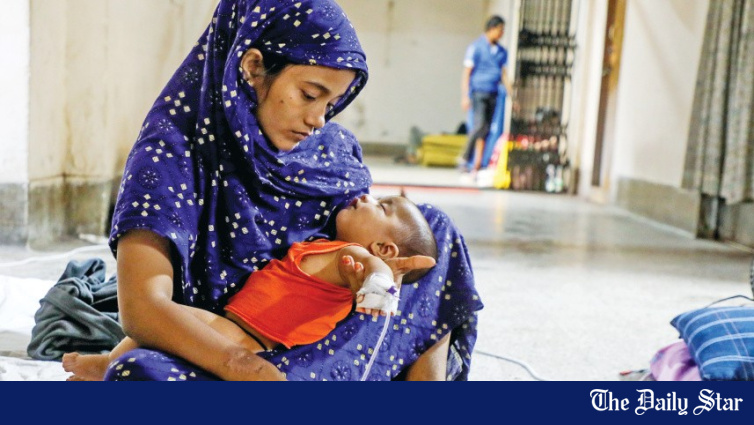
Bangladesh is facing a devastating measles epidemic, with over 32,000 suspected infections and more than 250 deaths, primarily among children, reported since mid-March. The epidemic has overwhelmed hospitals nationwide, leading to chaotic scenes, particularly at Dhaka’s Infectious Disease Hospital, where children struggle to breathe and some are treated on the floor due to a critical shortage of beds, as reported by Science.org.
Measles, once on the verge of eradication, is making a troubling comeback globally. Countries like Canada and several in Europe have lost their "measles-free" status, and the United States recorded over 1,700 cases this year—up significantly from around 100 cases in the early 2000s. Ongoing outbreaks continue to emerge in the Middle East and Africa as well, fueled by growing vaccine hesitancy, interruptions in immunization during the COVID-19 pandemic, and conflicts such as wars.
In Bangladesh, the current outbreak can be traced back to a breakdown in vaccine procurement processes following the 2024 revolution, which resulted in the fall of the Sheikh Hasina-led government. Subsequently, a nationwide vaccine shortage ensued, and immunization rates began to decline. High levels of child malnutrition and a fragile healthcare system have exacerbated the situation, significantly contributing to the rising death toll. Experts emphasize that this epidemic illustrates how swiftly progress in public health can be undone.
The nation typically administers two doses of the measles-rubella (MR) vaccine to children at 9 and 15 months of age, with nationwide campaigns every four years aimed at achieving 95% coverage. These vaccines are provided by UNICEF, primarily funded by Gavi, with additional support from the government.
However, in September 2025, the interim government, led by Prof. Muhammad Yunus, ceased vaccine procurement through UNICEF and transitioned to an open tender system. UNICEF strongly opposed this shift, warning that it could disrupt the immunization infrastructure and trigger a widespread outbreak. “It was very frustrating,” said Rana Flowers, UNICEF Representative to Bangladesh. “For God’s sake … don’t do this.” Despite the urgency, the government's health adviser, Nurjahan Begum, did not respond to inquiries.
The tender process was riddled with bureaucratic delays, leading to depleted vaccine supplies and stalled routine immunization efforts. A supplemental MR campaign, originally scheduled for 2024, was postponed to 2025 due to civil unrest and ultimately cancelled. By late March, government data indicated that only 59% of eligible children received measles vaccinations in 2025, figures that were later removed from the government website.
The outbreak began in January within Rohingya refugee camps near the Myanmar border and quickly spread across the nation, affecting 58 of Bangladesh’s 64 districts and resulting in over 21,000 hospitalizations. In an update on April 23, the World Health Organization warned of a significant risk of the outbreak spreading to Myanmar and India, where immunization efforts are similarly disrupted by civil strife. The WHO characterized this outbreak as a significant setback in Bangladesh's prior progress towards eliminating measles.
Malnutrition is worsening the impact of measles in Bangladesh, with 28% of children under five being stunted and widespread vitamin A deficiency further compromising immunity. ASM Alamgir, a former principal scientist at the Institute of Epidemiology, Disease Control and Research (IEDCR), noted that three biannual vitamin A distribution campaigns have been missed since 2024. “Beyond immunization gaps, Bangladesh’s measles crisis reflects deep structural weaknesses,” stated Mohammad Mushtuq Husain, an adviser at IEDCR.
In April, the new government reinstated vaccine procurement through UNICEF and collaborated with WHO and Gavi to secure necessary supplies, according to Ziauddin Hyder, special assistant on health affairs to Prime Minister Tarique Rahman. Emergency vaccination efforts began on April 5 for children aged 6 months to 5 years in high-risk areas, followed by a nationwide rollout on April 20. Plans to resume vitamin A distribution have also been made.
However, experts warn that given the rapid spread of measles, the emergency vaccination campaign may not be sufficient to quickly curb the epidemic. Former Director of Disease Control at the Directorate General of Health Services, Be-nazir Ahmed, expressed concern that the situation remains dire.
Prime Minister Tarique has criticized both the previous Hasina administration and the interim government for their roles in the crisis. Sheikh Hasina, now in exile and sentenced to death in absentia, claimed that her government prioritized vaccinations and pointed out that no major measles outbreaks occurred during her tenure. However, many experts attribute the current crisis to the interim government’s decisions, which are now under legal scrutiny.
On April 12, lawyer Biplob Kumar Das filed a complaint with the Anti-Corruption Commission, alleging corruption and failures in vaccine procurement under the interim government. Prof. Sayedur Rahman, former Vice Chancellor of Bangladesh Medical University and a key health adviser to the interim government, stated that the previous procurement system, based on an emergency clause, needed revision to ensure transparency.
Despite the bureaucratic challenges, there is a growing urgency to address this public health crisis, as the loss of children to a fully preventable disease like measles is heart-wrenching. The evolving situation serves as a stark reminder of the fragility of public health systems and the critical importance of maintaining robust vaccination programs.
Uncover the Top 5 Latin American Destinations You MUST Visit in 2026—Before They’re Overrun!

Missouri's Shocking Move: Governor Gains Control Over High School Sports – What This Means for Your Child!
Hiroshima Governor's Shocking Call: Can the World Really Abolish Nuclear Arms Before It's Too Late?

This New DNA Vaccine Could Change the Game for Prostate Cancer — Are You at Risk?
Geely's Bold Move: Can Ford's Tech Secrets Save Them from a Market Shock? Discover Now!
Is Your Hay Fever About to Get Even Worse? Discover the Shocking Truth Behind the Climate Crisis!
You might also like: