
N.J. Just Pledged $11M for Climate Solutions—Will This Radical Move Save Us by 2026?

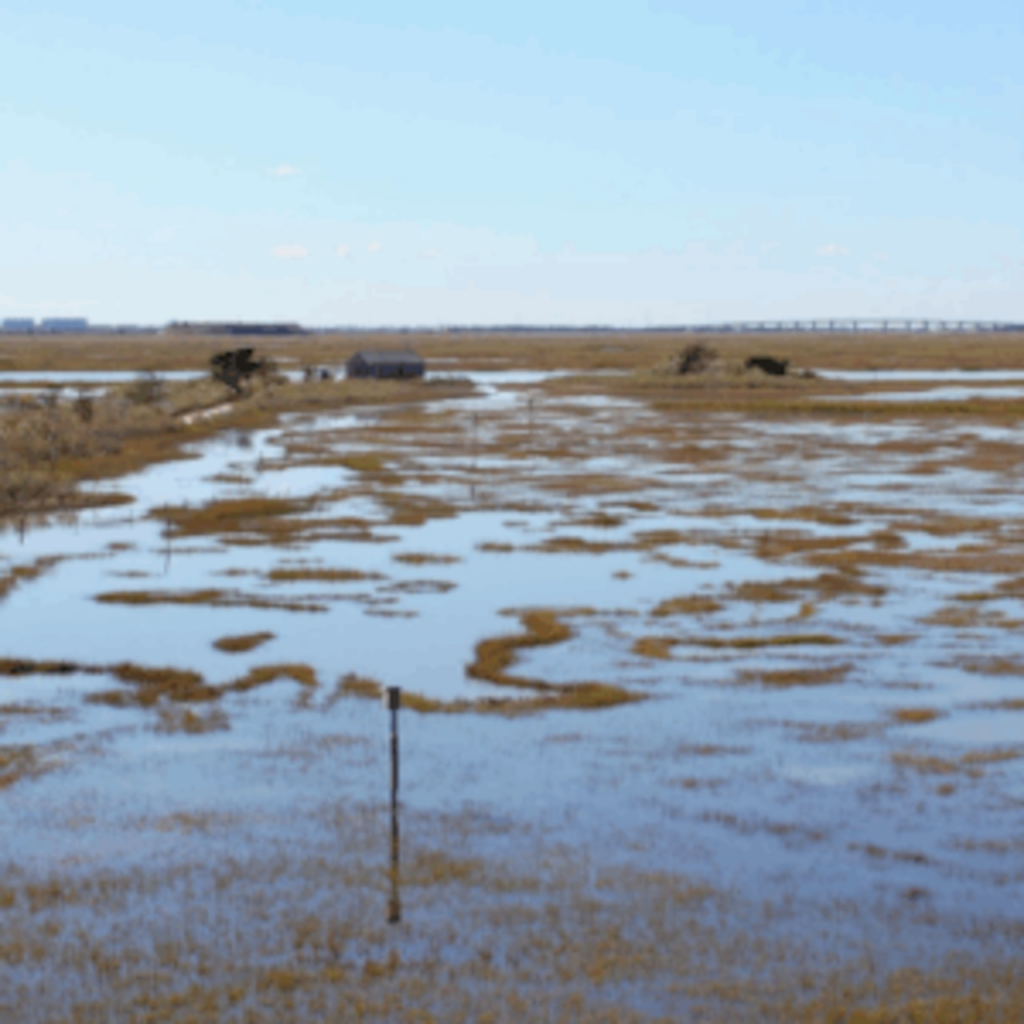
New Jersey is committing $11 million to nature-based projects designed to combat climate change by removing carbon from the atmosphere. This funding will support initiatives in Stone Harbor, Stafford Township, and Montclair, as announced by the New Jersey Department of Environmental Protection.
Among the projects, The Wetlands Institute in Stone Harbor will receive nearly $2.75 million to restore tidal wetland vegetation on Scotch Bonnet Island, adjacent to the Cape May Coastal Wetlands Wildlife Management Area. The restoration effort aims to enhance 4.8 acres of tidal wetland that has been degraded by rising sea levels, utilizing 13,000 cubic yards of dredged sediment.
“By restoring drowning marsh habitat and elevating the Salt Marsh Trail, we address the impacts of sea-level rise, demonstrating nature-based solutions for coastal resilience,”
stated Lenore Tedesco, executive director of The Wetlands Institute. This project underscores the critical role wetland restoration plays in maintaining coastal ecosystems and counteracting the adverse effects of climate change.
Stafford Township is set to receive $5 million to restore 23 acres of tidal salt marsh at Popular Point. Historically, this marsh has provided essential coastal protection, wildlife habitat, wave attenuation, and water filtration for areas like Beach Haven West and surrounding infrastructure. Such restoration efforts are not just beneficial for the environment; they also serve practical purposes for local communities.
Montclair State University has been awarded over $3 million to plant 910 trees that will replace dead or diseased trees across its campus. University officials emphasize that these new trees will help sequester carbon, filter air and water pollutants, and mitigate the urban heat island effect while also providing flood protection. As urban areas grapple with increasing temperatures and pollution, projects like these are critical for enhancing urban ecology and sustainability.
Furthermore, approximately $19 million remains available in the second round of funding for similar projects, with application materials accessible via the DEP website. This funding initiative supports two types of carbon sequestration projects: blue carbon through coastal ecosystem restoration and green carbon through forest and urban tree canopy enhancement.
The Natural Climate Solutions grant program aligns with New Jersey’s ambitious goal of reducing greenhouse gas emissions by 80 percent below 2006 levels by the year 2050. As climate change continues to pose significant threats to both local and global ecosystems, New Jersey's investment in nature-based solutions reflects a growing recognition of the importance of restoring natural habitats for climate resilience.
These projects not only contribute to environmental sustainability but also foster community engagement and awareness about the pressing challenges associated with climate change. With the ongoing support for such initiatives, New Jersey positions itself as a leader in the fight against climate change, leveraging nature's own mechanisms to address a crisis that affects us all.
You Won't Believe What Happened When Two Campers Rescued Me at the World's End!

Social Media Is Stealing Your Joy: 7 Shocking Ways It Kills Your Hobbies!

Could the 2026 California Governor Race Change Everything? Shocking Candidates You Won’t Believe!

14 Startups at Disrupt Battlefield That Could Make You Rich—#3 Will Shock You!

Unlock Your Phone's Hidden Potential: 10 Android Apps You MUST Download NOW or Regret It Forever!

Are You Missing Out? Discover the Shocking 75% Rise in Healthy Snack Sales Fueled by MAHA!
You might also like: