
Kansas Governor's SHOCKING Decision: Five Bills Vetoed—What This Means for Your Future!

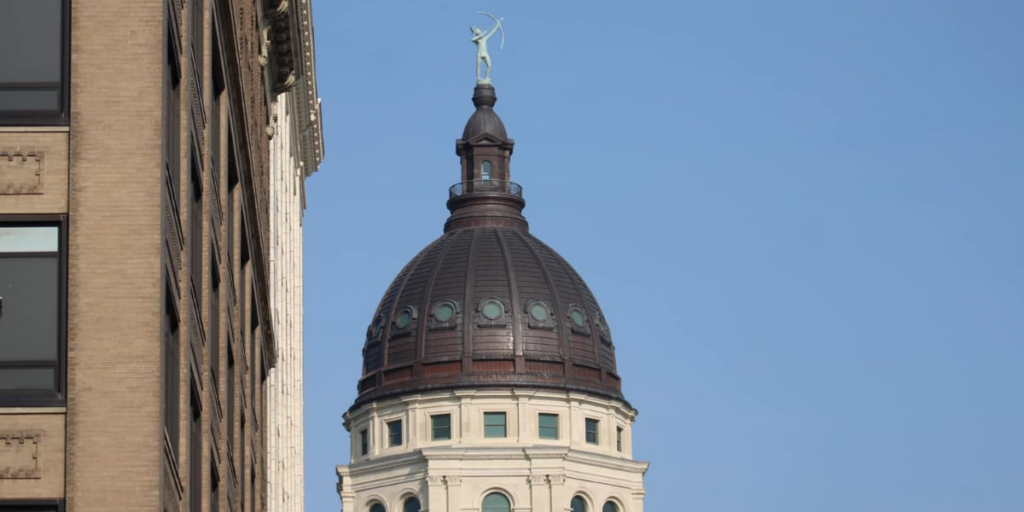
Kansas Governor Laura Kelly made headlines on Monday by vetoing five bills that were passed during the final days of this year’s legislative session. Each veto reflects her administration's priorities and sheds light on ongoing issues regarding taxation, local governance, and education in the state.
Among the bills vetoed is House Bill 2043, which sought to allow protest petitions against certain increases in property tax revenues. In her veto message, Governor Kelly criticized past legislative attempts to address property taxes in Kansas, labeling them as "false promises." She pointed out that the only property tax levied by the state is a modest 20 mills for public schools, with all other property taxes being assessed at the local level. Kelly offered a "three pronged, workable approach" to reduce property taxes, including a one-time $250 reduction on car taxes and an increase in the property tax exemption for schools from $75,000 to $150,000. Her proposal also included a $60 million fund to help counties manage property tax increases. However, she noted that legislative leaders did not allow for discussion or voting on her plan, opting instead for "another sure-to-fail, untenable property tax bill."
The second veto, House Bill 2111, aimed to exempt certain registered agritourism operations from local code enforcement. Kelly expressed concern that this legislation was pushed through at the behest of a single entity rather than the agritourism industry as a whole. She emphasized the importance of local control, stating that cities and counties are better positioned to create regulations that benefit both agritourism businesses and public safety.
Another significant veto was of House Bill 2515, which aimed to establish the Kansas Legal Tender Act and modify income taxes for sales of specie. Governor Kelly reaffirmed her commitment to reducing the tax burden for Kansans, noting her administration’s success in eliminating both the food sales tax and the state income tax on Social Security. She argued that the bill would diminish state resources and primarily benefit a select few citizens, thereby jeopardizing essential services funded by the state.
Kelly also vetoed House Bill 2044, which proposed modifications to income tax deductions for members of the armed forces and property tax refunds. She stated that this bill needed thorough legislative discussion within the context of broader tax and budget issues, which had not occurred.
Lastly, House Bill 2763, which mandated a certain amount of daily recess for elementary students and prohibited limiting it for disciplinary reasons, was also rejected. While Kelly supports the idea of recess and a state fitness test for children, she pointed out that the Kansas State Department of Education is already working to implement these initiatives without the need for the proposed legislation.
In summation, Governor Kelly's vetoes illustrate her commitment to maintaining local control, ensuring fiscal responsibility, and advocating for a balanced approach to taxation in Kansas. Each veto serves as both a critique of previous legislative actions and a call to work collaboratively with local governments and citizens to address the state’s pressing issues.
He's Dating an AI and Hiding It from His Therapist - Discover the Shocking Truth Behind Their Toxic Love!
You Won't Believe What's Happening at the Old Wells Fargo Site – Shocking Leasing Activity Revealed!

Kansas in Crisis: What You MUST Know About the Shocking 100-MPH Winds and Devastating Tornadoes!

This Local Team Just Pulled Off a Shocking Double Victory—You Won't Believe the Final Scores!

Soccer Shocker: Why This Official Demands the End of FIFA's Trump Award - You Won't Believe the Reason!
This Shocking Secret Will Change Everything You Thought You Knew—Find Out Why!
You might also like: