
Is Your Mental Health at Risk? Discover These 5 Shocking Truths Before It's Too Late!

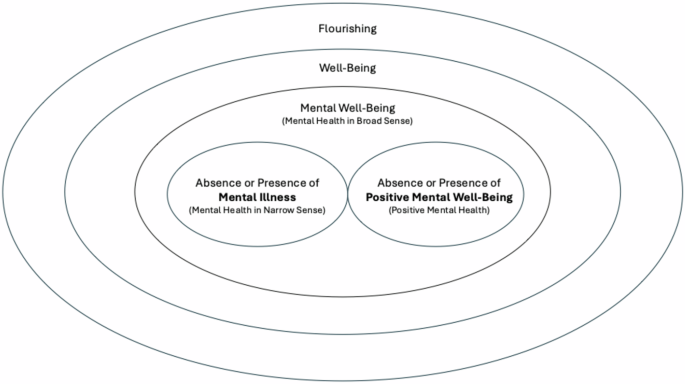
The conversation around mental health is evolving, and the latest research underscores the significance of understanding psychological well-being as a critical component of public health. With mounting evidence suggesting that mental health and well-being are interconnected, experts are advocating for a shift toward positive psychiatry—a framework that not only addresses mental illness but also promotes mental wellness.
According to the World Health Organization (WHO), mental health extends beyond the absence of mental disorders—it encompasses a state of well-being where individuals can realize their potential, cope with stress, work productively, and contribute to their communities. This concept is gaining traction in various sectors, from healthcare to education, as governments and organizations recognize the necessity of fostering psychological resilience across populations.
Research published in the Journal of Clinical Psychiatry by authors including David V. Jeste and colleagues emphasizes that positive psychiatry is no longer a peripheral idea but a vital approach to mental health care that prioritizes human flourishing. This shift is supported by significant studies, such as those found in the Oxford Handbook of Well-Being and Public Policy, which highlight the multifaceted nature of well-being, incorporating dimensions like happiness, life satisfaction, and purpose.
Understanding mental health through a positive lens is not merely theoretical. The economic implications of mental health are profound. Research by McDaid, Park, and Wahlbeck in the Annual Review of Public Health outlines the economic case for the prevention of mental disorders, suggesting that investing in mental health interventions yields substantial returns in productivity and overall societal well-being.
The concept of well-being also intersects with various demographic factors. For instance, studies from the BMC Public Health suggest that psychological well-being should be integral to public health debates, as interventions targeting mental wellness can lead to improved outcomes in diverse populations. This is echoed in the Global Flourishing Study, which investigates how different cultures perceive and experience well-being across 22 countries.
One of the striking findings from this study is that higher levels of mental well-being correlate with a lower risk of common mental disorders. In a world where mental illness often dominates the narrative, these findings advocate for a more balanced view that includes the promotion of flourishing as a public health priority.
Furthermore, the integration of positive psychology into mental health care practices opens avenues for innovative interventions. Bohlmeijer and Westerhof propose a model for sustainable mental health that incorporates these positive approaches, reinforcing that well-being can be a proactive endeavor rather than a reactive one.
As mental health continues to take center stage in public policy discussions, it is essential to recognize that the conversations must evolve from merely addressing mental illness to celebrating mental wellness. The implications of this shift are vast, suggesting a need for educational reforms, workplace interventions, and community programs that prioritize psychological well-being.
In conclusion, as the research evolves and the understanding of mental health becomes more nuanced, it is vital for policymakers, healthcare providers, and educators to embrace a broader definition of mental health—one that fosters resilience and promotes flourishing in all communities. This evolving narrative not only benefits individuals but also strengthens societal health as a whole.
Is HomeCode the Game-Changer Real Estate Agents Can't Afford to Miss? Shocking Reviews Inside!

N.C. A&T's Shocking Early Voting Event: Why 1,000 Students Are Urged to Show Up NOW!

You Won't Believe What Happens When Kaukauna HS Takes a Shot at Mental Health Awareness!

Student Arrested for Threatening School on Social Media—You Won't Believe What Happened Next!

Coinbase's Earnings Shock: Only 22% Chance of Success – Is Your Investment at Risk?

You Won't Believe the Shocking Changes to the NBA All-Star Game 2026: Is USA vs. World the Next Big Thing?
You might also like: