
Is Your Late-Night Snack Destroying Your Gut Health? Experts Warn of Shocking Consequences!

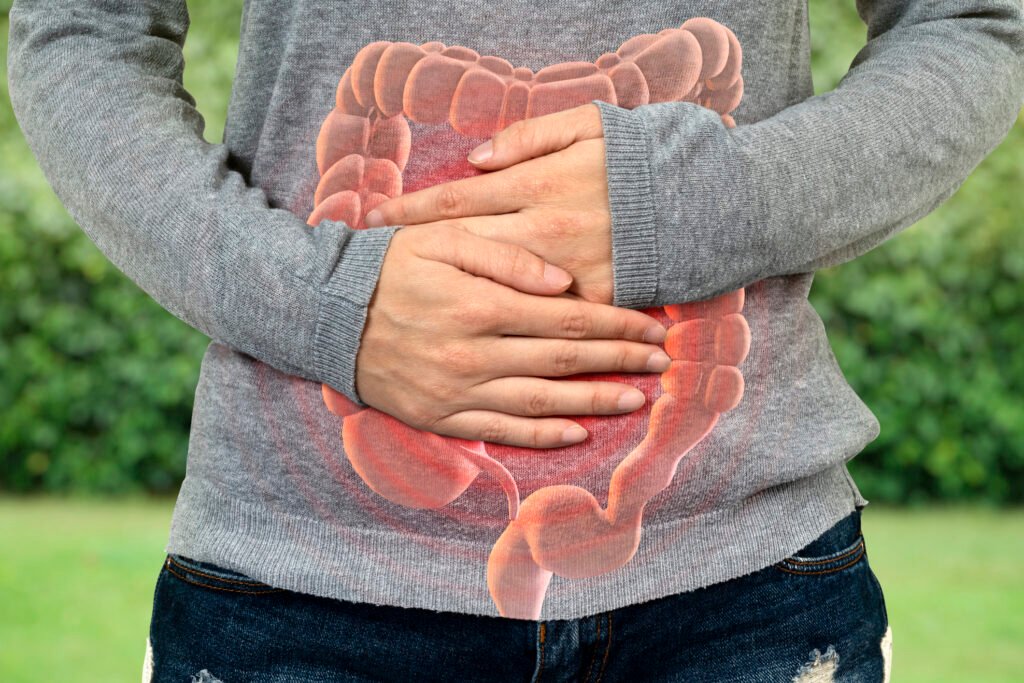
Eating late at night may exacerbate digestive issues, particularly for individuals experiencing chronic stress, according to a new study released on April 23. Researchers analyzed data from over 11,000 participants in the U.S. National Health and Nutrition Examination Survey to explore the connections between chronic stress, late-night eating habits, and bowel dysfunction.
The findings revealed that individuals with a high allostatic load score—a measure of cumulative physiological stress assessed through factors such as body mass index (BMI), cholesterol levels, and blood pressure—who consumed more than 25 percent of their daily caloric intake after 9 p.m. were 1.7 times more likely to experience constipation and diarrhea compared to those with lower stress scores who avoided late-night eating.
“It’s not just what you eat, but when you eat it,” said Harika Dadigiri, a resident physician at New York Medical College at Saint Mary’s and Saint Clare’s Hospital, and the study’s lead author. “And when we’re already under stress, that timing may deliver a ‘double hit’ to gut health,” she added.
Further analysis was conducted using data from the American Gut Project, which included over 4,000 participants. This research found that individuals with both high stress levels and late-night eating habits were 2.5 times more likely to report bowel problems. Additionally, these participants exhibited significantly lower gut microbiome diversity, suggesting that meal timing could intensify the impact of stress on gut health through the gut-brain axis—a complex communication system involving nerves, hormones, and gut bacteria.
The researchers emphasize that while these findings indicate strong associations, they do not establish direct cause-and-effect relationships. More extensive studies are needed to better understand the links between stress, eating patterns, and gut health.
Dr. Dadigiri noted that maintaining consistent routines may bolster digestive health. “Small, consistent habits, like maintaining a structured meal routine, may help promote more regular eating patterns and support digestive function over time,” she stated.
These insights are particularly relevant as many Americans struggle with stress in their daily lives. As the demands of work, family, and social obligations mount, understanding the interconnectedness of stress and eating habits becomes crucial. The implications extend beyond digestive health; they touch on overall well-being and lifestyle management. By recognizing the timing of meals and establishing healthier routines, individuals may be able to mitigate some of the adverse effects of stress on their health.
In a time where stress levels are often heightened, this study serves as a reminder of the importance of not only what we consume but also when we choose to consume it. As people strive for better health outcomes, prioritizing regular eating times could be a simple yet effective strategy.
Tech Stocks Surge Amid Market Chaos: Are You Missing Out on THIS Game-Changer?

TT Chain's Shocking Move: How Magne.AI Could Transform Your Smartphone Into a Crypto Powerhouse!

Shocking Revelations: Did Michigan Coaches Cover Up Paige Shiver's Scandalous Affair with Sherrone Moore?

You Won't Believe How Carnell Tate's Shocking Recruitment History Could Change Tennessee Football Forever!

Discover the SHOCKING reason the Patriots are doomed without Mike Vrabel on Day 3 of the NFL Draft!

You Won’t Believe Which Fairfax County Agent Sold Homes for 20% More—Is Yours on the List?
You might also like: