
Is Your Christmas Spirit Dying? Discover the Shocking Truth Behind Climate Change’s Impact on Holiday Traditions!

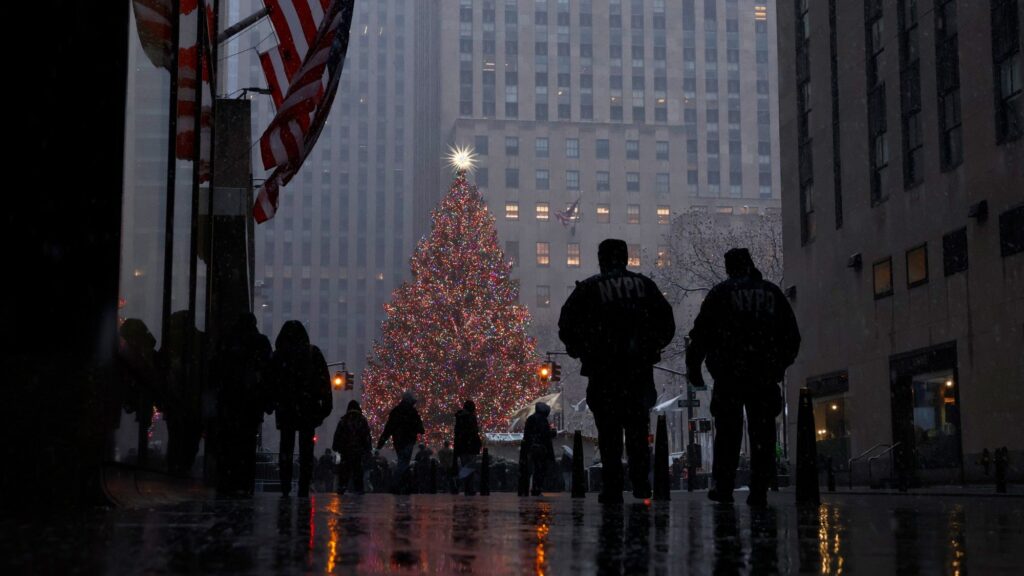
As families across America prepare for Christmas, many may find themselves dreaming of a white holiday. However, climate change is altering the very fabric of this cherished seasonal tradition, making snowy Christmases a rarity in many places. The impact of rising temperatures extends beyond just the weather; it threatens the affordability and availability of essential Christmas goods, including trees and holiday treats.
The implications of climate change are becoming increasingly evident. According to climatologist David Robinson from Rutgers University, December temperatures in the U.S. have risen by three to five degrees over the past 75 years. This warming trend significantly influences precipitation patterns, meaning that small changes in temperature can determine whether Christmas Day brings snow or rain. Data from the National Oceanic and Atmospheric Administration reveals that from 2003 to 2024, only 36% of the contiguous U.S. was blanketed in snow on Christmas morning. This statistic, while seemingly straightforward, is complicated by factors such as geography; for instance, southern California rarely experiences snow.
Moreover, our memories may not align with the climatic reality. Robinson points out that people often recall a single snowy Christmas and ignore the several others that were not. This selective memory can skew perceptions about our present climate, potentially leading to a sense of nostalgia that overlooks the need for urgent action on climate issues.
The Broader Impact of Climate Change on Holiday Traditions
While the weather may not be cooperating, the effects of climate change reach far deeper into the holiday season than just snowfall. The production of Christmas commodities is also under threat, directly impacting what shoppers find on store shelves. Many of the most sought-after holiday goods are produced in regions facing significant climate challenges. For instance, cocoa yields in African countries have plummeted in recent years, affecting the availability of chocolate for holiday favorites, from yule log cakes to hot cocoa. This situation underscores a climate-driven shift that researchers at Harvard’s Salata Institute for Climate and Sustainability have labeled as a “new normal.”
Christmas trees, a staple of the holiday season, are also feeling the heat—literally. The tree-farming industry is transforming due to changing weather patterns and the escalating cost of land. Kelsey Leonard, founder and director of the Christmas Tree Lab at the University of Waterloo, emphasizes that these factors are reshaping how Christmas trees are grown. While some might consider switching to artificial trees as a solution, Leonard warns against this option. Many artificial trees are made from plastic, a product of fossil fuel consumption, which poses its own environmental concerns.
Even the beloved symbols of Christmas, such as reindeer, are not immune to the effects of climate change. A study published in the journal Science predicts a potential decline of up to 50% in the global reindeer population by the end of the 21st century, with losses in North America expected to exceed 80%. This decline is particularly alarming given that reindeer are the only deer species adapted to thrive in Arctic conditions.
As this holiday season unfolds, American families may find themselves in a paradox. While they may cherish memories of snowy Christmases and holiday traditions, the reality of a warming planet is altering what those traditions will look like in the future. It serves as a reminder that climate change is not just an abstract concept—it's affecting the very fabric of our cultural practices. As we gather around our trees and share holiday treats, it’s essential to remember the broader implications of our changing climate and consider what steps we can take to ensure these beloved traditions endure for generations to come.
You Won't Believe What Keira Bierdemann's Shocking New Deal with Saint Mary's College Means for Her Future!

Dow Hits New Heights: Are Tech Stocks the Secret Behind a Shocking Holiday Surge? Find Out Now!

MARIS Unveils Shocking Rev-Share Program—Is Your Income at Risk? NAHREP's Bold Move Could Change Everything!

Shocking Footage: Why This Gym-Goer Is Facing 5 Years After Attacking a Planet Fitness Employee!
US Government's Secret 'Tech Force' Will Hunt 10,000 AI Experts—Are You Next?

Alert: Shocking Data Breach Hits Fairbanks Health Clinic—Thousands at Risk! Are You Affected?
You might also like: