
Is the White House's New Coal Policy an Economic Lifeline or Environmental Disaster? Find Out Now!

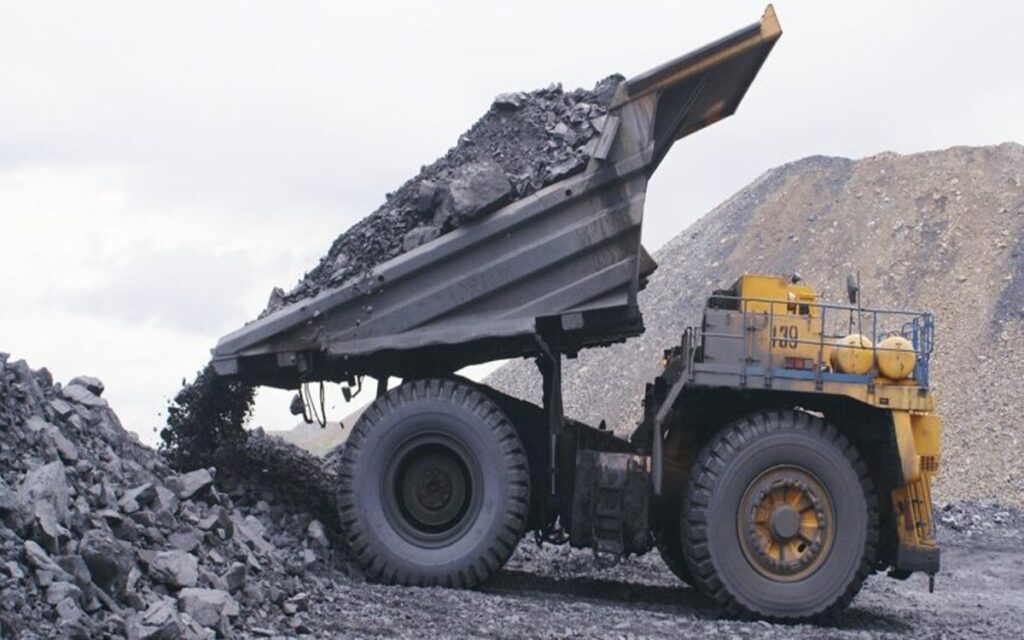
The White House has recently intensified its focus on coal, not merely as a traditional fuel source, but as a crucial potential supplier of rare earth elements and other essential minerals. These materials are increasingly recognized as vital to national security and advanced manufacturing.
At the “Champion of Coal” event in Washington, President Donald Trump and senior industry executives articulated a bold vision for the future of the coal sector. The discussion transcended the conventional narrative surrounding coal, emphasizing its potential role in bolstering domestic supply chains for materials critical to defense systems, electronics, and emerging technologies.
CEO of Peabody Energy, Jim Grech, indicated that the coal industry is working closely with the administration to explore innovative opportunities, including the construction of additional coal-fired power plants. He highlighted the strategic relevance of coal during this time, viewing it as a potential source of rare earth elements and other critical minerals necessary to safeguard the nation's economic and security interests.
President Trump directly linked coal with industrial capability, asserting that it is foundational to diverse sectors including steelmaking, shipbuilding, and the infrastructure necessary for artificial intelligence. He framed coal as integral to national resilience, particularly at a moment when advanced manufacturing and defense capabilities are receiving heightened political attention.
Grech emphasized the scale of American coal reserves, claiming that the United States has more energy stored in its coal deposits than any other nation possesses in a single comparable energy source. He stated that U.S. coal resources surpass those of Russia’s natural gas and even Saudi Arabia’s oil in terms of energy potential.
This renewed emphasis on coal comes amid growing concerns about the availability of critical minerals, including rare earth elements, which are indispensable in global supply chains. These materials play critical roles in advanced electronics, renewable energy systems, defense equipment, and AI-related technologies. The concentration of supply and geopolitical competition has elevated the urgency for securing domestic sources, pushing this issue higher on the policy agenda.
According to Grech, mining communities are already experiencing fresh investments and a resurgence of confidence. Towns that previously faced economic uncertainty are beginning to see renewed optimism and development, a positive sign for local economies.
The administration’s approach reflects a broader industrial strategy aimed at reducing vulnerabilities within high-technology sectors through expanded domestic production capacity. By repositioning coal as both an energy resource and a mineral source, policymakers are reshaping its role in the context of U.S. economic and security planning.
“The future of coal is not just in energy production but in its role as a critical resource for the technologies of tomorrow,” Grech said.
This strategic pivot toward coal highlights the administration's commitment to ensuring that the United States can compete effectively in a global market increasingly dominated by technology and advanced manufacturing. As the world progresses toward a more electrified and technologically driven future, the focus on domestic coal resources for critical minerals may play a pivotal role in maintaining American competitiveness and security.
Debenhams Shocks Retail World: How a New PayPal Deal Could Change AI Shopping Forever!

Gov. Moore's Bold Stand Against Trump: What He Said Will SHOCK You!

How a Shocking 70% of Voters Could Turn the GOP’s 2024 Hopes Upside Down!

LeBron James Just Broke a 30-Year NBA Record—You Won't Believe What Happened Next!

Thailand's Shocking Move: Are Elephants at Risk from Controversial Birth Control Vaccine? Discover the Truth!

OpenAI’s Bombshell Memo: Is China’s DeepSeek R1 Model Cheating the System? You Won’t Believe What Happens Next!
You might also like: