
Is the Real Estate Boom About to Fizzle? Shocking Strategies You Must Know NOW!

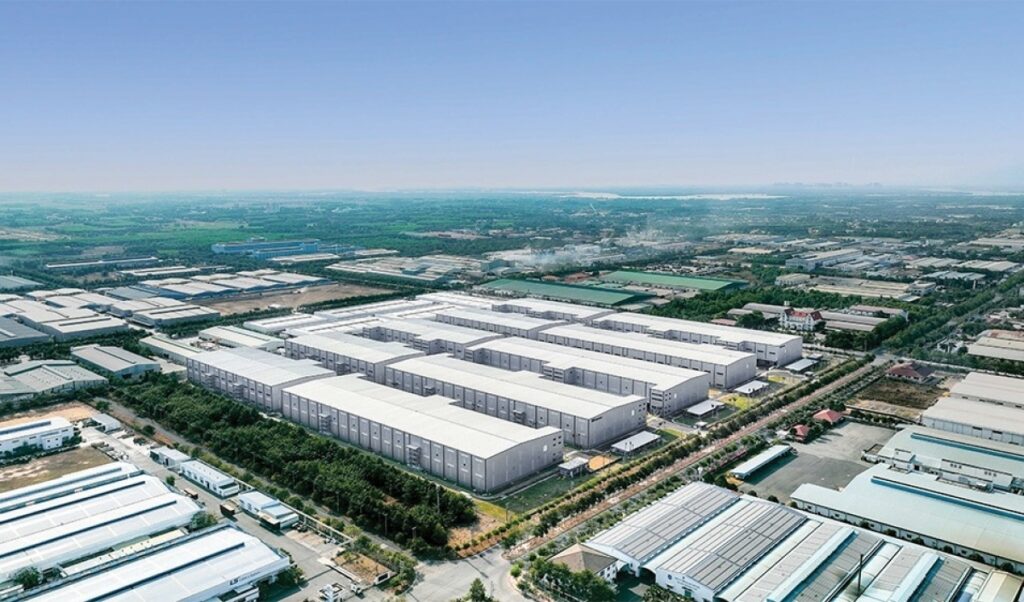
Vietnam's real estate and construction sectors are poised for a transformation, signaling a shift towards disciplined growth following a period of rapid expansion. In 2026, prices for well-located residential properties in major cities like Hanoi and Ho Chi Minh City are expected to stabilize, showing modest increases of 5% to 8%, particularly in areas near metro lines and upgraded urban infrastructure. This marks a departure from the speculative trends of the past, as demand now prioritizes legal transparency and reputable developers.
The country's construction momentum is being fueled by one of its most active periods of infrastructure investment, with public investment disbursement projected to rise by 8% in 2026, reaching record levels. Major projects such as the North–South Expressway, Long Thanh International Airport, and new metro lines are expected to boost construction output by approximately 10%. Improved transportation networks are opening new development corridors and attracting suburban housing and logistics hubs, while clearer regulations surrounding public-private partnerships are creating significant opportunities for co-financed infrastructure projects.
Legal reforms set to take effect between late 2023 and early 2026 are fundamentally reshaping Vietnam's regulatory landscape. Updates to laws governing land, housing, and construction are addressing long-standing challenges in land administration and project approvals. Notable improvements include annual market-based land pricing, expanded eligibility for land-use rights certificates, and digitized permitting processes under the new Construction Law. Developers have reported smoother interactions with authorities and faster project progress, indicating a renewed commitment to transparency and predictability in the market. Real estate emerged as Vietnam's second-largest foreign direct investment sector in 2025, and the improved legal framework should attract even more investor interest in the coming years.
The Rise of Green Construction
Sustainability is becoming increasingly mainstream in Vietnam’s real estate market, with over 780 green-certified buildings now in existence. In 2025 alone, 196 projects earned green labels, driven by policies such as a 2024 circular mandating green criteria for large new developments. Local initiatives in Ho Chi Minh City, including fast-tracked permits and floor-area incentives for green buildings, have further accelerated this trend. As more developers embrace sustainable architecture, not only to comply with regulations but also to meet rising buyer expectations, the demand for green financing is also increasing. By the end of 2025, Vietnamese banks and corporations issued more than $1.5 billion in green bonds and sustainability-linked loans, reflecting a significant reduction in capital costs for environmentally aligned projects. The upcoming national green building standards, planned for 2026 by the Ministry of Construction, are poised to offer a clear competitive advantage for developers.
The industrial real estate segment remains the most resilient and high-performing in Vietnam, with occupancy rates exceeding 90% in key industrial provinces. Manufacturing now accounts for over 80% of foreign investment disbursements, driven in part by the ongoing China+1 diversification strategy. New infrastructure improvements, such as expressways connecting ports and factories, are strengthening Vietnam's position as a manufacturing and export hub. Developers are increasingly looking to emerging provinces to accommodate overflow demand from saturated core areas, ensuring continued momentum into 2026 and beyond.
However, despite the positive outlook, the sector faces several structural challenges. Rapid price escalation—around 20% to 30% year-on-year in recent periods—has pushed average condo prices in major cities to VND 100 million (approximately $4,000) per square meter, creating a housing affordability crisis for many households. The government has recognized this issue and aims to build 1 million affordable housing units by 2030 while providing incentives for social housing developers.
New taxes effective in 2026 will target speculative buying and excessive leverage, which have contributed to inflated land prices and “ghost projects.” While these measures aim to promote healthier market behavior, they may also tighten financing for legitimate projects, particularly for developers still recovering from the 2023 liquidity crunch. Policymakers will need to strike a balance between stability and adequate capital flow, a challenge that will significantly influence market sentiment in 2026.
Global factors, including interest rate movements and geopolitical tensions, also loom large over Vietnam’s real estate outlook. While the country has managed to maintain inflation around 3% to 4% and kept its currency relatively stable, the potential for increased borrowing costs could deter foreign investment. As Vietnam enters 2026, the emphasis will be on recalibrating the real estate market to foster sustainable growth rather than pursuing short-term gains.
In conclusion, Vietnam's real estate and construction sectors are transitioning towards a more disciplined and sustainable approach. With a focus on infrastructure investments, legal reforms, and green construction, the market is laying the groundwork for robust long-term growth. The priorities for developers and investors will increasingly tilt towards mid-market housing, industrial assets, and technological innovation, marking a significant departure from past speculative trends.
77-Year-Old Reveals 5 Shocking Moves That Keep Her Defying Age – You Won't Believe #3!
This Startup Plans to Bury a Nuclear Reactor 6,000 Feet Deep—Are We Ready for July 2026?

Boost Juice's Shocking 26-Year Surprise: Limited ST. ALi Coffee Collab You Can't Afford to Miss!

Unlock the Secret Sleepers: You Won’t Believe These 5 Players Could Change Your Fantasy Game!

Is the Pacific's $500 billion economy on the brink of collapse due to climate change? Find out now!

Discover the Shocking Truth Behind 'Nonnamaxxing'—Is Your Health at Risk? 5 Secrets You MUST Know!
You might also like: