Is Scotland on the Brink? 2026 Election Nears – You Won't Believe What’s at Stake!

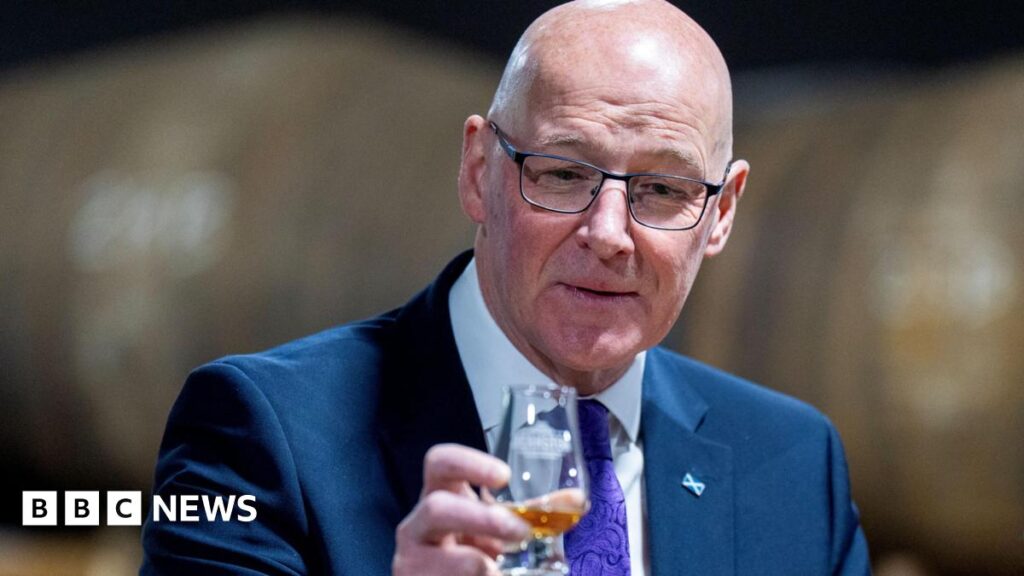
As the Scottish Parliament gears up for elections, a notable shift is occurring: several former Members of the Scottish Parliament (MSPs) are now running as independents. This move raises questions about their prospects and the implications for the political landscape in Scotland. A handful of these candidates, each with their own distinct narratives, are hoping to capitalize on their past experiences while distancing themselves from party politics.
Fergus Ewing, a long-time MSP and son of SNP legend Winnie Ewing, is among the most prominent figures running as an independent. Ewing, who has been in the Scottish Parliament since its inception, was expelled from the SNP after a series of rebellions against the party's power-sharing agreement with the Greens. He is now focused on pledging to prioritize his constituency over party loyalty, an approach that may resonate with voters frustrated by party politics.
Ash Regan is another former party member seeking to make her mark as an independent. Previously a contender for leadership in both the SNP and the Alba party, Regan's campaign centers around her mini-manifesto titled "Making Holyrood Work for Scotland." Her platform emphasizes a pragmatic approach to governance, aiming to bridge the gap between evidence and action in addressing the everyday issues faced by constituents.
Jeremy Balfour, who resigned from the Conservative Party last year, is also running as an independent. His campaign is built on a commitment to enhancing accessibility for disabled individuals and upgrading critical transport infrastructure. Balfour’s focus on social issues marks a significant pivot from mainstream party lines, tapping into a growing emphasis on inclusivity and community needs.
The challenge of running as an independent is substantial, and historical context shows mixed outcomes for such candidates. For instance, Dennis Canavan successfully represented Falkirk West as an independent after being denied the opportunity to run with Labour, while Margo Macdonald overcame party barriers to serve multiple terms in the Lothians region as an independent. Conversely, not all independent campaigns have met with success; Andy Wightman, who left the Scottish Greens, failed to secure a seat in the Highlands and Islands list in 2021.
In the upcoming elections, Ewing is contesting in the Inverness and Nairn constituency, facing off against candidates including Neil Alexander (Lib Dem), Fred Campbell (Reform), and Emma Roddick (SNP). Meanwhile, Regan and Balfour are both competing in the more diverse Edinburgh and Lothians East Region. This area will see a crowded field that includes parties from the Scottish Green Party to the Scottish Socialist Party, making the path to victory even more challenging for independents.
While it's evident that running as an independent is fraught with hurdles, history indicates it is not an impossible feat. The ongoing political evolution in Scotland, with an increasing number of candidates disenchanted with traditional party structures, suggests a potential shift in voter sentiment. Voters’ desires for authenticity and accountability might pave the way for these former MSPs to find success outside party lines. As Scotland approaches these elections, the choices made by these candidates could significantly impact both their constituencies and the wider political narrative in the nation.
Antigua's Prime Minister is on the Brink of a Shocking Fourth Term—What Could This Mean for the Future?

Shocking New Footage Emerges: Did a Celebrity Spark the White House Correspondents' Dinner Shooting?

New Study Reveals: Are You at Risk for Stroke? Shocking Link Between Climate Change and Pollution Exposed!
You Won't Believe How a Hammers, Smartphones, and a Chimney Sparked May Day's Biggest Controversy!
MA Governor's Bold Response to SCOTUS VRA Ruling: Will Your Vote Be Affected? Shocking Details Inside!

Beverley Callard's Shocking Cancer Update: What Her Latest Test Results Reveal Will Leave You Speechless!
You might also like: