New Study Reveals: Are You at Risk for Stroke? Shocking Link Between Climate Change and Pollution Exposed!

New research highlights a concerning link between environmental changes exacerbated by climate change and an increased risk of stroke. Factors such as extreme temperatures, sudden temperature swings, humidity, air pressure fluctuations, wildfires, dust storms, and sandstorms have all been implicated in this serious public health issue. The study, conducted by researchers collaborating with the World Stroke Organization, reviewed existing literature to examine the connections between climate-related environmental changes and stroke risk.
The findings indicate that an increasingly unstable climate may not only elevate the likelihood of experiencing a stroke but also increase mortality rates associated with strokes. While researchers emphasize that most evidence suggests associations rather than direct causation, the pattern observed is both consistent and biologically plausible.
“Hot temperatures can cause dehydration, ‘thickening’ the blood and raising the risk of blocked blood vessels, while humidity and air pressure changes can increase blood pressure, an important cause of stroke,” explained Anna Ranta, senior lead author of the review and researcher at the Department of Medicine at the University of Otago, Wellington, New Zealand.
Ranta further noted that the simultaneous occurrence of weather extremes—such as extreme heat coupled with drought or cold weather combined with high humidity and wind—can have a compounding effect, elevating the risk of stroke and death significantly.
The research also identifies particular demographic groups that are at greater risk, including older adults, individuals with metabolic disorders, and those living in colder or lower-income areas. In these settings, both cold and heat extremes can heavily contribute to the overall stroke burden.
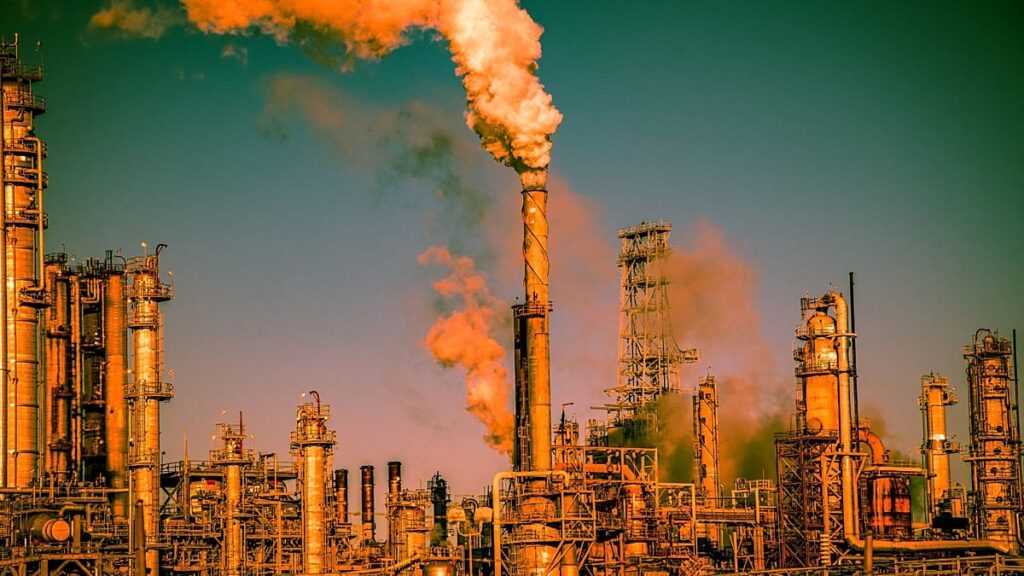
Air pollution has also been identified as a major risk factor for stroke. The World Stroke Organization's most recent Global Stroke Fact Sheet indicates that environmental risk factors, primarily air pollution and lead exposure, account for approximately 37% of the global stroke burden.
“The particulate matter of the ‘air pollutants’ enters the bloodstream via the lungs and can damage blood vessel walls. This can result in blocked and ruptured brain arteries, leading to a stroke,” the organization pointed out. The shared origins of climate change and air pollution—primarily stemming from the burning of fossil fuels—suggest that reducing greenhouse gas emissions could mitigate these climate-related stroke risks and protect overall brain health.
Stroke remains a critical concern as it stands as the third leading cause of death and disability worldwide. According to the World Health Organization, there were approximately 11.9 million new cases of stroke in 2021, with one in four adults facing the risk of stroke in their lifetime. This alarming statistic underlines the urgent need to address both environmental changes and public health initiatives aimed at combating stroke risks.
As climate change continues to create more volatile weather patterns, the implications for public health are profound. The intersection of climate and health should be a focal point for policymakers, healthcare professionals, and the general public. Understanding the connections between environmental factors and health outcomes could pave the way for more effective strategies to reduce stroke risks and enhance community resilience in the face of climate change.
You Won't Believe How a Hammers, Smartphones, and a Chimney Sparked May Day's Biggest Controversy!
MA Governor's Bold Response to SCOTUS VRA Ruling: Will Your Vote Be Affected? Shocking Details Inside!

Beverley Callard's Shocking Cancer Update: What Her Latest Test Results Reveal Will Leave You Speechless!

Why Adam Hollioake's Shocking Move to Suspend Social Media Could Change Kent Forever!

Unlock the Secret: Why Your Smartphone Could Be the Key to Global Satellite Internet!

You Won't Believe What Pepperlot's New Marketplace for Restaurant Real Estate Could Mean for Your Business!
You might also like: