
Is Asia's Reproductive Health on the Brink? Shocking Stats Reveal a Hidden Crisis!

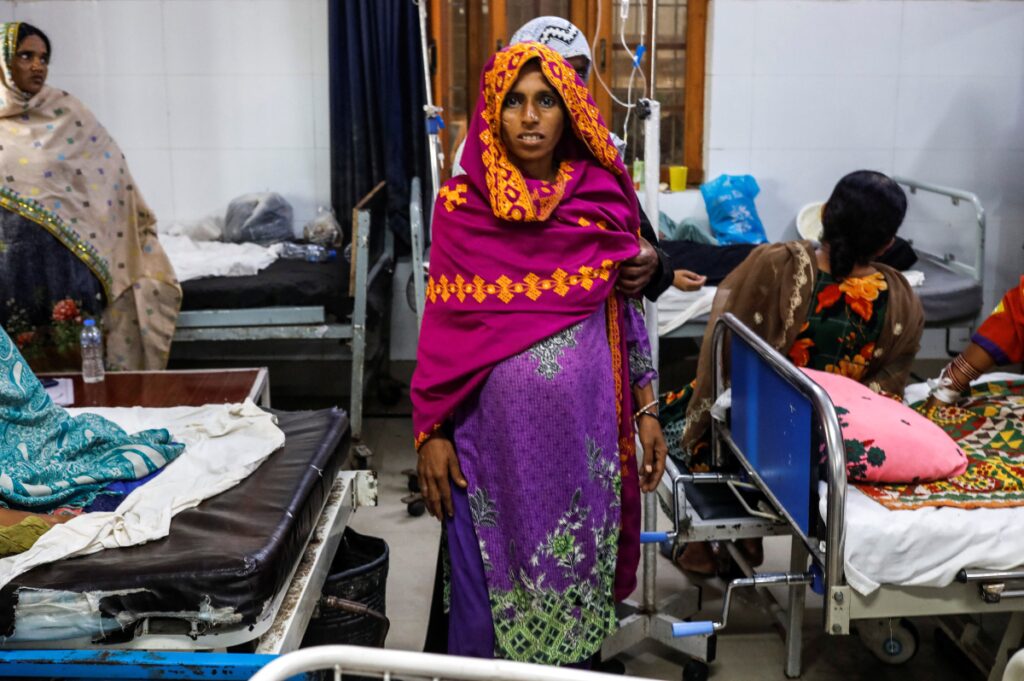
A growing body of evidence indicates that climate change is posing significant reproductive health risks across Asia, particularly in the region's most vulnerable countries. As environmental catastrophes like fires, floods, and pollution intensify, the implications for sexual and reproductive health are becoming increasingly dire. This urgent issue was highlighted at a recent International Conference on Family Planning, where experts emphasized the need for increased funding for sexual and reproductive health to enhance resilience in the face of climate change.
According to the World Health Organization, individuals affected by climate-related health risks, including pregnant women, adolescent girls, newborns, and LGBTQ+ people, often find their needs overlooked. The correlation between extreme weather and adverse outcomes for women and infants is particularly troubling. Studies indicate that rising temperatures and severe weather events have led to increases in preterm births, stillbirths, and maternal complications. For example, research conducted by Climate Central between 2020 and 2024 found that nearly one in three countries experienced at least an additional month of high heat, conditions harmful to pregnancy.
The effects of climate change extend beyond individual health risks. Extreme weather events complicate access to contraception, maternal care, and safe birthing environments, especially for women and girls. This year alone, Asia witnessed record heatwaves, crop failures, and devastating typhoons, which have taken a toll on maternal health. In the aftermath of Typhoon Haiyan in 2013, health facilities in the Eastern Visayas region of the Philippines saw a significant drop in obstetric care patients. Similarly, in drought-affected areas of Sindh province, Pakistan, high malnutrition rates among pregnant and breastfeeding women have directly contributed to increased newborn deaths due to low birth weights and neonatal sepsis.
Moreover, climate change is further compounding existing health disparities faced by marginalized groups, including LGBTQ+ individuals. In storm-prone regions like the Philippines and Bangladesh, access to essential health services such as HIV testing and treatment becomes increasingly difficult, exacerbating vulnerabilities within these communities.
The Funding Gap
As global aid cuts intersect with a rapidly changing climate, the challenges faced by frontline communities grow more pronounced. Notably, climate financing often excludes crucial aspects of sexual and reproductive health, which some experts argue are vital for resilience planning. Nabeeha Kazi Hutchins, head of Population Action International, underscored the importance of integrating sexual and reproductive health into environmental policies and local heat action plans. She stated, “This is an excellent opportunity for the climate sector and the global health and sexual and reproductive health and rights community to come together.”
According to the National Adaptation Plan (NAP) Global Network, addressing issues related to sex and reproduction can bolster national resilience and improve outcomes for vulnerable populations. Failing to recognize the interconnectedness of climate change and reproductive health risks not only undermines individual well-being but also hinders broader efforts to combat the effects of climate change.
As this critical conversation evolves, it is clear that addressing the multifaceted impacts of climate change on reproductive health is essential. By advocating for the inclusion of sexual and reproductive health in climate financing and policy frameworks, there is an opportunity for a more comprehensive approach to health and environmental resilience. This holistic viewpoint can ultimately help safeguard the health of millions, particularly those in the most vulnerable communities across Asia.
You Won't Believe How Many Americans Are Struggling Under THIS Unfair Health-Care System!

You Won't Believe How Millikan Shocked Lakewood in a Jaw-Dropping Moore League Showdown!

Is India’s Smartphone Boom Hiding a Shocking Downside? Discover the Unbelievable Truth!

Fitness Coach Reveals Shocking ₹10 Fruit Packed with Protein – Eat This Daily or Regret It!

Knicks’ Shocking Last-Minute Victory Over Spurs: You Won’t Believe How They Did It!

You Won't Believe What Happens When 20 Years of NWTC's Startup Hub Meets Bold Entrepreneurs!
You might also like: