
Iran’s Supreme Leader is Dead: Why the White House Thinks Change Won’t Happen! Shocking Reasons Inside!

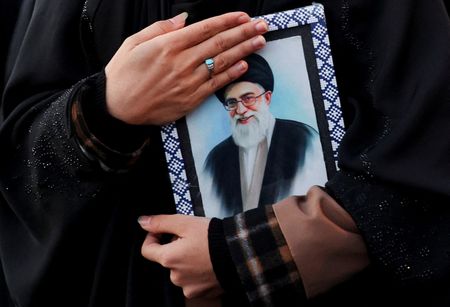
The death of Iran’s Supreme Leader Ayatollah Ali Khamenei in a U.S.-Israeli military strike on Saturday has raised significant questions about the future of the Iranian regime. However, American intelligence officials are skeptical that this event will lead to an immediate regime change in Tehran. According to three U.S. officials, the opposition within Iran is currently too weak to challenge the authoritarian government that has been in power since 1979.
In the wake of Khamenei's death, President Donald Trump and other administration figures have suggested that toppling Iran's leadership is among Washington's objectives, alongside dismantling the country’s nuclear and missile capabilities. Yet, intelligence reports indicate that the Iranian opposition remains fragmented and lacks the momentum needed for a successful coup.
In a video message on his platform, Truth Social, Trump appealed directly to the Iranian populace, urging, “I call upon all Iranian patriots who yearn for freedom to seize this moment … and take back your country.” Despite this call, American officials caution that the current political landscape in Iran makes an uprising unlikely in the near term. Some officials noted that while the ongoing airstrikes have targeted key Iranian personnel, the infrastructure of the regime is likely to remain intact.
Prior to the military operation, intelligence analysts warned that Khamenei's removal might simply lead to his replacement by hardline commanders from the Islamic Revolutionary Guard Corps (IRGC) or other extremist religious leaders. A White House official revealed that the IRGC leadership is unlikely to cede power voluntarily, particularly given the patronage system that incentivizes loyalty among its ranks.
Amid this uncertainty, conversations within U.S. intelligence agencies have shifted from merely assessing the leadership transition to considering the broader implications of Khamenei's death. Discussions have focused on whether this might alter Iran's approach in negotiations regarding its nuclear program with the United States. Reports suggest that since the violent crackdown on protests in January, which saw no defections from the IRGC, a successful revolutionary movement could hinge on military defections—something that seems implausible at this moment.
Trump's recent announcement indicating a desire to restart diplomatic contact with Iran suggests a belief in the resilience of the current regime. This sentiment is underscored by Iranian President Masoud Pezeshkian, who announced a temporary leadership committee to assume Khamenei's responsibilities. Meanwhile, security official Ali Larijani condemned the U.S. and Israel, claiming they seek to “plunder and disintegrate Iran,” and threatened retaliation against any “secessionist groups” that might act against the regime.
As the situation develops, the Iranian government appears to be consolidating power rather than fragmenting. Intelligence assessments reveal that the potential fallout from Khamenei's death is still being deliberated, with agency officials debating how it might affect Iran's nuclear ambitions and missile development. Analysts have expressed doubt that any U.S.-backed opposition figure could realistically govern if the regime were to fall, emphasizing that any successful rebellion would rely on the military’s choice to side with the people.
Jonathan Panikoff, a former senior intelligence official now at the Atlantic Council, articulated the complexity of the situation: “At the end of the day, once U.S. and Israeli strikes stop, if the Iranian people come out, their success in promoting the end of the regime will depend on the rank and file standing aside or aligning with them. Otherwise, the remnants of the regime, those with the weapons, are likely to use them to keep power.”
As American officials continue to assess the implications of Khamenei's death, the internal dynamics of Iran’s political landscape remain uncertain, underscoring the resilience of the regime despite its leadership upheaval.
You Won't Believe How Military Training Transformed This Ordinary Person’s Life Forever!

You Won't Believe How Azzi Fudd Led UConn to a Stunning 47th Victory—What Happened Next Will Shock You!

You Won't Believe What Nutritionists Discovered: Is Popcorn Really a Healthy Snack or a Hidden Danger?

You Won’t Believe This Chinese Ghost Town: Rent for Just $116—Is It Safe? Find Out Before It’s Too Late!
High School Students Shock the Nation: You Won't Believe What They Did at Direct Relief!

You Won't Believe What Lies Inside China's Abandoned Housing Complexes—Shocking Photos Revealed!
You might also like: