
You Won't Believe What Nutritionists Discovered: Is Popcorn Really a Healthy Snack or a Hidden Danger?

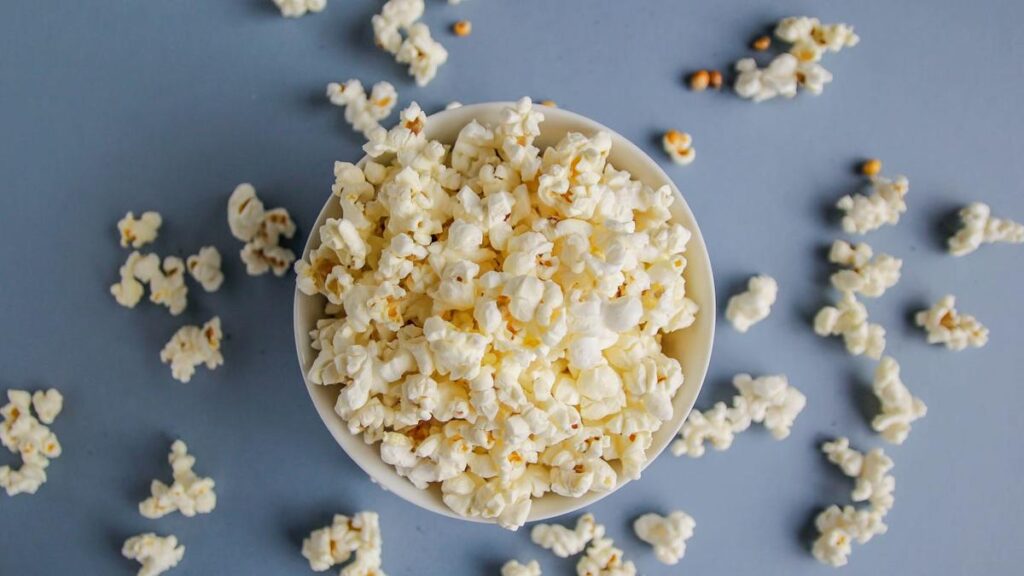
Popcorn is a beloved snack in America, whether it's enjoyed at the movies, at amusement parks, or in the comfort of home. Its crispy texture and versatility make it an appealing choice, but its nutritional value often raises questions. Is it truly a healthy option, or does it come with hidden downsides? To get to the bottom of this, we consulted nutrition experts to explore popcorn’s benefits and concerns.
On one hand, popcorn is celebrated for its high-volume, low-calorie profile. According to the U.S. Department of Agriculture (USDA), a three-cup serving of plain popcorn provides nearly one-third of the daily fiber requirements for many adolescents and adults. Fiber is an essential part of a balanced diet, helping to regulate blood sugar and maintain a healthy gut microbiome. Harvard University research even suggests that a fiber-rich diet may lower the risk of conditions such as heart disease and diabetes.
Beyond fiber, popcorn is rich in polyphenols—micronutrients with antioxidant properties. Dr. Elias Ortiz, Chief Bariatric Surgeon at Elias Ortiz & Company, emphasizes that “it’s packed with antioxidants, especially polyphenols, which can help fight inflammation and support heart health.” A three-cup serving contains just under 100 calories, making it a relatively low-calorie food. However, it’s worthwhile to note that popcorn is not a low-carb food; it contains about six grams of carbohydrates per cup with minimal protein content.
Despite its healthy attributes, the way popcorn is prepared can dramatically alter its nutritional profile. “Not all popcorn is created equal,” warns Elisa Kosonen, a Registered Holistic Nutritionist. Movie theaters and packaged popcorn brands often load their products with butter, salt, and artificial flavorings. For example, a serving of **Orville Redenbacher's Movie Theater Butter Popcorn** has 11 grams of fat and 380 milligrams of sodium. In contrast, plain popcorn has virtually no fat or sodium.
One of the most pressing concerns is sodium intake; excessive sodium can contribute to high blood pressure and increase the risk of heart disease, as noted by Michelle Routhenstein, Cardiology Dietitian at EntirelyNourished.com. Additionally, the chemicals used in microwave popcorn packaging, like perfluorooctanoic acid, could potentially leach into the popcorn itself, posing further health risks.
For those looking to make popcorn a healthier snack option, there are various strategies to consider. One popular method among health-conscious cooks is using air poppers, which rely on hot air instead of oil to pop the kernels. While air-popped popcorn does have a negligible caloric difference compared to oil-popped popcorn—about 10 calories per cup—the real difference lies in how you choose to season it.
Instead of buttery toppings and heavy salt, nutritionists recommend experimenting with spices and lower-sodium flavor enhancers. Kosonen suggests tossing popcorn with nutritional yeast for a “cheesy, umami flavor” along with a boost of B vitamins. For a savory kick, Routhenstein recommends using Italian seasoning blends, which include garlic powder, oregano, and basil.
Ultimately, popcorn can be part of a healthy diet, but moderation and preparation methods are the key. Opting for plain or lightly seasoned popcorn can allow you to enjoy this crunchy snack without the guilt. Whether you're hosting a movie night or just craving a light snack, understanding how to prepare and season popcorn can make all the difference in its health benefits.
You Won’t Believe This Chinese Ghost Town: Rent for Just $116—Is It Safe? Find Out Before It’s Too Late!

High School Students Shock the Nation: You Won't Believe What They Did at Direct Relief!

You Won't Believe What Lies Inside China's Abandoned Housing Complexes—Shocking Photos Revealed!

You Won't Believe the SHOCKING Way Fans Reacted to the Almost Perfect Season Finale Against USC!

Why Casey Dick and Ryan Silverfield's Social Media Drama Could Change Everything—Shocking Details Inside!

Tanner Koziol’s NFL Combine SHOCKER: Did He Just Change His Future With THIS Jaw-Dropping Performance?
You might also like: