
Iran's Shocking Demand: Are Scammers Really Asking for Bitcoin to Cross This Vital Waterway?

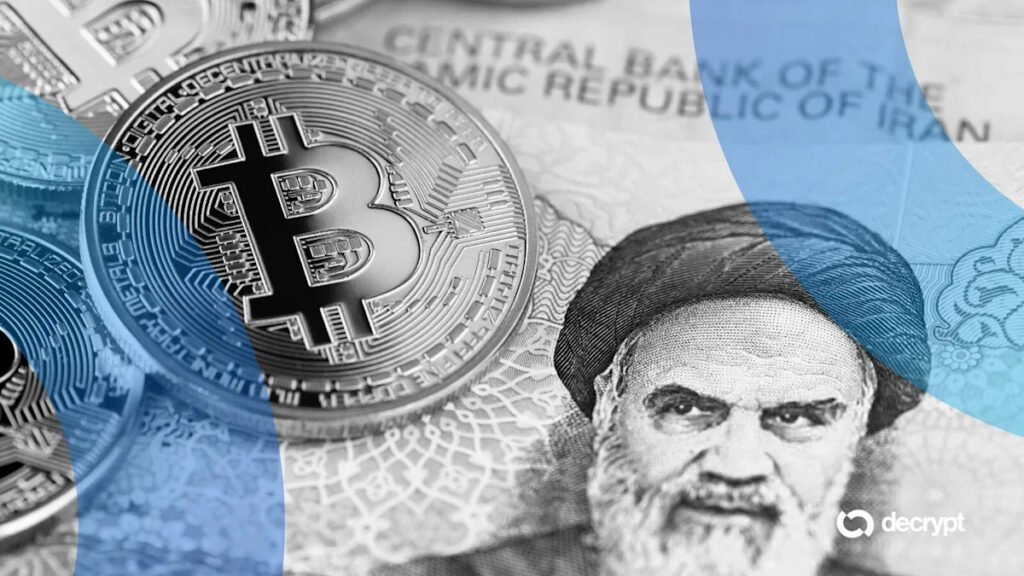
Scammers are adopting increasingly sophisticated methods to exploit vulnerabilities in international shipping. A recent alert from Greek maritime risk firm MARISKS reveals that unknown actors are impersonating Iranian authorities to target shipping companies with fraudulent payment demands. These demands require payments in cryptocurrencies like Bitcoin and Tether's USDT stablecoin for transit clearance through the Strait of Hormuz, a crucial maritime passage that has become a focal point in the ongoing tensions between Iran and the United States.
The scammers send messages that promise safe passage through the strait, stating, "After providing the documents and assessing your eligibility by the Iranian Security Services, we will be able to determine the fee to be paid in cryptocurrency (BTC or USDT). Only then will your vessel be able to transit the strait unimpeded at the pre-agreed time." Such tactics capitalize on the existing uncertainties in the area, making them particularly alarming.
MARISKS indicated that at least one vessel, which was fired upon by Iranian boats while attempting to exit the strait during a brief reopening, had already fallen victim to these fraudulent fees. This highlights a dangerous intersection of maritime security and cryptocurrency fraud that shipping companies must navigate.
The Growing Threat
This warning follows Iran's recent move to require tolls for passage through the strait to be paid in cryptocurrencies, purportedly to ensure that the fees "can’t be traced or confiscated due to sanctions." However, the effectiveness of this crypto toll system remains unclear, with TRM Labs, a blockchain forensics firm, reporting that no on-chain data has indicated any significant use of cryptocurrency for Hormuz transit fees since the announcement.
Despite the lack of verifiable activity, the risks for shipping companies are tangible. As Isabella Chase, head of policy for Europe, the Middle East, and Africa at TRM Labs, pointed out, "Iran-linked actors have a well-documented history of using cryptocurrency to circumvent traditional financial controls." Any wallet address associated with these demands must be considered "high-risk" until confirmed through blockchain intelligence.
Chase also warned that unwittingly making payments to sanctioned entities could carry legal repercussions under OFAC regulations. “Crypto payments offer no safe harbour from that exposure,” she cautioned. Companies are advised to conduct thorough blockchain intelligence checks on any wallet before transferring funds and to consult with sanctions experts before acting on payment demands.
Currently, tanker traffic through the Strait of Hormuz is significantly lower than pre-war levels, remaining below 5% of previous volumes since Iran reimposed restrictions on April 18. Predictive markets reflect a cautious optimism regarding the resumption of normal shipping, with users on Polymarket placing the odds at roughly 28% for a return to usual traffic levels this month, while a slightly more optimistic 64% on Myriad anticipate an average of more than 15 ships transiting the strait by May.
The fact remains that engaging with these fraudulent demands, irrespective of whether the recipient is genuinely Iranian or not, poses a significant risk. As Xue Yin Peh, head of investigative strategy and collection at Chainalysis, noted, “the intent to transact with a sanctioned regime is present.” Any payment that reaches Iran, even through a scam, could constitute a sanctions violation under regulations from the OFAC, the EU, and the UK.
Peh emphasized that paying a scammer instead of actual Iranian authorities does not eliminate exposure to sanctions. Regulators might still scrutinize a company's intent to pay what it believed was a sanctioned regime. “Beyond sanctions, the company remains a victim of fraud,” he explained, warning that funds may still end up in the hands of sanctioned actors or those involved in other illicit activities.
Given the absence of clear information on how Iran is managing cryptocurrency tolls, the best defense against such scams remains vigilance. Companies should verify payment demands through official channels, consult maritime security advisers, and treat urgent payment pressures as red flags. The intersection of cryptocurrency and maritime security is a landscape fraught with risks, and as this story unfolds, it's crucial for shipping companies to proceed with caution.
Is Your Dinner Contributing to Climate Catastrophe? Shocking Food Security Stats Inside!

You Won’t Believe What DEKA and Lycan Fitness Just Unveiled in Their Shocking Two-Year Partnership!
You Won't Believe What Happened When This Influencer Tried to Access Her Own Account!

You Won't Believe What Happened When We Ordered Gwyneth Paltrow's $500 Delivery Menu!

Tonight’s NBA Showdown: Jayson Tatum’s Shocking Prop Bet You Can’t Ignore! Will It Make or Break Your Wallet?

Unlock the Secret: 7 Louisiana Startups Ready to Explode—Don’t Miss Out on This Goldmine!
You might also like: