Insurance Rates Skyrocket: Who's Really Paying the Price for Climate Change? Shocking Truth Revealed!

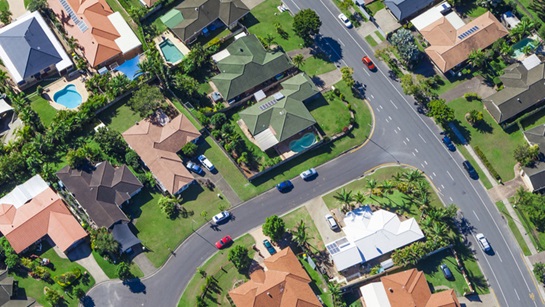
A new survey by Charles Sturt University in Australia reveals a stark division among Australians regarding the payment of surging insurance premiums driven by climate change. Conducted by public opinion firm Roy Morgan Research, the survey draws insights from approximately 2,000 Australians on their attitudes towards life in a warming world.
According to the findings, public opinion is split down the middle: about half of the respondents support implementing a levy on carbon-polluting industries to help fund the increasing home insurance premiums, particularly in areas prone to disasters. This reflects a growing recognition of the financial burdens associated with climate risks. However, there is widespread agreement that insurance companies are inflating their charges, using extreme weather events as justification for significant premium hikes.
“The results signal a deep-seated distrust of a major financial institution. Home insurance has become framed in public conversation as a matter of fairness rather than actuarial calculation,” said Clive Hamilton, Professor of Public Ethics at Charles Sturt University.
The survey also highlights the complexities surrounding the insurance landscape in disaster-prone regions. When asked whether individuals living in such areas who cannot secure home insurance should relocate instead of seeking government subsidies or support from other policyholders, responses were mixed: 32% felt that moving was the appropriate solution, while 39% disagreed, asserting that government assistance is justified. The remainder remained undecided.
Interestingly, empathy levels varied among demographics. Women and individuals who are more concerned about climate change expressed greater sympathy towards those denied insurance coverage. Among political affiliations, voters of the Green party exhibited the highest levels of empathy, while those who are unconcerned about climate change or who deny its existence are more likely to believe that individuals should assume responsibility for their own climate-related risks.
This survey sheds light on a pressing issue that resonates not just in Australia but globally, as climate change increasingly affects insurance markets. The rising frequency and intensity of natural disasters linked to climate change have led to higher claims and, subsequently, soaring premiums. In the United States, similar patterns can be observed, with insurers facing pressure to adjust pricing models that reflect a changing climate.
As climate change continues to influence weather patterns and increase the risk of disasters, the insurance industry will likely face increasing scrutiny regarding its practices. The challenge remains: how to balance the financial realities of climate risk with equitable solutions for those most affected by these changes. This survey underscores that as climate issues become more pressing, public opinions are evolving and may drive future policies in both Australia and beyond.
Ultimately, the discourse surrounding insurance premiums tied to climate change will require a collaborative approach involving policymakers, the insurance sector, and the public to foster sustainable solutions that address these emerging challenges.
Free Vaccines on March 7: Why This Life-Saving Event Might Be Your Last Chance!

Trump’s SHOCKING Return to the White House: What He Did from Mar-a-Lago Will Leave You SPEECHLESS!

Is Your AI Trustworthy? Shocking Truth Behind ArbaLabs' Groundbreaking Discovery!

Dollar & Bonds Soar Amid Shocking War News—Is Your Portfolio Safe from the Chaos?

Sibling Showdown: Will Fano or the Styles Brothers Outshine at the NFL Combine? Shocking Stats Revealed!

Scream 7 Shatters Records: Discover How $64 Million Opened a New Horror Era!
You might also like: