Indigenous Leaders Reveal Shocking Truth: How Environmental Crisis Endangers Your Health!

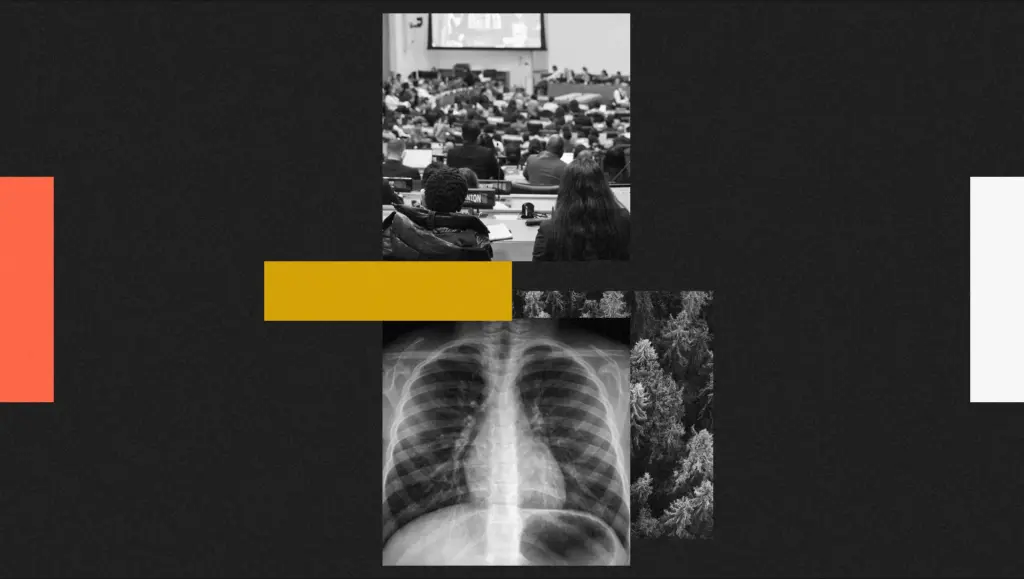
At the recent United Nations Permanent Forum on Indigenous Issues, a growing consensus emerged that Indigenous health is inextricably linked to the health of ecosystems. Experts highlighted that environmental degradation, extractive industries, and climate change are not just external challenges but significant contributors to health inequalities facing Indigenous communities around the world.
Geoffrey Roth, a former member of the Permanent Forum and a descendant of the Standing Rock Sioux, presented a compelling study that critiques the fragmented approach of UN agencies. According to Roth, these organizations often tackle health, environmental, and land rights issues in isolation, a strategy that has historically failed Indigenous Peoples. He asserts that “environmental degradation, climate change, and biodiversity loss” should be viewed as direct manifestations of injury to Indigenous well-being, rather than mere abstract problems.
“For Indigenous peoples, health is deeply tied to the health of the land,” Roth explained. “It’s not just about access to clinics or medicine — it’s about clean water, healthy forests, traditional foods, and the ability to maintain cultural practices.”
The forum, which runs from April 20 to May 1, has become a platform for Indigenous leaders to voice their concerns about how worsening environmental crises are exacerbating health issues. Minnie Grey, former executive director of the Nunavik Regional Board of Health and Social Services in northern Canada, emphasized the link between climate change and the health of her community. “We are people of the Arctic: We need the ice, we need the snow, and we need the wildlife that depend on it. Our hunters and people rely on these animals that sustain our food systems and nutrition,” she said.
Another study presented by former Permanent Forum members, including Roth, explored the disproportionate effects of armed conflicts on Indigenous communities. These conflicts are often fueled by competition for natural resources, leading to the displacement of Indigenous Peoples, disruption of their agricultural livelihoods, and the erosion of cultural cohesion, which culminates in intergenerational health crises.
“These impacts add to existing inequalities, which is why Indigenous communities are often hit hardest,” Roth noted, stressing that environmental damage is a primary driver of health issues.
Roth's study also highlights how climate change acts as a “risk multiplier,” amplifying pressures on biological, ecological, and social systems. Extreme weather events, such as droughts and floods, not only degrade water quality but also heighten the risk of waterborne diseases and undermine hygiene. Additionally, these climate-related disasters are increasingly linked to mental health issues within Indigenous communities. Reports indicate rising rates of depression, substance abuse, and new diagnoses like “ecological grief” and “climate anxiety,” particularly among Indigenous youth witnessing the transformation of their ancestral environments.
In regions like Alaska, severe storms such as Typhoon Halong have forced the relocation of entire Indigenous communities, effectively severing their ties to traditional food sources and weather forecasting practices. This displacement contributes to heightened vulnerabilities and an overall decline in health.
Furthermore, biodiversity loss, particularly in places like the Munduruku territory in Brazil, impacts food availability, leading to nutritional inequalities and chronic health issues linked to mercury pollution and ecological destruction caused by illegal mining. “The situation is even more serious for Indigenous peoples in voluntary isolation,” said Ginny Alba Medina, an Indigenous leader from Colombia’s Amazon, highlighting the unique threats they face from external intrusions.
“For them, the right to health begins with absolute respect for the principle of no contact,” Medina added, warning that external pressures could trigger deadly epidemics.
Roth argues that a more interconnected approach is essential for improving Indigenous health, one that integrates land, culture, and self-determination as core components. He urges UN agencies to align their efforts across sectors and enhance Indigenous leadership in these areas.
Recent attacks on Indigenous Batwa communities in the Democratic Republic of the Congo (DRC) illustrate the urgent nature of these discussions. Reports indicate that these assaults, linked to armed groups attempting to control valuable natural resources, add another layer to the environmental and health crises faced by Indigenous Peoples. Since late 2021, the DRC has seen a marked increase in deforestation, losing an estimated 3,019 acres of forest in 2023 alone. This loss is not just an environmental issue; it significantly restricts access to land and resources essential for maintaining health and cultural practices.
Wilton Littlechild, a Cree chief and lawyer, underscored the necessity of legal recognition for Indigenous territories as a fundamental step toward safeguarding both health and biodiversity. “Indigenous people have these treaties which are tools to protect their health,” he affirmed. The World Health Organization's draft Global Plan of Action echoes this sentiment, calling for support for “Indigenous-led ecosystem stewardship and nature-based approaches that safeguard health.” However, the consideration of this plan has been delayed until 2027.
As discussions continue, advocates stress that the health of Indigenous Peoples is inseparable from land tenure, biodiversity, food sovereignty, and self-determination. Without acknowledging these connections, efforts to meet global climate and biodiversity goals will inevitably fall short. Ruth Mercredi, an elder and traditional healer, poignantly captured the current predicament: “Today, we are getting sick of the water, of the food, of the air. We have to now be mindful of that when we didn’t have to before.”
How Julia Gillard's Carbon Tax Catastrophe Cost Australia $X Billion and Ruined Climate Policy Forever!
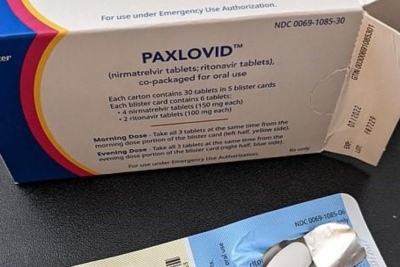
Paxlovid FAILS: Shocking New Study Reveals 0% Impact on Hospitalizations for Vaccinated High-Risk Patients!

Unlock the Secret: How 90% of Users Transformed Their Skin and Shed Pounds with This One Peptide Trick!

Unlock Hidden Wealth: 4 Shocking Sources of Stock Gains You’re Ignoring—Are You Missing Out?

You Won’t Believe What Turkey’s Social Media Is Hiding – Shocking Truth Revealed!

Virginia's Democrats Gain Ground—But Are Voters About to Pay a Shocking Price? Find Out Now!
You might also like: