
Google's Shocking Move with Marvell: What This Could Mean for Your Tech Future!

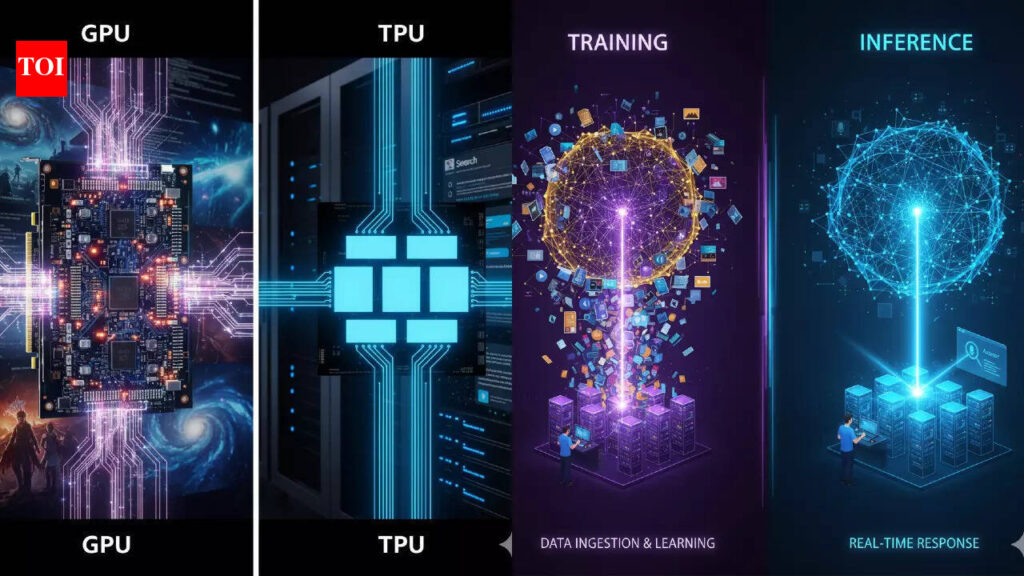
In a significant move that may reshape the landscape of artificial intelligence (AI) hardware, Google is reportedly in talks with Marvell Technology to develop advanced versions of its custom AI processors. This partnership aims to create specifically designed chips known as ASICs (Application-Specific Integrated Circuits), tailored for AI inference tasks—where AI models generate responses for users. The news comes as a boon for Marvell, whose shares surged by 5.5% during early trading on April 20.
The potential collaboration highlights Google's ongoing expansion into AI hardware, a strategic shift that could introduce competition for its long-time partner, Broadcom. Historically, Broadcom has been instrumental in providing the technology underlying Google's renowned Tensor Processing Units (TPUs), which power its AI infrastructure. However, sources indicate that while this new venture with Marvell may seem threatening to Broadcom, the latter's position is not immediately at risk. Google and Broadcom recently solidified their partnership with an agreement extending through 2031.
This move toward Marvell could enhance Google's negotiating power with Broadcom, allowing the tech giant to push back against fees and lessen its dependency on a single supplier for its AI hardware needs. The shift is particularly relevant as Google opens its AI infrastructure to competitors, enabling companies like Meta and Apple to leverage its specialized TPUs for training their models. Notably, Apple has chosen Google's technology to enhance its revamped Siri, signaling the growing importance of AI in consumer products.
Meanwhile, Anthropic, a key player in the AI space, recently announced a partnership with Google and Broadcom, securing multiple gigawatts of next-generation TPU capacity that is projected to come online starting in 2027. This highlights the increasing demand for robust AI capabilities as companies race to innovate.
The decision to collaborate with Marvell aligns with Google's broader strategy to maintain competitiveness in the rapidly evolving AI arms race. As the costs associated with electricity and computing power escalate, developing specialized chips becomes crucial for sustaining AI services efficiently and affordably. This trend underscores a significant transition as businesses integrate AI into their operations, driving an urgent need for scalable and cost-effective solutions.
As millions of users worldwide engage with AI technologies daily, the implications of this partnership could extend well beyond chip manufacturing. By diversifying its hardware arsenal, Google aims to keep its upcoming Gemini AI competitive against formidable rivals such as Microsoft and OpenAI.
In this context, the collaboration between Google and Marvell not only represents a pivotal moment for both companies but also signals a transformative period for the entire tech industry. As AI continues to evolve, the choices companies make today regarding their hardware partnerships will shape the future landscape of technology, determining who leads in innovation and market share.
St. Johns County Real Estate: Are Prices About to Skyrocket? Shocking March Numbers Revealed!
Sanofi’s New COVID Vaccine: Why Experts Say It Might Change Everything You Thought You Knew!

Bulgaria's Election Shock: Can the Progressive Party Resist Russia's Hidden Influence? What Happens Next?

Sonu Sood Reveals Shocking Secrets Behind His Fitness Routine—You Won't Believe What He Risks!

Discover the Shocking Truth: 6 Cybersecurity MVP Developers That Could Save Your Startup!

You Won't Believe How 10,000 Kids in Sierra Leone Are Battling for Their Futures Right Now!
You might also like: