
Bulgaria's Election Shock: Can the Progressive Party Resist Russia's Hidden Influence? What Happens Next?

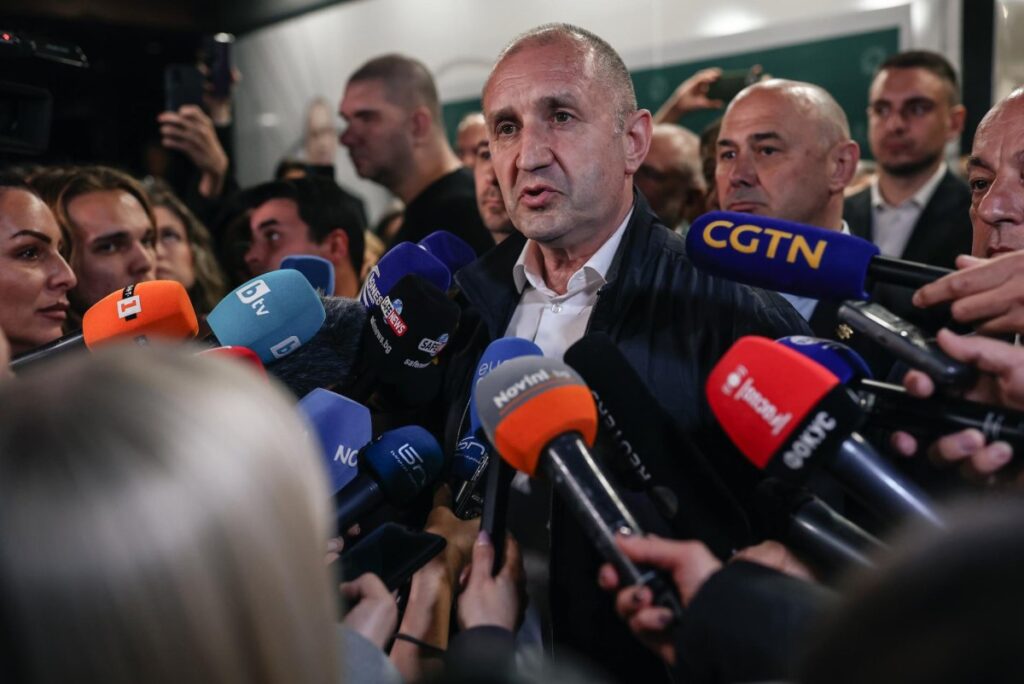
In a significant political shift, former President Rumen Radev's Progressive Bulgaria Party has claimed victory in Bulgaria's latest parliamentary elections, marking the nation's eighth general election since 2021. With most seats counted, Radev's coalition is projected to secure a parliamentary majority of at least 135 seats. This outcome comes after Prime Minister Rosen Zhelyazkov resigned on December 11, 2022, just ahead of a no-confidence vote called by the opposition amid tension over Bulgaria's accession to the Eurozone.
The election results reveal a decisive rejection of the ruling Democratic Bulgaria-People's Party coalition and the GERB party, led by three-time former Prime Minister Boiko Borisov. Radev, 62, has positioned himself as a proponent of friendlier relations with Russia and has openly criticized European Union sanctions related to the ongoing conflict in Ukraine. His coalition's victory aligns with efforts by leaders like former Hungarian Prime Minister Viktor Orban, who sought to block a $105 billion loan to Ukraine, signaling a potential shift in Bulgaria’s foreign policy.
In a victory speech, Radev expressed gratitude to voters, stating,
“People rejected the self-satisfaction and arrogance of old parties and did not fall prey to lies and manipulation. I thank them for their trust.”
He committed to fostering a “strong Bulgaria in a strong Europe,” emphasizing the need for critical thinking and pragmatic policies to bolster Europe's security architecture and industrial competitiveness.
The political landscape in Bulgaria has drawn global attention, particularly in the wake of Orban's defeat. Analysts suggest that Bulgaria could become a focal point for Moscow's influence within the European Union. Former Bulgarian ambassador to Russia, Ilian Vassilev, noted,
“The Russians are very, very keen to at least partially compensate for the loss of Orban in Hungary.”
He articulated concerns that Bulgaria might fill the role vacated by Hungary in influencing EU decisions.
In the lead-up to the election, digital campaigns promoting Radev surged, with TikTok accounts using the hashtag “#rumenradev” experiencing growth at 60 times the rate of rival campaigns. Monitoring firm Sensika Technologies reported that Radev's campaign amassed over 5.5 million views in a little over two months. However, the source of this online momentum is under scrutiny, with some experts suspecting possible Kremlin involvement in orchestrating this digital support.
Concerns regarding foreign interference were echoed by the Sofia-based Center for the Study of Democracy, which has been monitoring online influence on electoral outcomes. Although there is no concrete evidence linking Radev's social media activity to a coordinated Russian campaign, the apprehension remains palpable. Radev himself has accused Brussels of attempting to sway the election results through a special unit aimed at countering disinformation and external meddling.
Despite the electoral mandate, Radev faces the challenge of forming a coalition government, as he falls short of the two-thirds majority needed to implement key reforms, including legislation aimed at protecting the judiciary from political pressure. The pro-Western center-left Democratic Bulgaria party is considered the most likely partner as Radev seeks to navigate these political waters.
As Bulgaria grapples with its evolving political identity and relationships within Europe, the implications of this election will likely resonate beyond its borders. With an eye on both domestic stability and international alliances, Radev’s administration now has the responsibility of steering the nation through a complex and shifting geopolitical landscape.
Sonu Sood Reveals Shocking Secrets Behind His Fitness Routine—You Won't Believe What He Risks!

Discover the Shocking Truth: 6 Cybersecurity MVP Developers That Could Save Your Startup!

You Won't Believe How 10,000 Kids in Sierra Leone Are Battling for Their Futures Right Now!

Italy's Soccer Star Apologizes as Nation Faces SHOCKING Third World Cup Failure—What Happens Next?

You Won’t Believe What Shocking Revelations Defined Arts & Entertainment in 2025-26! Discover the Untold Truths!

This Shocking Vanguard ETF Just Split! Discover the 1 Stock You MUST Buy Before It's Too Late!
You might also like: