
Elon Musk Drops a Bombshell: You Won't Believe What He Just Said About Covid Vaccines!

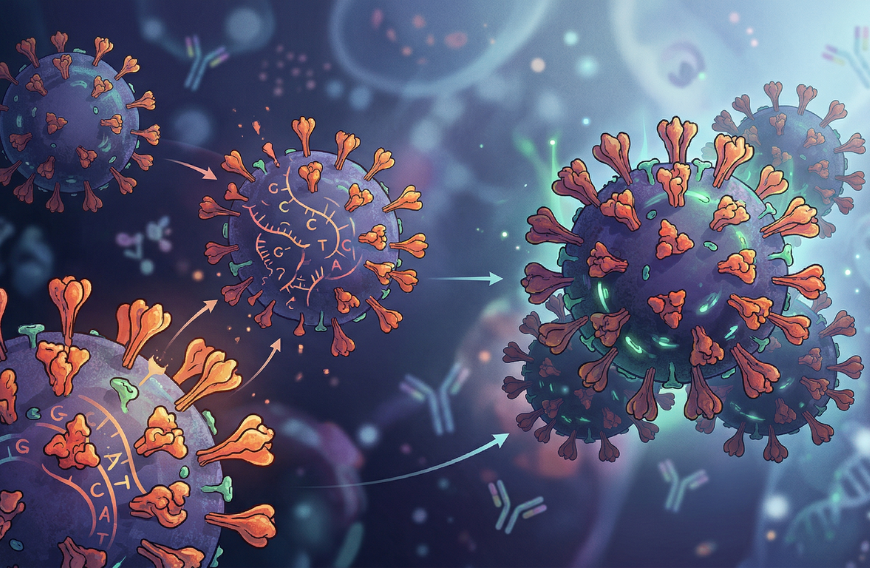
Elon Musk recently took to his social media platform, X (formerly Twitter), to express his controversial views about COVID-19 vaccines, casting doubt on their safety based on his own experience. In a response to a post by user PeterSweden (@PeterSweden7), Musk stated, “The vaccine dosage was obviously too high and done too many times. I had the original Wuhan virus before there was any vaccine and it was much like any other cold/flu. Bad, but not terrible. But my second vaccine shot almost sent me to the hospital. Felt like I was dying.” This personal account adds a layer of anecdotal evidence to the heated debate surrounding the vaccines.
The original post that Musk responded to claimed that a former head of toxicology at Pfizer in Europe suggested that between 20,000 to 60,000 people in Germany may have died as a result of the COVID-19 vaccine. Allegedly presented during a parliamentary inquiry in Germany, the claim raised eyebrows, particularly among those skeptical of mainstream vaccine narratives. The post questioned why such significant allegations were not making headlines, implying a conspiracy to suppress information due to media funding ties to entities like Bill Gates.
Musk's engagement with this controversial content is not an isolated incident. He has previously commented on various aspects of vaccine safety, regulatory processes, and the swift development timeline of COVID-19 vaccines. His pronouncements have reignited discussions around vaccine safety, especially regarding side effects reporting systems and the challenges of balancing public health measures with individual risk assessments.
Joining Musk in the conversation, Rep. Marjorie Taylor Greene also expressed her support for anti-vaccination sentiment, stating, “Countless numbers of people have died from the COVID vaccines. Many live with vaccine injuries. Women have had miscarriages. Their FDA approval must be revoked and they need to be entirely taken off the market. I had Covid early in March of 2020, was only sick a few days. I never took the vaccine because the vaccine risks were much higher than the actual virus.” Greene's comments exemplify a broader movement among some lawmakers and activists aiming to challenge vaccine mandates and advocate for personal choice in health matters.
This public discourse illustrates how health issues can become increasingly politicized, especially when influential figures use their platforms to share personal experiences or promote controversial claims. The implications of such statements are significant; they can shape public opinion rapidly, particularly in a climate where risk and uncertainty regarding health interventions are already heightened. Anecdotes from high-profile individuals like Musk and Greene can amplify doubts about vaccine efficacy and safety, potentially impacting public health efforts.
Moreover, this trend raises questions about the role of social media in disseminating health information. Platforms like X can serve as both a forum for open discussion and a breeding ground for misinformation. The challenge remains for public health officials to effectively communicate scientific consensus while navigating a landscape filled with conflicting narratives.
As the conversation continues, it becomes ever more crucial for readers to critically evaluate the information they encounter online. Understanding the complexities of vaccine development and the nuances of public health policy is essential for making informed decisions. As the pandemic evolves and new data emerges, staying informed through reputable sources will be vital for both individual and community health.
Trump's Shocking White House Move: DoorDash Drivers Get VIP Treatment—Will Your Tips Disappear?

Shocking Bodycam Footage Reveals Dark Secrets Behind Florida Governor Candidate's Arrest!

Shocking Upset! Shoremen Rowing Faces Unexpected Rivalry at Donahue Cup – You Won't Believe the Outcome!

Thunder’s Shocking Playoff Odds Skyrocket—Are the Spurs and Celtics Already DOOMED? Find Out Why!
CDC's Shocking Delay: What the Acting Director Won't Tell You About the COVID Vaccine Report!

Shocking U of A Study Reveals How Better Weather Forecasts Could Save THOUSANDS from Deadly Heat Waves!
You might also like: