
Could 600,000 Lives Be Saved? The Shocking Truth Behind Malaria Vaccines and Funding Cuts!

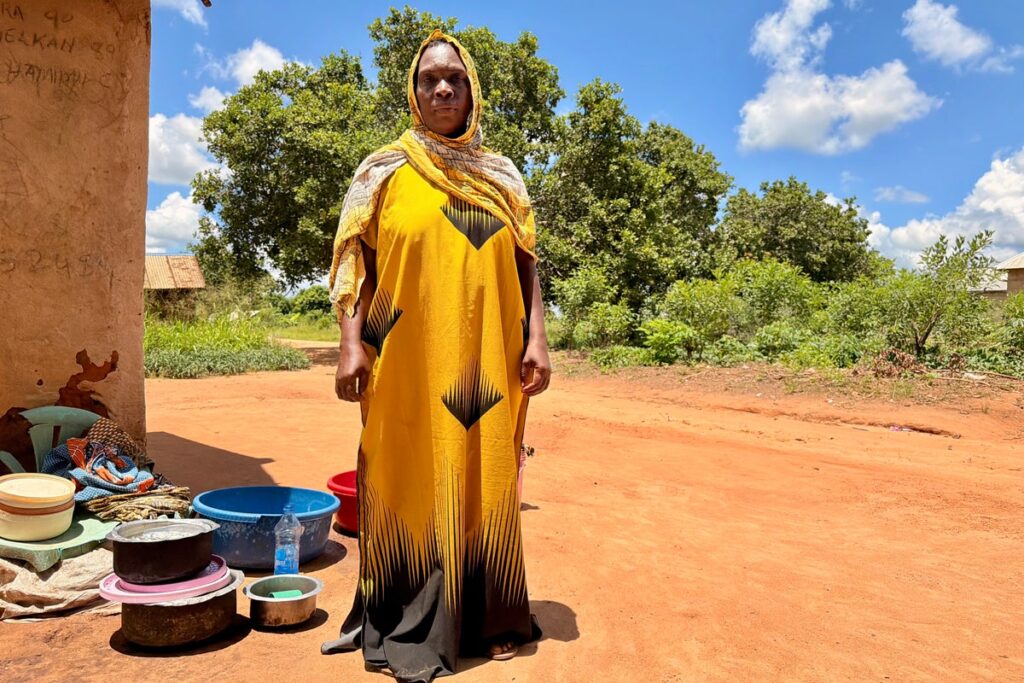
In the villages of Tanzania, the sound of revving motorbikes—known locally as boda bodas—serves as a vital lifeline for the local economy, transporting goods across challenging dirt roads. A recent study highlighted that nearly 90 percent of vehicles on rural Tanzanian roads are motorcycles, underscoring their significance in daily life. However, the death of a motorcycle mechanic in the village of Mwavi from malaria has left a profound void in this community. “He told us he had a terrible headache, so he went to the hospital, and they gave him some pills,” recalls Mgeni, a mother of five. “When he didn’t improve, he went back, but they told him it was too critical, so he was lost. It is very sad because he was such a big part of the community.”
Tanzania remains one of the countries hardest hit by malaria, with a population of 70 million accounting for about four percent of global malaria deaths. The latest statistics reveal that in 2024, there were 9.4 million malaria cases and approximately 26,000 deaths in the country. This is especially troubling given the existence of effective treatments and preventative measures, such as sleeping under insecticide-treated bed nets.
Despite these grim numbers, Mwavi has seen a remarkable decline in malaria cases over the past five years, with Mgeni estimating a reduction of about 90 percent. This positive shift can largely be attributed to the village’s participation in a field trial for the R21 malaria vaccine, developed by the Oxford University Jenner Institute. First approved for use by the World Health Organization in 2023, the vaccine has shown promising results. Mgeni’s six-year-old daughter was part of the trial, and her claims about the vaccine's transformative impact have been corroborated by Dr. Angela Gwakisa, the clinician overseeing the work in the Bagamoyo district. “We have definitely seen a reduction in malaria in our data over the past five years, and that has only improved as we have given out booster doses,” Dr. Gwakisa explains.
While the trial only included children, the vaccine has also benefited adults by halting the spread of malaria parasites. This is particularly crucial given that most infections occur when an infected mosquito bites a person. The cycle of infection can continue for weeks, but with the vaccine in use, many residents are hopeful. Notably, one mother even gifted Dr. Gwakisa 21 pineapples—an expression of gratitude for the vaccine's success in the community.
However, amidst this optimism, challenges loom. Tanzania’s health services have faced severe setbacks due to significant cuts in foreign aid, particularly from the United States and the United Kingdom. This reduction has been particularly damaging for programs focused on HIV/AIDS, maternal health, and malaria. According to one analysis, the closure of the U.S. Agency for International Development (USAID) alone resulted in a loss of $216 million in aid to Tanzania. Reports suggest that around 5,000 healthcare workers involved in HIV and malaria prevention programs have been impacted, leaving communities in a precarious situation.
Residents like Mgeni and Amina, also a mother involved in the vaccine trial, have noticed the absence of USAID-branded vehicles that used to distribute mosquito nets and medications. “They no longer come,” Amina says, highlighting the growing concern about the availability of essential malaria treatments within the community.
With the Bagamoyo vaccine trial nearing completion, the results will soon be reviewed by health authorities. While the R21 vaccine is already being implemented in countries like Nigeria and Ghana, questions remain about whether the Tanzanian government will be able to afford its integration into the national childhood immunization program. “In terms of safety, I can 100 percent testify as the lead clinician of the study that the vaccine is safe,” Dr. Gwakisa asserts. However, she adds, “The question that is hanging over us is how ambitious the government will be in terms of their aim to eliminate the disease, and how much they are prepared to budget in order to reach all the remote parts of the country.”
Dr. Maxmillian Mpina, a Tanzanian research scientist overseeing a trial for another malaria vaccine developed by GlaxoSmithKline, echoes these concerns. He warns that continued aid cuts will likely hinder Tanzania's ability to combat malaria effectively. “We expect to see impacts continuing in the years to come because the government messed up its budget due to the sudden loss of funding from the aid cuts,” he explains.
The broader implications of these funding cuts extend beyond vaccine trials. The Ifakara Health Institute, one of Africa’s leading disease research organizations, which oversees both Dr. Gwakisa and Dr. Mpina’s trials, has also experienced financial strain. Following the termination of a USAID program worth $15 million annually, many research initiatives have been postponed, with scientists expressing fears about the potential long-term effects on malaria solutions. Dr. Brian Tarimo, a research scientist at Ifakara, notes that the funding cuts have caused a ripple effect, hampering various malaria research streams.
Dr. Sarah Moore, who evaluates mosquito control products, shares that funding has been “decimated” across the institute. “I have sat in on meetings with the Tanzanian government where we have been trying to figure out how to get enough bed nets to cover the population,” she states, emphasizing the dire need for sustained funding to combat malaria effectively.
Even before the cuts, the $3.9 billion invested annually in malaria eradication was less than half of the $9.3 billion required to stay on track for eradication, as per the World Health Organization (WHO). This gap is likely to widen as funding decreases, making it increasingly challenging to address key risk factors such as climate change, population growth, and insecticide resistance.
Moreover, organizations like Medicines for Malaria Venture (MMV), which have been crucial in developing new antimalarial drugs, rely on donor support to ensure the affordability of their medicines. MMV’s CEO, Martin Fitchet, emphasizes the importance of consistent financing for both health systems and research and development. “If you stop funding the health systems, people will die today, and if you stop funding the R&D, people will die tomorrow,” he cautions, warning against the dire consequences of funding cuts on malaria treatment and prevention efforts.
As Tanzania grapples with the dual challenges of recent funding cuts and the ongoing threat of malaria, the hope for a healthier future rests not only on innovative vaccines like R21 but also on the commitment to adequately fund healthcare systems capable of delivering these lifesaving interventions.
SpaceX, OpenAI, and Anthropic’s $240B IPO: How This Shocking Move Could Crash Crypto!
You Won’t Believe What Happens When You Try to Access This Forbidden Page! 7 Shocking Secrets Revealed!

US Accuses Chinese AI Labs of Stealing Secrets—Is Your Data at Risk After DeepSeek V4?
Historic Vote Alert: Palestinians Head to Polls for First Election Post-Gaza War—What’s at Stake?

Is Your Smartphone Missing This $2000 Telephoto Lens? Discover What It Can Do Before It's Too Late!

XRP vs. Ethereum: A Shocking Twist You Won’t Believe Just Unfolded! What Happens Next Will Change Everything!
You might also like: