
US Accuses Chinese AI Labs of Stealing Secrets—Is Your Data at Risk After DeepSeek V4?

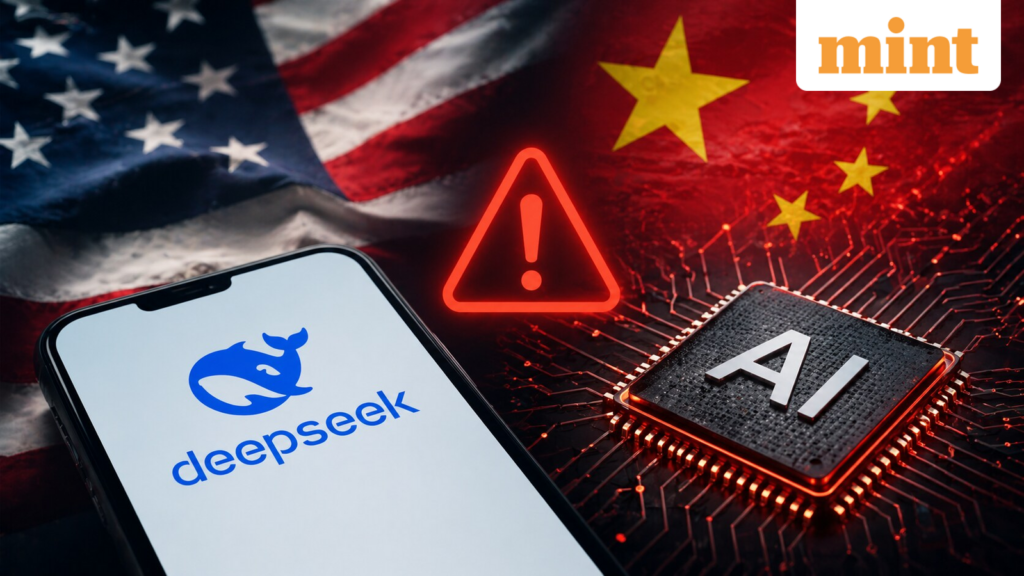
The United States has embarked on a significant diplomatic initiative, raising concerns about intellectual property theft predominantly attributed to Chinese artificial intelligence (AI) companies. This move follows the recent resurgence of the Chinese AI startup DeepSeek, which has launched its highly anticipated V4 model, designed to be compatible with Huawei chip technology. This new model claims to perform comparably to leading AI systems like Gemini 3.1 Pro and GPT-5.4 across various tasks.
According to a diplomatic cable obtained by Reuters, this warning was disseminated to U.S. diplomatic missions worldwide. It instructs officials to engage with their foreign counterparts regarding "concerns over adversaries' use and distillation of U.S. AI models." Notably, the cable specifically mentions DeepSeek, alongside other Chinese firms such as Moonshot AI and MiniMax, in relation to these unauthorized practices.
The technique of distillation involves training a smaller AI model to mimic the outputs and behavior of a more sophisticated one, ultimately aiming to reduce development costs. While these distilled models can appear to perform well on certain benchmarks, the State Department warns that they do not match the full capabilities of the original systems. The cable emphasizes that "AI models developed from surreptitious, unauthorized distillation campaigns enable foreign actors to release products that appear to perform comparably on select benchmarks at a fraction of the cost but do not replicate the full performance of the original system."
The diplomatic cable serves a twofold purpose: to alert foreign governments about the risks involved in utilizing these AI models and to establish a framework for potential follow-up actions from the U.S. government. Following this initiative, a separate demarche request has been directed at Beijing to address these concerns directly with Chinese officials.
The timing of these allegations coincides with a planned visit by U.S. President Donald Trump to meet with Chinese President Xi Jinping in Beijing in the coming weeks, making this diplomatic push even more critical. The White House had raised similar allegations earlier this week, although the details contained in the cable had not been previously disclosed.
The Chinese Embassy in Washington has categorically dismissed these accusations, calling them "groundless" and framing them as deliberate attempts to undermine China's advancements in the AI sector. The embassy's spokesperson stated, "The allegations that Chinese entities are stealing American AI intellectual property are groundless and are deliberate attacks on China's development and progress in the AI industry."
While DeepSeek has remained silent regarding the latest controversy, the startup previously claimed that its V3 model relies on naturally occurring data gathered through web crawling, rather than synthetic data generated by OpenAI.
This ongoing geopolitical and technological dispute underscores the intensifying competition between the U.S. and China in the AI sector. As nations race to establish dominance in this critical area, concerns about intellectual property rights and the integrity of technological advancements are likely to shape future diplomatic engagements.
The implications of these developments extend beyond mere accusations; they highlight a growing divide in how nations view technological innovation and the ethical considerations surrounding it. As the U.S. seeks to protect its intellectual property, it also sets a precedent for how global AI standards may evolve, potentially impacting collaborations and partnerships across borders.
Historic Vote Alert: Palestinians Head to Polls for First Election Post-Gaza War—What’s at Stake?

Is Your Smartphone Missing This $2000 Telephoto Lens? Discover What It Can Do Before It's Too Late!

XRP vs. Ethereum: A Shocking Twist You Won’t Believe Just Unfolded! What Happens Next Will Change Everything!
UMN's Shocking AI Drones Could Change Climate Change Forever—Are You Ready for the Impact?

Shocking 2026 NBA Draft Surprises: Why Cameron Boozer and Darryn Peterson Could Change Everything!

Lachy Groom’s Shocking $200M Bet on India’s Startup Pronto — What Happens Next Will Astonish You!
You might also like: