
College Students Are Risking Their Futures: Shocking $1,000 Bets That Could Ruin Everything!

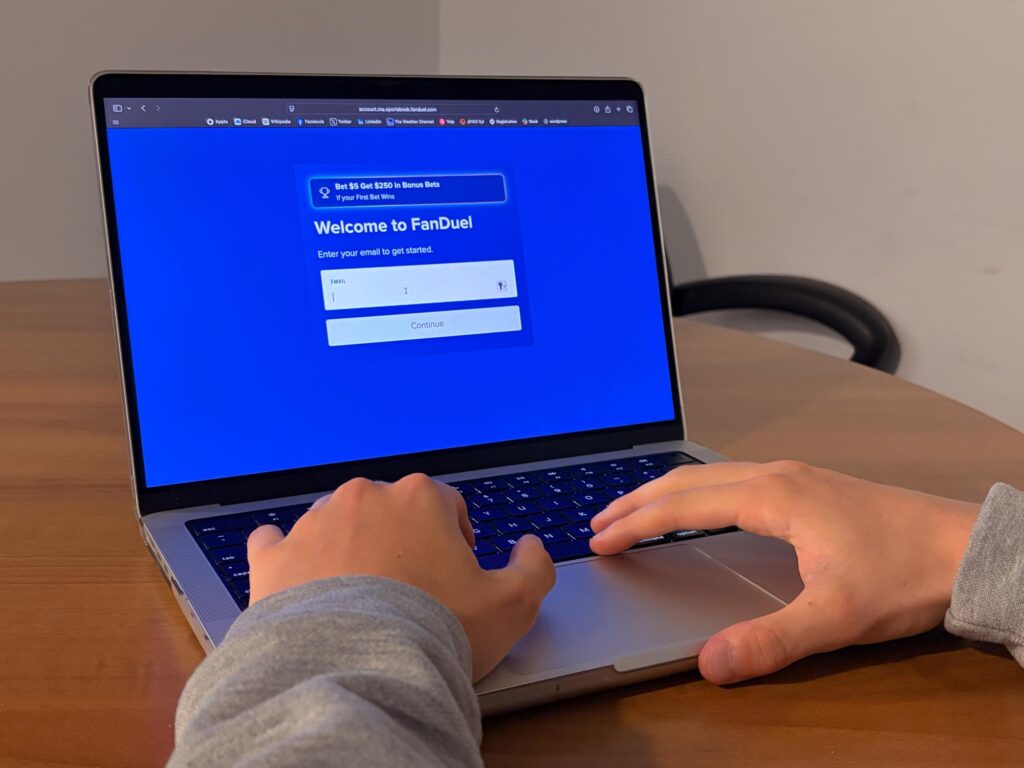
As college campuses buzz with excitement this fall, one trend is hard to miss: the omnipresence of sports betting. Walk onto almost any college campus, and you'll likely encounter conversations about a bad bet, someone boasting over a parlay win, or a student checking their phone for updates on a late West Coast NBA game. According to a 2023 survey from the National Collegiate Athletic Association (NCAA), a staggering 58% of individuals aged 18–22 have participated in sports betting, with the number climbing to 67% for students living on campus. This phenomenon isn't isolated to major institutions; even places like Emerson College are not immune to the betting culture.
“For me, it’s mostly a way to make boring games entertaining,” said Logan Braden, a junior majoring in sports communication. “It can be two teams I don’t care about at all, like the Colorado Rockies and St. Louis Cardinals, throw a couple bucks on a no-run first inning, and my buddies and I are watching it like our life is on the line.”
The ease of access to sports betting may largely contribute to its prevalence on college campuses. A few taps on a smartphone can lead students to platforms like DraftKings, FanDuel, or BetMGM. Within minutes, they can deposit money and place bets. These apps are engineered to keep users engaged, featuring constant notifications about changing odds, “boosted” promotions, and options for same-game parlays that create a sense of urgency and excitement around betting.
In fact, 63% of students living on campus recall seeing sports betting advertisements, with 58% admitting that these ads influence their likelihood to place a bet. These marketing efforts often include visuals during sports broadcasts, commentary discussing parlays, and enticing promotions for “risk-free” bets. The constant barrage of advertising makes betting a routine part of life for many young adults.
Notably, only six states in the U.S. allow individuals to bet at the age of 18. In Massachusetts, for instance, the legal betting age is 21, which means that a significant segment of the student population is engaging in activities that are technically illegal. Yet, some universities appear to be promoting sports betting culture. The University of Louisiana Baton Rouge signed a deal with Caesars Sportsbook in 2021, effectively encouraging student engagement with betting, regardless of the legal age restrictions.
The social aspect of sports betting also plays a significant role in its appeal. According to the same NCAA survey, betting is seldom a solitary activity. Friends regularly share picks, compare bets, cheer for wins, and commiserate over losses. This transforms betting into a shared experience, one that resonates well with the communal nature of college life.
“I won a $10 bet on the New York Knicks the other day, and since then I’ve been trying to use that money I won to win more,” Braden noted. “I can never bet a large amount because if I lose, I’ll never forgive myself.”
However, the rise in sports betting is not without its concerns. The New York Council on Problem Gambling highlights that young adults are one of the fastest-growing groups in sports betting, but they are also among the most vulnerable to developing gambling problems. A 2025 study from the University of Mississippi finds that college students face a higher risk for problem gambling due to factors like stress, financial pressure, and peer influence.
This doesn't necessarily imply that sports betting is inherently harmful. For some students like Braden, it remains a casual activity. A few bucks here and there adds an extra layer of excitement to being a sports fan without significantly impacting their lives. “I think it can actually be a fun thing if you do it every once in a while, and control the amount of money you waste on it,” he said.
What is clear is that sports betting is here to stay, particularly on college campuses where it occupies a nuanced space. For some, it is a form of entertainment, while for others, it may develop into a more serious issue. For students like Braden, it’s a blend of both. “It’s a love-hate relationship for me, which is funny because I never seem to win, but I still find myself doing it,” he reflected. “It’s like a lottery ticket; you know you probably won’t win, but the process of it is a thrill that keeps you coming back.”
Shocking Bus Rollover Halts Marquette-QND Soccer Game—What Really Happened?
Shocking Move: HHS's Bold Appeal Could Overturn Kennedy's Controversial Vaccine Policies—Find Out What’s at Stake!

Nut Butter Bar Market Skyrockets 200%—What’s Fueling This Surprising Healthy Snack Craze?

You Won't Believe Why DeAndre Jordan's Teammate of the Year Title Is Causing Controversy!

Ballet Arkansas Shocks Audience with ‘Origins’ — Don’t Miss This Unforgettable Night in North Little Rock!
ACLU Unleashes Shocking Plan to Combat Voter Confusion—Are You Prepared for June's Primary?
You might also like: