
College Sports in Crisis: How ONE Controversial Ruling Could Change Everything!

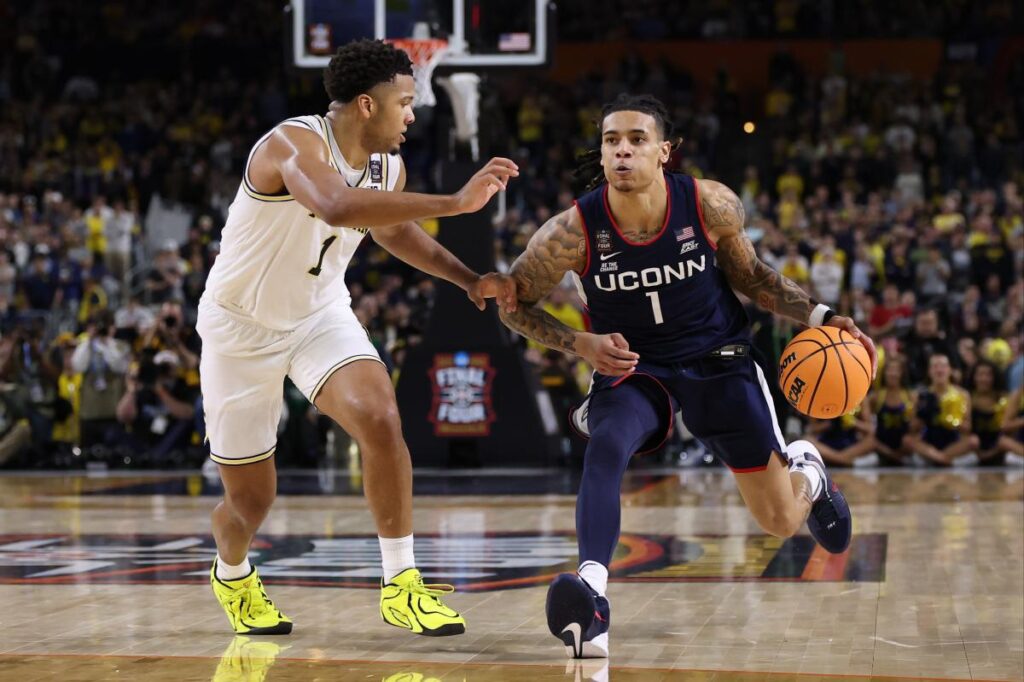
If President Trump is looking for evidence that college sports need serious reform, he need look no further than a recent legal situation unfolding in a California federal court. A magistrate judge may soon have the authority to influence the chaotic financial landscape of collegiate athletics. This could complicate the White House's efforts to restore order to a system increasingly marred by financial misconduct.
In response to the challenges posed by the "Name, Image and Likeness" (NIL) system, Trump has appointed the Saving College Sports Roundtable, a commission co-chaired by Randy Levine, president of the New York Yankees, and Ron DeSantis, governor of Florida. Their mission is to propose new legislation aimed at curbing the unintended consequences of NIL deals that have disrupted collegiate sports.
One significant concern for the roundtable is how colleges are currently vying for top athletic talent by diverting donor funds away from academic initiatives. This practice occurs through booster clubs—school-affiliated organizations that raise money to attract student-athletes. While the current system is flawed, it does have a safeguard in place: the College Sports Commission, which caps annual distributions to student-athletes from booster organizations at $20.5 million. This was established as part of a class-action lawsuit known as the House Settlement that helped form the existing NIL framework.
However, critics allege that some lawyers are attempting to exploit a loophole that could allow for "third-party NIL deals" to bypass this cap. Such deals involve sports marketing firms like PlayFly and Learfield, which facilitate lucrative media rights arrangements for athletes. The commission argues that these groups should also be subject to the $20.5 million limit since they work closely with the schools, unlike private companies that deal directly with the athletes.
In an interview, Levine expressed concern about the potential ramifications of these legal maneuvers. He emphasized that the roundtable is making headway and enjoys bipartisan support for necessary reforms. Yet, he warned that if the legal challenge succeeds, it could plunge college sports into even greater chaos, accelerating financial challenges for institutions. “The latest attempt to circumvent NIL enforcement, if successful, will throw college sports into further chaos and accelerate colleges’ financial decline,” Levine stated. “We cannot have magistrate judges running college sports.”
The lawyers representing the plaintiffs argue that these NIL agreements are valid and not subject to oversight by the College Sports Commission, as they involve legitimate third-party entities not directly connected to the institutions. “The House settlement agreement is a negotiated deal among the NCAA, the conferences, and class of athletes, approved by the court,” said Jeffrey Kessler, co-executive chairman of Winston & Strawn and co-lead counsel on the House settlement case. “If those payments come from an affiliated entity, then it is subject to review, but if the payment doesn’t come from a booster, then it is just free-market payment and that is the deal.”
This debate raises an important question: Who could oppose student-athletes benefiting from the wealth they generate? As the NIL landscape evolves, the risk is that a new type of school-sponsored third-party deal could become common, exacerbating the existing problem of athletes switching schools for bigger endorsement deals. Since the landmark 2021 antitrust case, House v. NCAA, which allowed student-athletes to profit from sponsorships, the financial dynamics have shifted dramatically. The result? A high-stakes bidding war that threatens to destabilize the very fabric of college sports.
While college football and basketball players can now secure multimillion-dollar deals, other sports, including those that support Olympic athletes, are feeling the strain. Smaller institutions face significant disadvantages in trying to attract talent, often having to allocate funds they can't afford in a desperate attempt to keep pace.
As the situation continues to unfold in court, it underscores the urgent need for comprehensive reform in collegiate athletics. Stakeholders from all sides must grapple with the realities of a system that has spiraled out of control, threatening to undermine both the integrity of college sports and the educational mission of these institutions.
This Startup is Racing to Create 10,000 Humanoid Soldiers—Will They Replace Humans in Battle?

You Won't Believe the Shocking Real Estate Deals That Shook Fox Chapel Last Week!
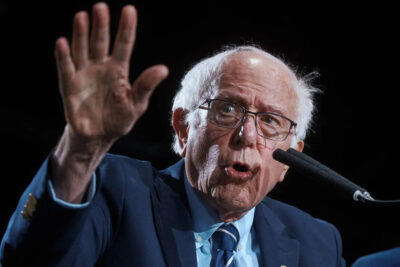
Bernie Sanders Drops SHOCKING AI Warnings from Top Scientists—Is Humanity at Risk? Find Out NOW!
Fatah's Shocking Win in 2026 Elections: What This Means for Palestine's Future!

You Won't Believe What Happens When This Rooster Takes Center Stage—A Comedy with a Jaw-Dropping Twist!
Warren Buffett’s Shocking McDonald’s Coupon Date with Bill Gates: What He Revealed About True Wealth!
You might also like: