
This Startup is Racing to Create 10,000 Humanoid Soldiers—Will They Replace Humans in Battle?

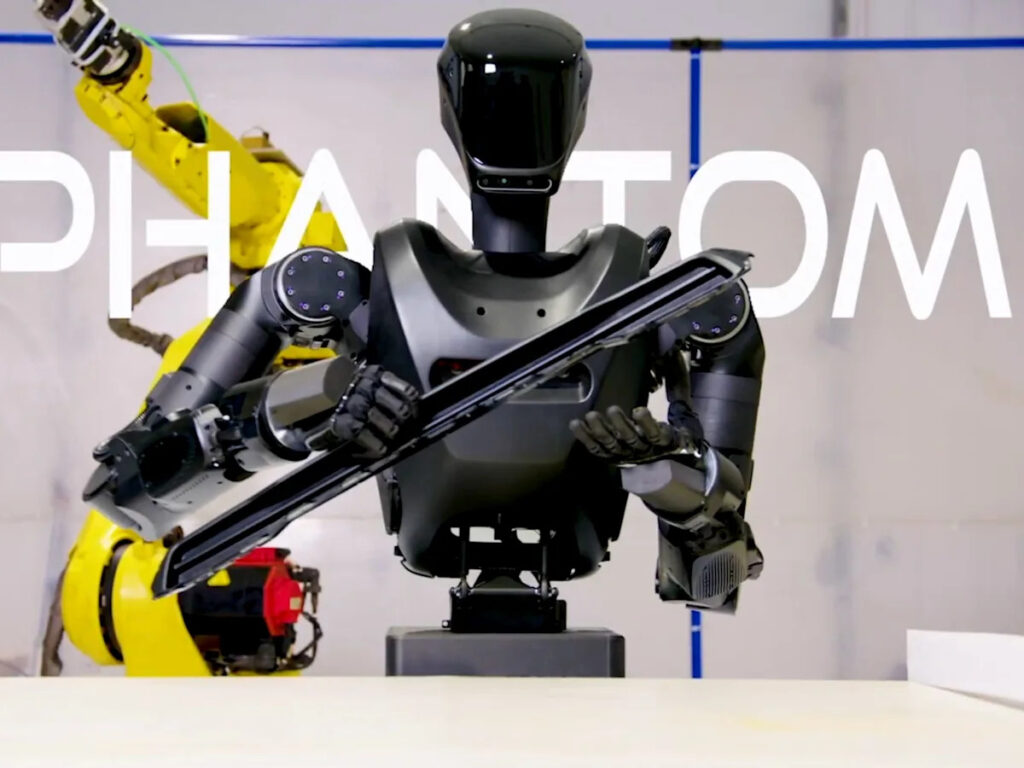
In a notable advancement in the intersection of technology and warfare, the startup Foundation is pioneering the development of general-purpose humanoid robots. With the recent deployment of two of their robots to Ukraine for a real-world demonstration, the potential for these machines to reshape military operations is becoming more tangible. This initiative comes at a time when advancements in robotics and drone technology are rapidly transforming the landscape of modern warfare.
CEO Sankaet Pathak believes that humanoid robots could take on dangerous roles traditionally held by human soldiers. "I thought all of this stuff around home use was kind of stupid," Pathak stated in an interview with Business Insider. "I feel like people can make the coffee and fold their laundry. I was like, 'We need to do something else.'" His vision is rooted in a "moral imperative" to deploy humanoid robots on the front lines rather than relegating them to household tasks.
Pathak pointed out that current military approaches often involve "brute force," which can result in significant collateral damage and loss of life. He envisions a future where humanoid robots could perform "surgical" operations—tasks requiring precision, such as reconnaissance and logistics—thereby reducing risks to human soldiers. This transition to automated warfare is not without its challenges, as the technology must evolve to ensure reliability and effectiveness in combat scenarios.
Foundation's recent trial in Ukraine focused on demonstrating the robots' ability to manage supply logistics in a combat zone. "You can hear bombs go off. You can hear electricity get cut," Pathak described. The robots were tasked with "supply pickup," showcasing their capacity to transport goods from outside to inside, thus minimizing exposure to gunfire for soldiers. The demonstration attracted considerable interest, with a spokesperson for Foundation noting that the startup has secured a $24 million contract with the Pentagon.
Addressing Limitations and Ethical Concerns
Despite the promising demonstration, Pathak cautioned against overestimating the current capabilities of humanoid robots. Key limitations remain, including battery life, durability, and the intricacies of reliable manipulation—essential for tasks such as handling weapons. "Right now, the big engineering hurdle is how do you build a highly-dextrous hand that is reliable," he explained.
Pathak predicts that these engineering challenges could be surmountable within the next few years, allowing humanoid robots to undertake complex missions like target extraction within a five to ten year timeframe. However, ethical dilemmas surrounding autonomous weaponry loom large. The question of accountability arises when machines take on lethal roles, potentially without human oversight. Pathak emphasized the need for human involvement in critical decision-making, especially concerning the use of force: "In ordinary circumstances, you probably want a human in the loop before any kind of kill action is invoked."
The defense industry at large continues to push the boundaries of robotics and autonomous weaponry as a matter of national security. As noted by Palmer Luckey, cofounder of Anduril, maintaining a technological edge over adversaries like China is imperative. Recent statements from U.S. military leaders indicate that America’s lead in AI technology may only be six months to a year ahead of China, underscoring the urgency of these developments.
Foundation stands out for its openness regarding the application of humanoids in combat. Pathak argued that, given the geopolitical landscape, it is crucial for Western nations to seriously consider integrating this technology into their military operations. "Courage comes in limited supply," he remarked, suggesting that nations like the U.S. and its allies must remain vigilant as potential adversaries advance their own military capabilities.
As the battlefields of the future are redefined by technology, the implications of deploying humanoid robots could be profound. The potential to save lives—both civilian and military—while enhancing operational efficiency is enticing. However, the ethical dimensions of such a transformation remain a complex issue that will require careful consideration as this technology progresses.
You Won't Believe the Shocking Real Estate Deals That Shook Fox Chapel Last Week!

Bernie Sanders Drops SHOCKING AI Warnings from Top Scientists—Is Humanity at Risk? Find Out NOW!
Fatah's Shocking Win in 2026 Elections: What This Means for Palestine's Future!

You Won't Believe What Happens When This Rooster Takes Center Stage—A Comedy with a Jaw-Dropping Twist!
Warren Buffett’s Shocking McDonald’s Coupon Date with Bill Gates: What He Revealed About True Wealth!
You Won't Believe What This Celebrity Just Revealed—The Shocking Truth Behind Their Legal Issues!
You might also like: