
Builder Confidence Plummets: Are Rising Material Costs About to Cripple the Housing Market?

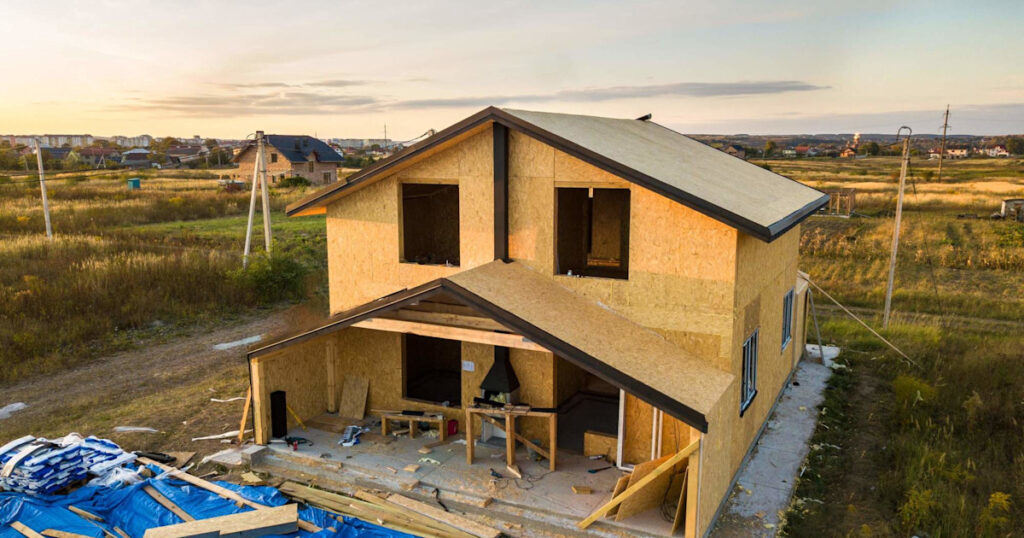
The construction industry is facing significant headwinds as builders grapple with rising material costs and a slow housing market. According to a recent survey by the National Association of Home Builders (NAHB), builder confidence dropped four points to 34 in April—the lowest level since September. This decline highlights ongoing economic concerns, as the index has remained below the crucial midpoint of 50 for the past two years, fueled by uncertainties surrounding tariffs and elevated interest rates.
One of the primary factors impacting builder sentiment is the escalating cost of materials, which has been exacerbated by surging fuel prices linked to geopolitical tensions, notably the war with Iran. In the NAHB survey, nearly two-thirds (62%) of respondents indicated that these rising fuel costs are driving up their building material expenses. Furthermore, 70% of builders reported difficulties in pricing homes due to the unpredictable nature of these costs.
The most recent price index report for new residential construction revealed a 1.2% increase in building costs from February, with a year-over-year surge of 3.8%. Specifically, building materials saw a 0.4% increase between February and March and a substantial 3.1% climb year-over-year. These statistics underline the financial strain that builders are experiencing as they attempt to navigate the complexities of the current market.
Despite these challenges, there could be a glimmer of hope later this year. The U.S. Department of Commerce has signaled a potential reduction in tariffs on Canadian softwood lumber, which could drop from the current rate of 35.16% to 24.83%. A final decision regarding these tariffs is expected within the next 120 days, offering builders a possible respite if implemented.
In addition to skyrocketing costs, the sluggish spring homebuying market has exacerbated issues for builders. Both new and existing home sales have plummeted significantly, contributing to the industry's sense of unease. "The year started with hopes for housing momentum growth, but risks with respect to the Iran war, energy costs, and declines in consumer confidence have slowed the market," stated NAHB Chairman Bill Owens.
The NAHB index, which gauges builder confidence, includes three key components: current single-family home sales, sales expectations for the next six months, and prospective buyer traffic. The April survey revealed particularly dismal buyer traffic, which came in at 22—marking the lowest level since September and showing that this metric has not exceeded the midpoint since May 2022. This drop suggests that fewer potential buyers are engaging with new housing options, further dampening builder sentiment.
Geographically, the confidence levels among builders varied significantly. Builders in the Northeast exhibited the most optimism, with an index score of 42. The Midwest followed closely at 41, while the South scored 35, and the West lagged at just 29. With all four regions scoring below 50, this data indicates that builders across the country view current conditions as more "poor" than "good."
As the construction industry prepares for what is traditionally the peak season, the combination of rising material costs, economic uncertainty, and a slow housing market paints a challenging picture for builders. The upcoming months will be crucial as stakeholders in the housing sector await potential shifts in policy and market dynamics that could either alleviate or exacerbate the current situation.
Is This the Moment Iran and the U.S. Edge Closer? Shocking Talks Scheduled in Islamabad!

Trump’s Shocking Claim: Iran War Nearly Over! What This Means for Your Wallet—Don't Miss Out!

Reno's Shocking New Stadium Plans: Will They Change Northern Nevada Forever? You Won't Believe What’s Coming!

S&P 500 Soars to Shocking All-Time High Amidst Iran Conflict – What Investors Must Know NOW!

Swalwell’s Shocking Exit: Will Mahan Seize His Golden Chance to Flip the Governor’s Race?

Vaccination Success in Africa at Risk? Shocking US Aid Cuts and Iran War Could Cost Millions!
You might also like: