
Is This the Moment Iran and the U.S. Edge Closer? Shocking Talks Scheduled in Islamabad!

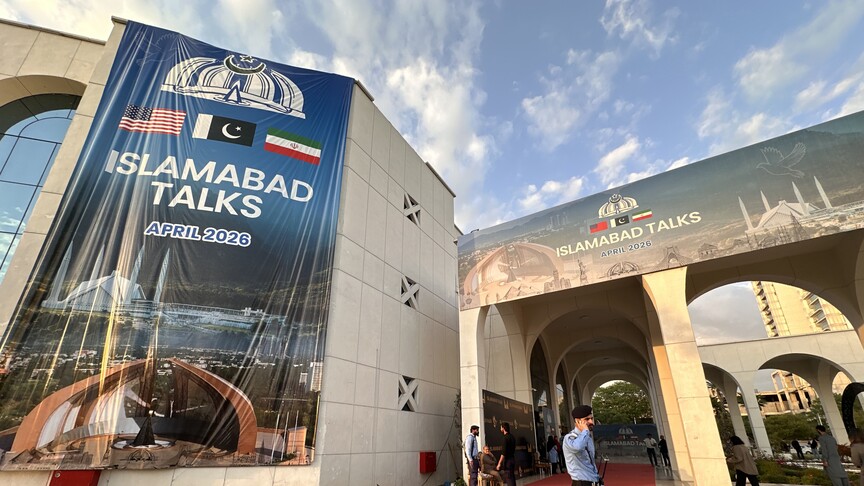
As tensions continue to simmer in the Middle East, the United States is poised for its next round of negotiations with Iran regarding ceasefire discussions. White House spokeswoman Karoline Leavitt announced on Wednesday that these talks are expected to take place in the Pakistani capital. Leavitt's remarks come amid ongoing scrutiny and speculation regarding the nature of U.S. involvement in the negotiations.
In a press briefing, Leavitt described the upcoming discussions as likely to mirror the previous talks held between the two nations. "They would very likely be in the same place as they were last time," she stated, indicating that the outcome may resemble past attempts at dialogue. This assertion highlights the precarious nature of U.S.-Iran relations, which have been fraught with complexities and historical grievances.
Leavitt also addressed rumors circulating in the media, particularly claims that the U.S. had formally requested an extension of the current ceasefire. She categorically dismissed these allegations as "bad reporting," asserting, "That is not true. At this moment, we remain very much engaged in these negotiations." This response underscores the administration's intent to maintain a narrative of active engagement rather than concession.
President Donald Trump and Vice President JD Vance have both echoed sentiments of optimism regarding the negotiations, referring to them as "productive and ongoing." This characterization suggests that the administration is working to create a positive outlook on the talks, which may be crucial as they navigate the intricate web of international diplomacy involving Iran.
The backdrop of these negotiations is significant. The U.S. has long positioned itself in opposition to Iran's nuclear ambitions, which it views as a direct threat to both regional stability and U.S. interests. The potential for a renewed ceasefire represents not only a diplomatic opportunity but also a chance to address broader issues of security and cooperation in the region.
As the situation develops, the implications for American citizens remain considerable. Heightened tensions with Iran could lead to increased military engagement or sanctions, which may ultimately affect economic conditions domestically. Conversely, successful negotiations could pave the way for a more stable Middle East, potentially benefiting U.S. interests abroad.
In conclusion, the upcoming negotiations in Pakistan will be closely monitored not only for their immediate outcomes but also for their broader ramifications in U.S.-Iran relations and regional stability. As both sides prepare to engage, the world watches, hopeful for a resolution that could alleviate decades of tension.
Trump’s Shocking Claim: Iran War Nearly Over! What This Means for Your Wallet—Don't Miss Out!

Reno's Shocking New Stadium Plans: Will They Change Northern Nevada Forever? You Won't Believe What’s Coming!

S&P 500 Soars to Shocking All-Time High Amidst Iran Conflict – What Investors Must Know NOW!

Swalwell’s Shocking Exit: Will Mahan Seize His Golden Chance to Flip the Governor’s Race?

Vaccination Success in Africa at Risk? Shocking US Aid Cuts and Iran War Could Cost Millions!

You Won't Believe Which Key Defensive Tackle Could Ruin the Lions' 2026 Draft Plans!
You might also like: