
Are 70% of Europeans Unprepared for the Climate Crisis? Shocking Truth Revealed!

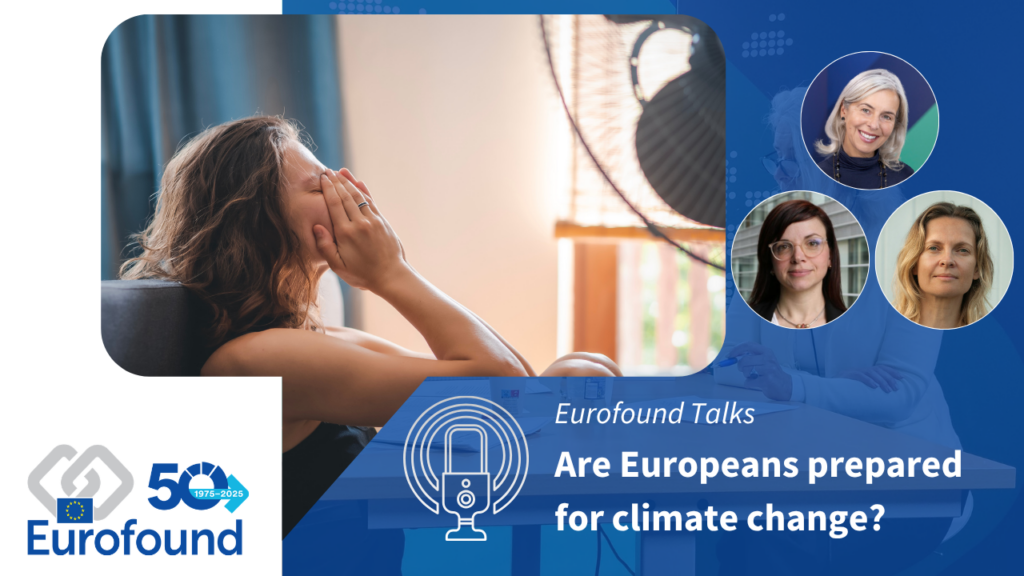
As climate change increasingly shapes the lives of Europeans, a new report sheds light on the vulnerabilities faced by many residents, especially renters. The latest episode of Eurofound Talks features an in-depth discussion between Mary McCaughey, Aleksandra Kazmierczak from the European Environment Agency (EEA), and Marianna Baggio from Eurofound. Their conversation focuses on the findings of a joint report titled Overheated and Underprepared: Europeans’ Experience of Living with Climate Change.
The report draws on data from Eurofound’s 2025 Living and Working in the EU e-survey, which surveyed 27,000 respondents across various Member States. The results reveal that a staggering 80% of Europeans have felt the impact of extreme weather. However, there exists a substantial gap between these risks and people's ability to cope. Notably, 38% of Europeans overall report being unable to afford to keep their homes cool. This figure becomes even more concerning among financially vulnerable households, where the number rises to two-thirds.
Baggio highlights the specific challenges faced by renters, stating, “There is a mismatch in incentives.” Many renters lack the agency to implement necessary resilience measures like insulation, while property owners may not have the financial incentive to invest in improvements. This renter's trap is further complicated by high energy prices and the risk of "renovictions"—a term used to describe evictions that occur following property renovations, often pushing tenants out of their homes in a squeezed housing market.
Regional disparities also play a significant role in the experience of climate change across Europe. Southern Europe is particularly susceptible to heatwaves and wildfires, while northern and western parts face challenges with flooding and high winds. Interestingly, respondents from central and eastern Europe reported higher levels of individual and local authority preparedness compared to their western counterparts. This suggests a potential difference in awareness and proactive measures being taken in various regions.
As the conversation progresses, both Kazmierczak and Baggio emphasize that individual awareness is not enough. To effectively tackle the issues at hand, there is a pressing need for collective policy action. This includes the introduction of progressive grants that do not require high upfront costs, updated building regulations, and urban greening initiatives to protect populations living in densely populated "cement block" environments.
The implications of these findings are significant, not just for Europe but for anyone observing the broader impact of climate change on global housing and urban development. As climate extremes become more frequent, the pressure on vulnerable populations will only intensify, highlighting the urgent need for policy frameworks that prioritize affordability, resilience, and equity.
The episode of Eurofound Talks is available for streaming on platforms like Spotify and YouTube, providing an accessible way to engage with these critical discussions regarding climate resilience and housing.
Your Browser is Holding You Back: Discover the Shocking Reason 85% of Users are at Risk!
Trump’s Shocking Gesture to Oklahoma State Golf Champs: You Won't Believe What He Said!

70% of Americans Believe Dangerous Health Myths – Are You One of Them? Find Out Now!

MAHA's Shocking Grocery Aisle Takeover: Are You Missing These 5 Game-Changing Products?

Is Your Vote Really Counted? Find Out Why April 28 Could Change Everything!
Shocking Study Reveals How Vaccines Could Boost Your Family's Lifespan by 30 Years—Don't Miss Out!
You might also like: