
Antarctica's Deep Ocean Warms 3x Faster Than Expected—What This Means for Our Future!

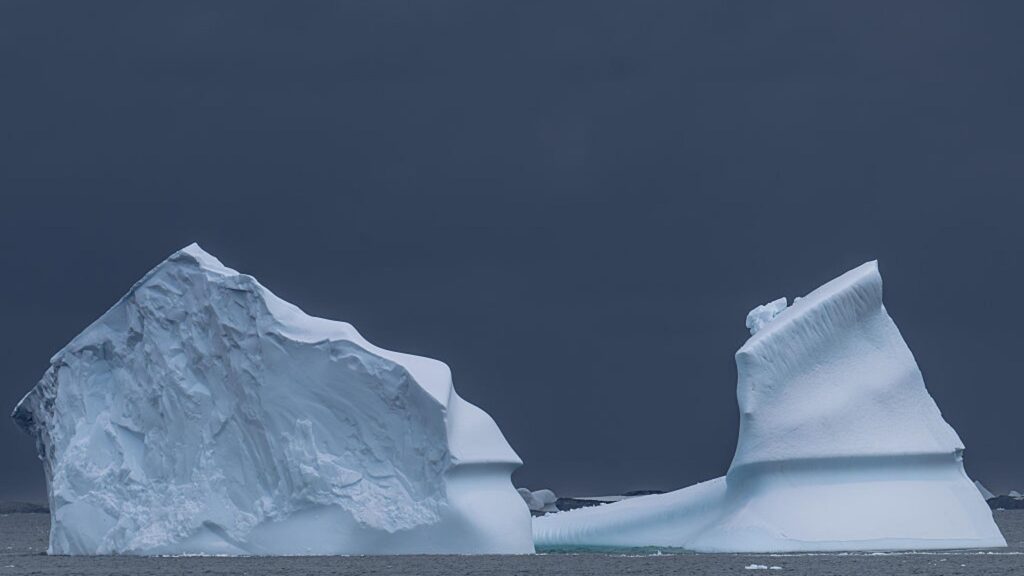
The peril facing Antarctica's ice shelves is escalating, and recent findings from researchers illuminate the growing threats linked to climate change. According to Dr. Mashayek, a prominent researcher in the field, there is “extensive, accumulated observational evidence that the ice shelves are more and more in danger.” Importantly, the study indicates an observable trend of increasing heat reaching the Antarctic region, exacerbating the existing vulnerabilities of these critical ice formations.
Since 1880, global average sea levels have risen by approximately eight to nine inches, a trend that is accelerating primarily due to the melting of glaciers and ice sheets, which adds substantial volumes of water to our oceans. As ice melt from Antarctica continues, the risk of coastal flooding rises, posing significant threats to communities worldwide and increasing the likelihood of more intense storms. This issue is not just an environmental concern; it directly affects millions of people living in coastal areas across the United States and beyond.
The Antarctic ice sheets, along with the Southern Ocean, play vital roles in regulating the global climate system. Their stability is crucial for maintaining climate patterns globally, including significant phenomena like El Niño. The implications of changes to the ice mass in Antarctica are profound, as the alterations can ripple through various climate systems, affecting weather patterns and conditions on a global scale.
Moreover, a separate study released earlier this month has raised alarms regarding the Atlantic meridional overturning circulation (AMOC), a critical system of global ocean currents. This study found that AMOC is closer to collapse than previously understood, slowing down as air temperatures in the Arctic rise due to global warming. A collapse in this circulation could lead to alarming consequences, including a significant rise in Atlantic sea levels, altered tropical rainfall patterns essential for agriculture, and increased exposure for parts of Europe to extreme cold winters and prolonged droughts during summer.
These findings highlight the urgency of addressing climate change and understanding the interconnectivity of global systems. As scientists continue to uncover the ramifications of shifting climates, the need for actionable solutions becomes increasingly clear. The stability of ice shelves, the health of ocean currents, and rising sea levels are not isolated issues; they are all interconnected components of a larger environmental puzzle that demands immediate attention and collaborative efforts globally.
Social Media Bans Are Failing: Discover the Shocking Truth Behind 80% of Users Still Thriving!

Is Your Next Smartphone Going to Copy the iPhone 20? Shocking Secrets Behind China’s Bold Move!

Are Rodents Taking Over? Shocking Climate Data Reveals Alarming Trends You Must Know!

You Won't Believe Kristen Kish's Secret Breakfast Hack That Keeps Her Energized During 'Top Chef' Filming!

Cullman Boys Stun Randolph in Epic 3-2 PK Shootout—Will This Shocking Win Change the Playoffs Forever?

Meta's Shocking $2B AI Bid Rejected by China: What This Means for Tech's Future!
You might also like: