
Airports to Snag $1B for Shocking Upgrades—Is Your Terminal on the List?

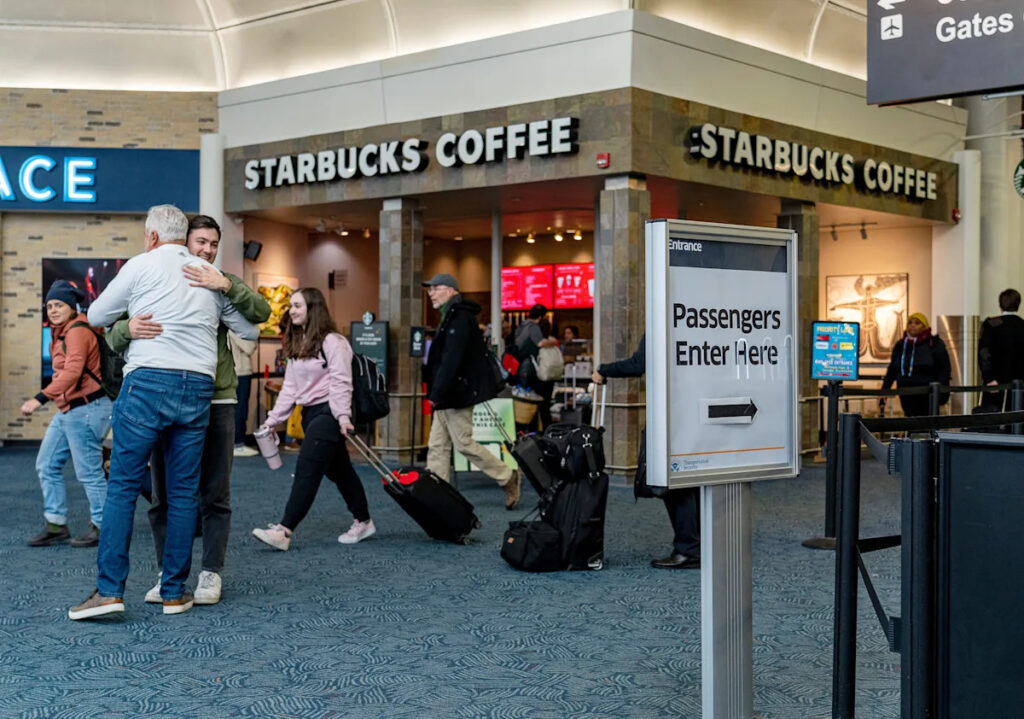
The U.S. Department of Transportation (DOT) has announced an initiative that aims to enhance the travel experience for families and promote healthier choices at airports. This new grant program will allocate a total of $1 billion to airports that wish to implement family- and health-friendly improvements. Such enhancements could include upgrades to nursing facilities for breastfeeding mothers, the expansion of family lanes at security checkpoints, and the installation of exercise equipment in terminals.
During a press conference held at the Ronald Reagan Washington National Airport on December 8, Transportation Secretary Sean Duffy emphasized the intention behind this program. He stated that the guidelines for the grants would be kept intentionally vague to encourage creativity in proposals. "This is not about mandates. This is not about requirements," Duffy explained. "This is a conversation about: Could we offer healthier options? Could we support nursing mothers? How can we make the experience, as we all travel together, just a little bit better?"
Also present at the event was Health Secretary Robert F. Kennedy Jr., along with social media influencers and an executive from Farmer's Fridge, a company known for its healthy food vending machines. The presence of these influencers signaled a broader movement toward promoting wellness in travel. In a light-hearted moment, Kennedy and one of the influencers, Paul Saladino, encouraged attendees to engage in physical activity right at the airport by demonstrating pull-ups on newly installed bars. While Kennedy urged Duffy to join them, the Secretary appeared hesitant.
Duffy also took the opportunity to reach out to the CEOs of major U.S. airlines, urging them to consider providing healthier food and beverage options during flights. This initiative aligns with a growing recognition of the importance of health and wellness, particularly during travel, which can often lead to unhealthy eating habits and stressful experiences.
The implications of this grant program could be significant. As families take to the skies for travel, particularly during peak seasons like holidays, the availability of family-friendly facilities can transform airport experiences. For example, improved nursing areas could provide much-needed privacy and comfort for breastfeeding mothers, while exercise stations could encourage healthy habits among travelers. As airports become increasingly crowded, the expansion of family lanes may also alleviate stress during the security process.
This initiative not only focuses on physical improvements but also aims to foster a sense of community among travelers. Duffy's remarks about the collective journey reflect a growing trend in the transportation sector toward more inclusive and supportive environments.
As this program unfolds, it will be crucial to monitor the responses from airports and airlines, as well as the impact on travelers' experiences. The combination of health-oriented infrastructure and a supportive atmosphere could herald a new era in air travel—one that prioritizes the well-being of passengers while accommodating the needs of families. As families prepare for their holiday travels, this DOT initiative might just add a touch of ease and comfort to their journeys.
For more information on travel and aviation trends, readers can check out travel columns such as Zach Wichter's "Cruising Altitude" for insights on what these changes mean for the future of air travel.
You Won’t Believe What 'Pixnapping' Can Do to Your Android! Protect Yourself NOW Before It’s Too Late!

Wealth Tech FOMO: Are Top Firms Ignoring a Shocking 70% Data Risk? Find Out Now!

Is Your Smartphone Spying on You? Jolla's Bold New Device Promises Unmatched Privacy—Find Out How!

Is Dr. Wendy Sweet’s Shocking Menopause Journey the Key to a Global Lifestyle Revolution? Find Out!
Bill Gates Pulls Funding! Shocking Layoffs Hit Climate Change Nonprofit – What Happens Next?

You Won't Believe What the New Redmi Note 15 Reveals About Your Next Phone Choice!
You might also like: