
Unbelievable! Dow and S&P 500 Soar to Record Highs—Is Your Portfolio Missing the Christmas Miracle?

Updated: 5:01 p.m. ET, Wednesday, December 24, 2025
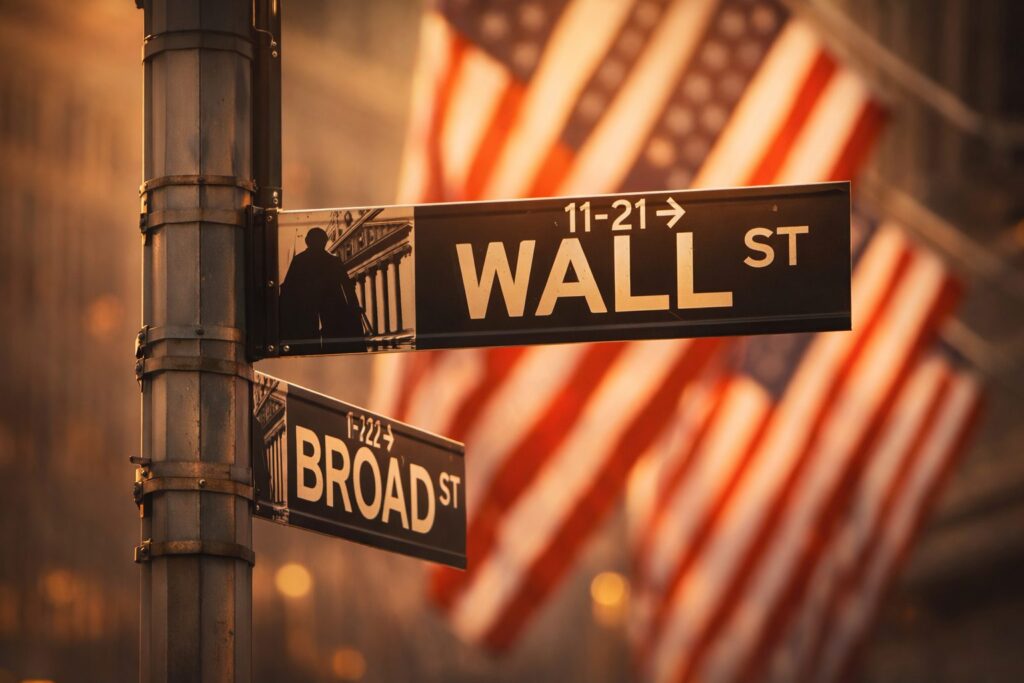
On this Christmas Eve, Wall Street closed with a flourish, marking new records for the Dow Jones Industrial Average and the S&P 500. The indexes finished at all-time closing highs, while the Nasdaq also continued its year-end ascent. A lighter trading volume, typical for a holiday-shortened session, shaped the day’s trading dynamics, yet enthusiasm among investors surged due to optimistic labor-market data, a bounce-back in AI-related stocks, and renewed discussions about potential Federal Reserve rate cuts in 2026.
In the day's trading session:
- Dow Jones Industrial Average: rose 288.75 points (+0.6%) to 48,731.16
- S&P 500: gained 22.26 points (+0.32%) to 6,932.05
- Nasdaq Composite: added 51.46 points (+0.22%) to 23,613.31
These gains signify a fifth consecutive advance for the major indexes, echoing the late-December "risk-on" sentiment. This mood often prevails as the year approaches its end, especially when investors perceive that the Federal Reserve may be moving closer to easing interest rates rather than tightening them.
Several factors contributed to today’s market rally:
Key Drivers Behind Today's Market Rise
1) AI-Linked Stocks Make a Comeback
After experiencing a pullback last week due to concerns about inflated valuations and doubts over whether significant AI investments would yield profits, stocks tied to artificial intelligence rebounded. This resurgence has become one of the defining narratives as 2026 approaches; while optimistic investors foresee years of growing earnings, skeptics express concerns that spending is outpacing actual returns.
2) Jobless Claims Better Than Expected
New claims for unemployment benefits in the U.S. dropped to 214,000 for the week ending December 20, down 10,000 from the preceding week. The Labor Department's report also indicated that insured unemployment stood at 1.923 million, with an insured unemployment rate of 1.3% for the week ending December 13. This data supports the narrative of a labor market that, while slower than in earlier stages of recovery, remains intact and resilient, fueling confidence in a "soft landing" for the economy.
3) Federal Reserve Rate Cut Speculation
Market participants are increasingly pricing in approximately 50 basis points of rate cuts in 2026, despite low expectations for any movement in January. This anticipated rate trajectory is significant as the rally in 2025, which marked the S&P 500's third consecutive year of double-digit gains, has been closely tied to AI optimism, easing financial conditions, and a consistently growing economy.
Wednesday's trading session was not only notable for record closes but also for its subdued atmosphere. The U.S. stock markets closed early at 1:00 p.m. ET due to Christmas Eve, with bond markets following suit at 2:00 p.m. ET. Trading volume was notably low, with 7.61 billion shares exchanged across U.S. exchanges, compared to a 20-day average of 16.21 billion. On the New York Stock Exchange, approximately 1.8 billion shares were traded, roughly one-third of a typical trading day. Such thin liquidity can amplify market movements, as larger institutional players often pull back during holiday weeks, leading the price action to reflect more on strategic positioning and headlines than on firm conviction.
Individual stock performance remained dynamic even amidst the shorter trading session:
- Micron Technology: Shares surged 3.8% to a closing record of $286.68 following a strong forecast issued the previous week.
- Nike: The company’s stock jumped 4.6% after Apple CEO and Nike board member Tim Cook purchased about $3 million in shares.
- Dynavax Technologies: Shares skyrocketed 38.2% following news that Sanofi has agreed to acquire the vaccine maker in a deal valued at around $2.2 billion.
- Intel: The stock dipped after reports surfaced about Nvidia halting testing related to Intel’s 18A production process, highlighting the ongoing competition within the semiconductor industry.
- Nvidia: A separate report indicated that Nvidia is set to acquire AI chip startup Groq for $20 billion in cash—an announcement that could reshape perceptions about the competitive landscape for AI technology.
Wednesday also marked the beginning of the much-anticipated "Santa Claus rally," typically defined as the last five trading days of the year plus the first two trading days of January. This year's period extends from December 24 to January 5, and while seasonal patterns don't guarantee outcomes, they often coincide with reduced liquidity, year-end portfolio rebalancing, and tax-related flows.
Looking ahead, the financial landscape appears optimistic, though strategists are cautious about sustaining momentum. With the S&P 500 up more than 17% in 2025 and nearing the end of a third consecutive year of strong returns, discussions have shifted from a focus on market strength to concerns about the sustainability of future growth. Projections for S&P 500 earnings growth suggest an increase of over 15% in 2026, with hopes that profit growth will extend beyond just the major tech players.
Despite this optimism, analysts warn of potentially heightened volatility in 2026 as various factors come into play, including Federal Reserve policy, lofty valuations, and the uncertain returns on AI investments. Traders will be watching closely in the coming weeks as the market reopens on Friday, December 26, with activity expected to remain subdued as many investors have already reduced trading during the holiday season.
As of December 24, 2025, the U.S. stock market has entered a potentially lucrative year-end season characterized by record highs and an optimistic outlook. However, the same forces propelling this rally—AI enthusiasm, expectations of rate cuts, and premium valuations—carry risks, and a single surprising data point or corporate announcement could swing market sentiment dramatically.
Are You Over 50? 7 Shocking Habits That Could Keep You Feeling Young—#5 Will Blow Your Mind!

Is Your Christmas Tree Hiding a Dark Secret? Shocking Climate Change Threatens Holiday Traditions!

Bitcoin's Shocking Plunge: JPMorgan's Secret Market Shift & 96% Surge You MUST See!
Investors Are Shocked! XYZ Corp's Earnings Report Could Change Everything—Find Out Why!
You Won't Believe How Social Media Is Secretly Changing Your Mind—The Shocking Truth Inside!

You Won't Believe What Happens This Election Season: Filing Dates Just Announced! Are You Ready?
You might also like: