
Is Your Christmas Tree Hiding a Dark Secret? Shocking Climate Change Threatens Holiday Traditions!

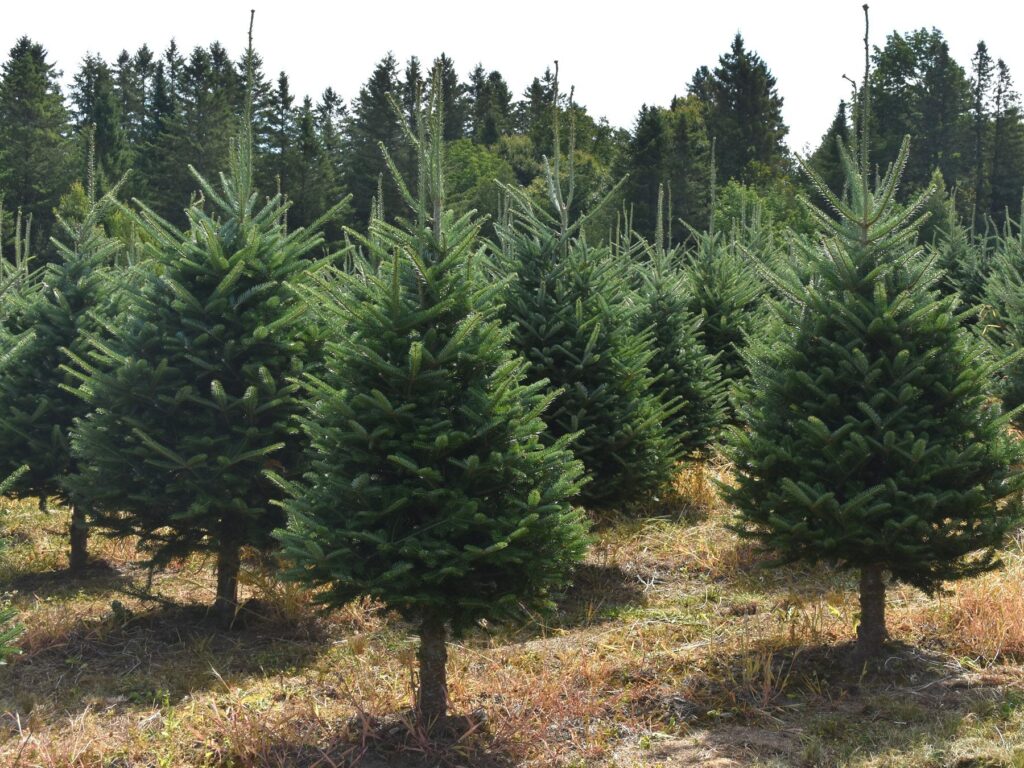
For Alison McCrindle, the owner of Chickadee Christmas Trees in Puslinch, Ontario, the narrative of her life often feels like a scene from a Hallmark movie. Since 1997, she and her husband have dedicated their lives to growing Christmas trees, embodying the joy and tradition that the holiday season brings to countless families. However, beneath the cheerful facade of Christmas tree farming lies a growing concern for many in the industry: the impact of climate change.
As temperatures rise, McCrindle and her husband find themselves spending more time hand-watering their saplings—around 1,000 trees planted each year—due to increasing drought risks. Despite their efforts, they cannot provide the necessary care for every tree, leading McCrindle to worry that certain species may not survive in the next decade. “We just don’t have the means to water them all,” she states, highlighting the challenges faced by growers in adapting to a changing climate.
Challenges in the Christmas Tree Industry
Canadian Christmas trees, particularly the balsam fir, are synonymous with holiday traditions and are often featured in Christmas films. Kelsey Leonard, a climate adaptation scientist and founder of the Christmas Tree Lab at the University of Waterloo, notes that these films project a vision of Christmas intertwined with Canadian culture and landscapes. Yet, the industry is currently grappling with significant changes.
In 2024, Canadian tree farmers exported more than 1.6 million Christmas trees, a stark decline from the 2.4 million exported in 2021. Growers like Matt Wright from New Germany, Nova Scotia, attribute this decrease to more trees being sold within Canada and a wave of retirements among older growers. However, Wright's biggest concern remains the effects of climate change on younger trees that take around seven to ten years to mature. He observes shifting seasonal patterns: autumns are warmer for longer, summers are hotter, and winters now blend into spring. This disruption prevents a gradual transition between seasons and has resulted in extreme weather events such as floods and droughts.
Christmas trees, given their long growth cycle, are particularly vulnerable to these unpredictable conditions. Each tree can face multiple droughts throughout its life, which stunts growth and can lead to severe economic consequences for farmers like McCrindle, who note that some of their trees now take over a decade to reach sellable height.
Beyond immediate threats, climate change also alters the soil health surrounding Christmas trees. Wright mentions how reduced frost penetration creates favorable conditions for harmful soil-based diseases and alters the behavior of insects, causing them to attack trees at different times or consume different parts than usual. He fears that the traditional method of growing trees in Nova Scotia—relying on natural stands—will become untenable. Irrigation systems, which could help adapt to hotter conditions, are prohibitively expensive for many small farmers, forcing them to consider abandoning these lots altogether.
Adding to the growers' struggles is the insufficient support from crop insurance programs. Leonard points out that Christmas trees are often classified as ornamental crops, relegating them to a secondary status in the eyes of policymakers. This classification excludes them from crucial programs that could provide financial assistance and climate adaptation strategies that other crops benefit from.
“Christmas trees have been boxed into this corner from a policy lens,” she states, emphasizing their overlooked contributions to biodiversity. Most Ontario Christmas tree growers plant an average of four different tree species, which allows them to thrive in varying soil types and climates. These farms function as miniature forests, protecting soil, reducing erosion, and maintaining moisture during drought years.
Despite the challenges, many Canadian Christmas tree farmers, including Wright and McCrindle, continue to adapt to their changing environment. Wright, for example, was relieved to see that the trees he exported to Panama maintained their health after a dry summer. “Nature can amaze us in that it’s incredible what these plants can do under stress,” he notes, expressing a cautious optimism.
While McCrindle acknowledges the difficulties, she remains steadfast in her commitment to her farm. Despite experiencing the hottest summer in 70 years in 2025, she reports that this year was unexpectedly good for their business. After years of nurturing a group of trees to the appropriate height for selling as pre-cut Christmas trees, the couple finally saw their hard work come to fruition.
Ultimately, McCrindle believes that success in Christmas tree farming comes down to resilience. “When it comes down to it, it is a bit of hard work and a labor of love,” she says, reflecting the spirit of many growers who are determined to preserve their cherished traditions in the face of environmental shifts.
Bitcoin's Shocking Plunge: JPMorgan's Secret Market Shift & 96% Surge You MUST See!

Investors Are Shocked! XYZ Corp's Earnings Report Could Change Everything—Find Out Why!
You Won't Believe How Social Media Is Secretly Changing Your Mind—The Shocking Truth Inside!

You Won't Believe What Happens This Election Season: Filing Dates Just Announced! Are You Ready?

You Won't Believe What Jason Rowe's Shocking Move to Balance Fitness Means for Your Workout!

Oregon Ducks Shock Fans: 5 Pro Bowl Selections Changing NFL's Future Forever!
You might also like: