RFK Jr. and Trump Team Up: Is This the Game-Changer Healthcare Needs? Shocking Polls Inside!

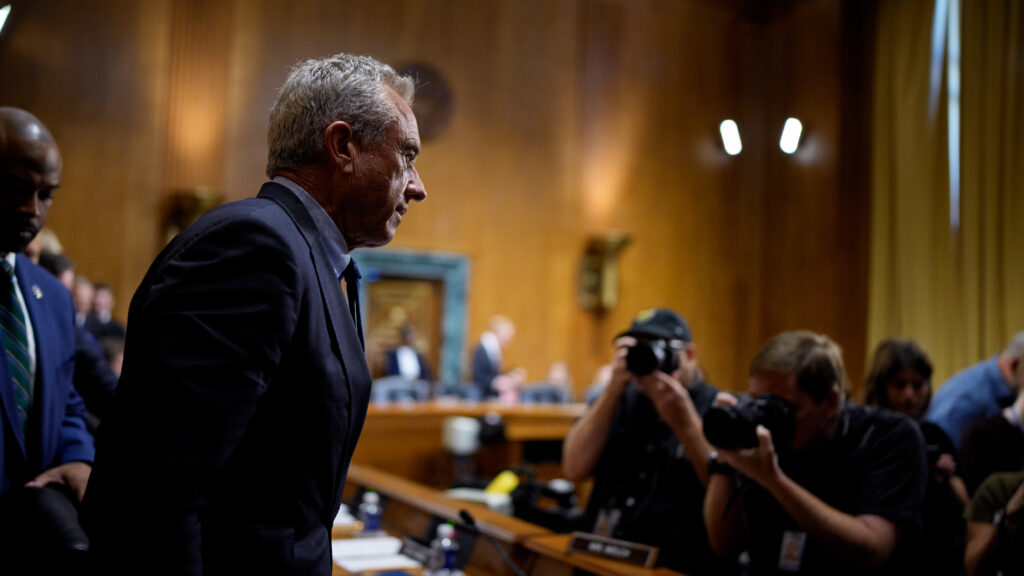
As one of his first acts as Secretary of Health and Human Services, Robert F. Kennedy Jr. pledged a significant restructuring of the department. His vision, encapsulated in the "Make America Healthy Again" agenda, includes a 20% reduction in the workforce, aimed at streamlining operations and refocusing on chronic disease management. While this promise resonated with some, the subsequent months have revealed a complex landscape filled with legal challenges and stalled initiatives.
Despite the hurdles, including legal battles linked to some of the firings and the delay in establishing a new agency—the Administration for a Healthy America—Kennedy has continued to consolidate his power within the department. A notable move has been the reconstitution of a federal vaccine advisory panel, where he has appointed allies alongside skeptics of the current vaccination framework. This shift has set the stage for increased scrutiny of the childhood vaccine schedule, a topic that has long been a point of contention in public health discussions.
The promise of a leaner, more focused Health and Human Services department carries implications that extend beyond administrative changes. Kennedy's emphasis on tackling chronic diseases reflects a growing acknowledgment of the pressing public health issues facing Americans today. Chronic diseases, which include conditions such as diabetes, heart disease, and obesity, account for a substantial portion of healthcare spending and have far-reaching effects on the quality of life for millions. The proposed Administration for a Healthy America aims to prioritize these issues, but the road to its establishment has been rocky, with Congress yet to finalize any framework.
At the heart of Kennedy's strategy is a desire to shift the conversation around vaccination, a topic that has become increasingly polarized in recent years. By appointing individuals with varying perspectives to the vaccine advisory panel, he has opened the door to debates that could lead to changes in vaccine protocols. This move may appeal to segments of the population who have expressed hesitance towards vaccinations, thus potentially reshaping public health policy in a climate that is already fraught with misinformation and skepticism.
As these developments unfold, the impact on American public health remains to be seen. While Kennedy's vision of a healthier America is ambitious, it faces significant challenges, both politically and in terms of public perception. The ongoing legal disputes and congressional gridlock could hinder or alter the implementation of his agenda, leaving many to wonder what the future of public health policies will look like under his leadership.
In summary, Robert F. Kennedy Jr.'s early actions as Secretary of Health and Human Services signal a transformative approach to health policy in the United States. However, navigating the complexities of legal battles and public opinion will be crucial in determining whether his vision can translate into tangible change for American health outcomes. As the situation develops, stakeholders across the spectrum will be watching closely to gauge the effectiveness and implications of these policy shifts.
Military Discharged for Refusing COVID Vaccine Could Regain Benefits—You Won’t Believe the Shocking Details!
Stock Futures Surge: What Shocking Jobs Data Could Mean for YOUR Investments!

Park Na-rae Scandal: Will Her Controversial Comments Bring Down the Entire Entertainment Industry?

Are Bitcoin Metrics Warning Us of a 2018-Style Crash? Shocking Numbers Inside!

Milind Soman Joins Healthy Master: What This Shocking Move Means for Your Health!

CJ Chairman Makes a Shocking $1 Billion Bet on UAE's Food & Entertainment—What’s at Stake?
You might also like: