Military Discharged for Refusing COVID Vaccine Could Regain Benefits—You Won’t Believe the Shocking Details!

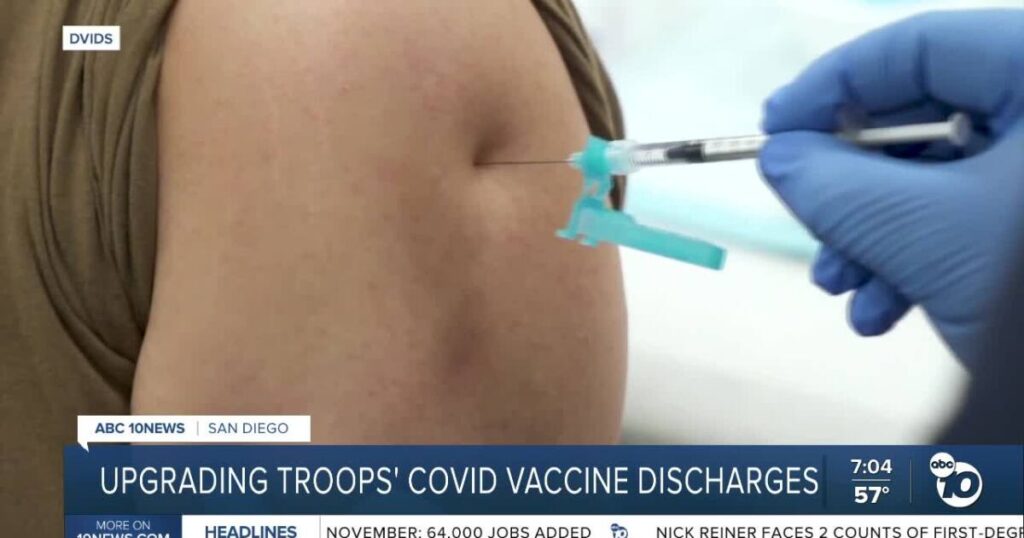
On Tuesday, Defense Secretary Pete Hegseth announced a significant policy shift regarding service members who refused the COVID-19 vaccine. The Department of Defense has initiated an immediate review of discharges for these individuals, potentially upgrading their status from a general to an honorable discharge. This change could restore essential benefits that many veterans have been without for years.
An honorable discharge unlocks important benefits like the GI Bill, insurance, and other support services. Currently, around 3,000 service members are awaiting an upgrade to their discharge status, which would allow them to access these critical benefits once again.
Among those affected is Matthew Northcutt, a former Marine sergeant who served at Camp Pendleton. Northcutt faced the anxiety of possibly being discharged for refusing the vaccine, stating, “The process, while I was in, was pretty stressful. It was really up in the air whether I was getting kicked out. Thankfully, I did not.” His situation was notably highlighted in a 2021 report by ABC 10News as he sought a religious exemption from the vaccine to avoid a dishonorable discharge. Northcutt served a total of 5.5 years and was spared dismissal, but over 8,000 other service members were not as fortunate, facing discharge for their vaccine hesitancy.
This announcement aligns with a previous promise made by former President Donald Trump, who stated, “This week I will reinstate any service members who were unjustly expelled from our military for objecting to the COVID vaccine mandate with full back pay.” The Department of Defense indicated that it will automatically review records to upgrade discharges and that most former members will not need to take additional steps; they have already assisted 900 veterans in receiving upgrades.
Mat Staver, Founder and Chairman of Liberty Counsel, expressed relief at the decision, saying, “They are stellar individuals who were mistreated, so we're certainly glad to see that some justice, even though it's late, is coming to them.” Staver has been a vocal advocate for service members resisting the vaccine, representing several thousand in their struggle against mandatory vaccination. He previously represented Northcutt in a federal lawsuit that ultimately failed, although he successfully obtained several injunctions against various military entities, including the United States Air Force Academy.
Staver reflected on the escalating tensions within the military regarding vaccine compliance, noting that service members were initially threatened with dishonorable discharges—a designation comparable to a felony in civilian life. In December 2021, Congress intervened, changing the potential punishment from dishonorable to less-than-honorable discharges. Staver reported that many service members felt a profound sense of betrayal during this tumultuous period, which took a heavy emotional toll. He mentioned incidents where individuals were threatened with demands to repay educational costs associated with their service. Tragically, Staver noted, “We do know of two individuals who committed suicide because of this intense pressure that was placed on them.”
When reflecting on his future, Northcutt acknowledged the lingering stigma that follows those who resisted the vaccine. Although he has joined the reserves and is now utilizing his GI Bill to study law while raising a family, he expressed a wistful desire to return to active duty. “I truly do miss it,” he said, underscoring the complex emotions that accompany his experiences.
As the Department of Defense moves forward with its review process, Hegseth stated that all upgraded members will receive notification by mail. This transformative decision marks a pivotal moment in addressing the concerns of service members affected by the COVID-19 vaccine mandate and may help to heal some of the wounds inflicted during this contentious period.
Stock Futures Surge: What Shocking Jobs Data Could Mean for YOUR Investments!

Park Na-rae Scandal: Will Her Controversial Comments Bring Down the Entire Entertainment Industry?

Are Bitcoin Metrics Warning Us of a 2018-Style Crash? Shocking Numbers Inside!

Milind Soman Joins Healthy Master: What This Shocking Move Means for Your Health!

CJ Chairman Makes a Shocking $1 Billion Bet on UAE's Food & Entertainment—What’s at Stake?

Knicks Stun Spurs in Shocking NBA Cup Final Comeback: You Won't Believe How They Did It!
You might also like: