
Apple’s Shocking Move: 256GB Mac Mini Disappears Overnight—Is a Major Price Hike Coming?

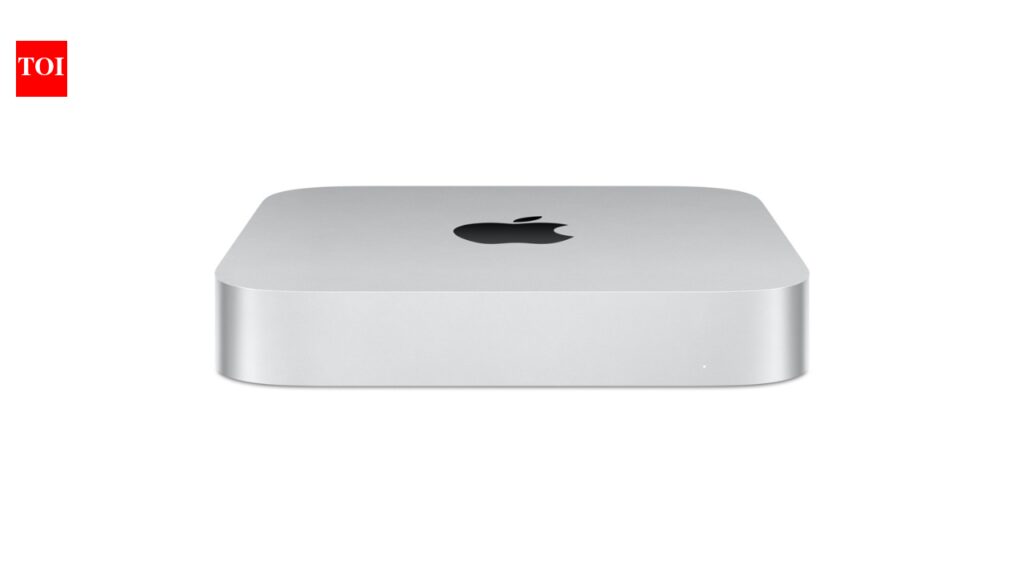
In a significant shift for consumers and tech enthusiasts, Apple has officially discontinued the 256GB storage option for its popular Mac mini. This change comes amidst ongoing chip shortages and heightened demand for Apple’s latest hardware. As a result, the starting price of the Mac mini has effectively increased, with the 512GB model now becoming the sole entry-level option at a price point of $799.
Previously, Apple offered a base model of the Mac mini equipped with 256GB of storage for $599. However, this configuration has been completely removed from Apple’s online store. The new entry-level model comes with the M4 chip, 16GB of RAM, and the 512GB of storage, marking a considerable jump in price for budget-conscious consumers looking to invest in Apple's smallest desktop computer.
According to Macrumors, the shift places the Mac mini in a more premium category, which may deter some potential buyers. High-end configurations utilizing the M4 Pro chip already required a minimum of 512GB of storage, so their pricing remains unchanged. The immediate consequence of this decision is clear: for those who were previously attracted by the lower price point of the 256GB model, their options are now limited, potentially pushing them to consider alternatives or higher-priced models.
The announcement follows a warning from Apple CEO Tim Cook, who indicated during a recent earnings call that the company is facing a prolonged period of chip supply constraints. He stated that it could take "several months" to balance supply and demand for the Mac mini and other products, including the Mac Studio and MacBook Neo. Cook acknowledged that the demand for these products had exceeded Apple’s initial projections, largely due to their capabilities in supporting AI and agentic tools, further complicating supply issues.
“Realistically, on the Mac mini and the Mac Studio, I believe it will take several months to reach supply-demand balance. We are not at the point where we are saying this is going to end anytime soon,” Cook remarked. “It is not because of a problem per se, other than we undercalled demand, and there are lead times as you know.”
The broader context of these supply issues is tied to a global memory chip shortage that has been affecting numerous tech companies. The surge in demand for memory chips has been significantly driven by the rapid expansion of AI technologies, which require advanced hardware capabilities. Cook noted that Apple is anticipating “significantly higher memory costs” in the upcoming quarter but clarified that the company’s main constraints lie in the availability of advanced nodes used in the production of its system-on-chips (SoCs), rather than the memory itself.
As tech giants like Apple navigate these supply chain challenges, consumers are left to grapple with the implications. The discontinuation of the 256GB Mac mini is a clear signal that even established brands are not immune to the pressures of supply shortages. For many shoppers, this could mean reevaluating their purchasing decisions or delaying upgrades until a more favorable balance of supply and demand is achieved.
In conclusion, Apple's recent decision to discontinue the 256GB Mac mini not only reflects the current realities of the tech industry but also underscores the importance of adaptability for both corporations and consumers in a volatile market. As the landscape continues to evolve, the true impact of these changes will unfold in the coming months, shaping the choices available to consumers in a world increasingly reliant on technology.
Mesa's Real Estate Prices Are Plummeting—Find Out Why Experts Are Shocked!

Unlock $1,000 Per Month Using Just Your Smartphone in 2026—You Won’t Believe How Easy It Is!

Lakers Crush Rockets 98-78! What Shocking Twist Awaits in Their Next Epic Showdown?

Trump's Shocking New Order Could Change College Sports Forever—Are Athletes in Danger?

Meta's Shocking Robotics Buyout: Will 8,000 Jobs Vanish in the AI Revolution?

Tech Giants Partner with Unions: Are AI Data Centers the Future or a Nightmare? Find Out NOW!
You might also like: