
Trump's Shocking New Order Could Change College Sports Forever—Are Athletes in Danger?

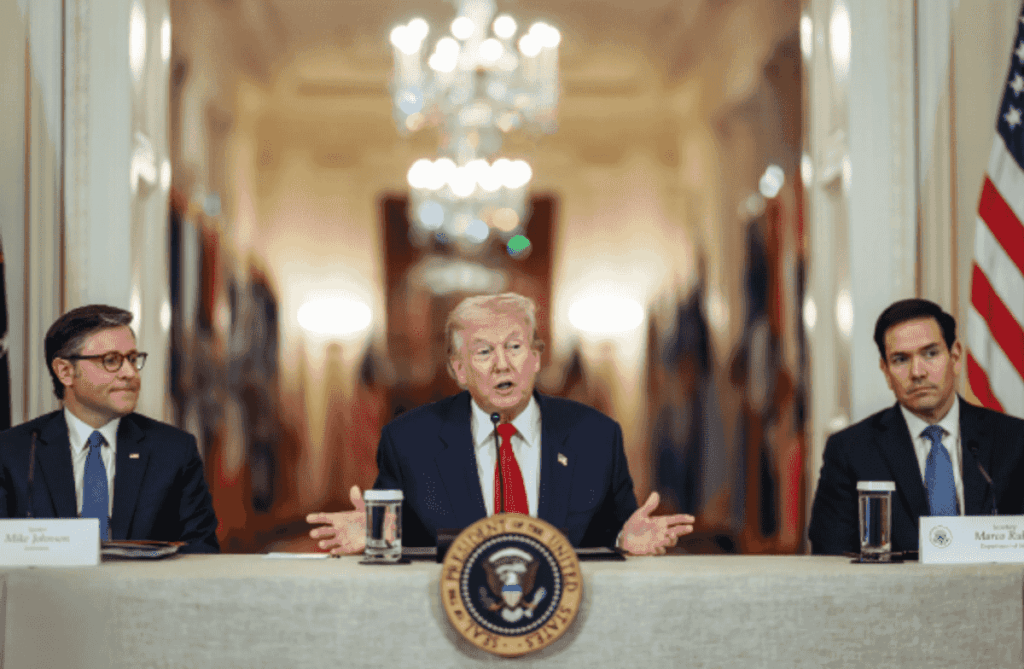
A proposed executive order from President Donald Trump, signed on April 3, 2026, aims to transform college athletics in the United States, particularly focusing on leveling the playing field between the wealthiest programs, often referred to as the Power 4, and smaller mid-major programs. The initiative has stirred significant interest and concern within the NCAA landscape.
Currently, college athletics are dominated by programs that have substantial financial resources to attract top talent. As it stands, there are minimal restrictions on how much money can be allocated to athletes by their schools. President Trump emphasizes that clear rules and guidelines are essential for the integrity of college sports. In a public statement, the White House articulated, “College sports cannot function without clear, agreed-upon rules concerning pay-for-play and player eligibility that can't be endlessly challenged in court, as is the case now.”
The proposed order aims to introduce regulations limiting the number of transfers and the years athletes can compete, in hopes of preserving the competitive nature of college athletics. The changes are set to take effect on August 1 of the same year. However, it’s important to note that these plans are not yet law but serve as a directive for Congress and the NCAA on how to amend the current rules governing college sports.
One notable change would adjust the eligibility timeline for college athletes, allowing them to play for five seasons within a five-year period. This contrasts with the existing model, which permits athletes to compete for four seasons in five years, barring any medical redshirt situations. The adjustment aims to address the growing trend of athletes applying for eligibility waivers to extend their collegiate careers, resulting in some competing for up to six years while having only one year of eligibility remaining.
The executive order suggests that athletes competing for four years would be granted an additional year under the new rule, similar to the extra year of eligibility granted during the Covid-19 pandemic. However, in the current environment dominated by Name, Image, and Likeness (NIL) agreements and the transfer portal, the implications of this rule could disrupt existing team dynamics. Senior players hoping to return for a fifth year may find themselves competing for roster spots against incoming freshmen and transfers.
This potential influx of talented fifth-year players could significantly impact NCAA competition. For instance, Brady Barke, the athletic director at Southeast Missouri State University, remarked, “They may be some of the better players in the country.” He suggested that these players could command larger sums of money, raising concerns for schools about their financial capabilities to retain top talent.
Today, many college basketball athletes currently occupying the transfer portal lack eligibility and are awaiting the outcome of this executive order. Under the proposed changes, athletes would only be permitted one transfer before facing a mandatory sit-out period for a season. This regulation could benefit smaller institutions like SEMO, providing them better chances to keep their players and compete against larger programs, although it wouldn’t completely eliminate challenges posed by the transfer portal.
The proposed order stipulates that its regulations would apply only to athletic programs generating at least $20 million in annual revenues, excluding most mid-major programs. Consequently, coaches like Brad Korn from SEMO's basketball program have remained focused on adapting to the evolving landscape without overreacting to potential changes. He stated, "If we try to adjust or adapt every time something different comes out, we’d constantly be doing that.”
Barke echoed this sentiment, noting that while Power 4 programs often operate under similar rules for the sake of consistency, future rules will likely impact mid-major programs as well. He believes that the next few months will be crucial in shaping significant changes in college athletics' transfer rules, eligibility requirements, and revenue-sharing structures. “The next 60 to 90 days will be really interesting,” Barke said. “Every decision has ripple effects.”
As the landscape of college athletics continues to evolve, the proposed executive order signals a possible shift in how programs navigate the complex interplay of finances, player eligibility, and competition. Stakeholders at all levels will be closely monitoring the developments in the coming weeks.
Meta's Shocking Robotics Buyout: Will 8,000 Jobs Vanish in the AI Revolution?

Tech Giants Partner with Unions: Are AI Data Centers the Future or a Nightmare? Find Out NOW!

Ravens’ Bold Move: Could Stefon Diggs Leave Bills for Raiders? Shocking Details Inside!

You Won't Believe What the vivo X300 Ultra Captured in Hong Kong—340x Telephoto Magic Exposed!
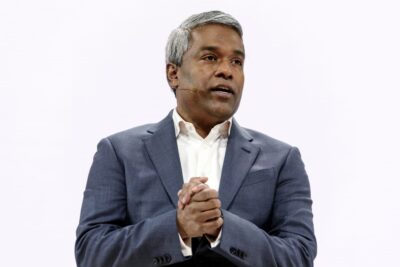
Google Cloud's Thomas Kurian Drops a Bombshell: How Two New Chips Could Topple Microsoft and Amazon—Are You Ready for the Shock?

Ethereum’s Price Should Have Crashed—Why This Expert Warns You’re Missing a Major Red Flag!
You might also like: