
You Won't Believe How the Salk Vaccine Changed Millions of Lives—Discover the Shocking Truth!

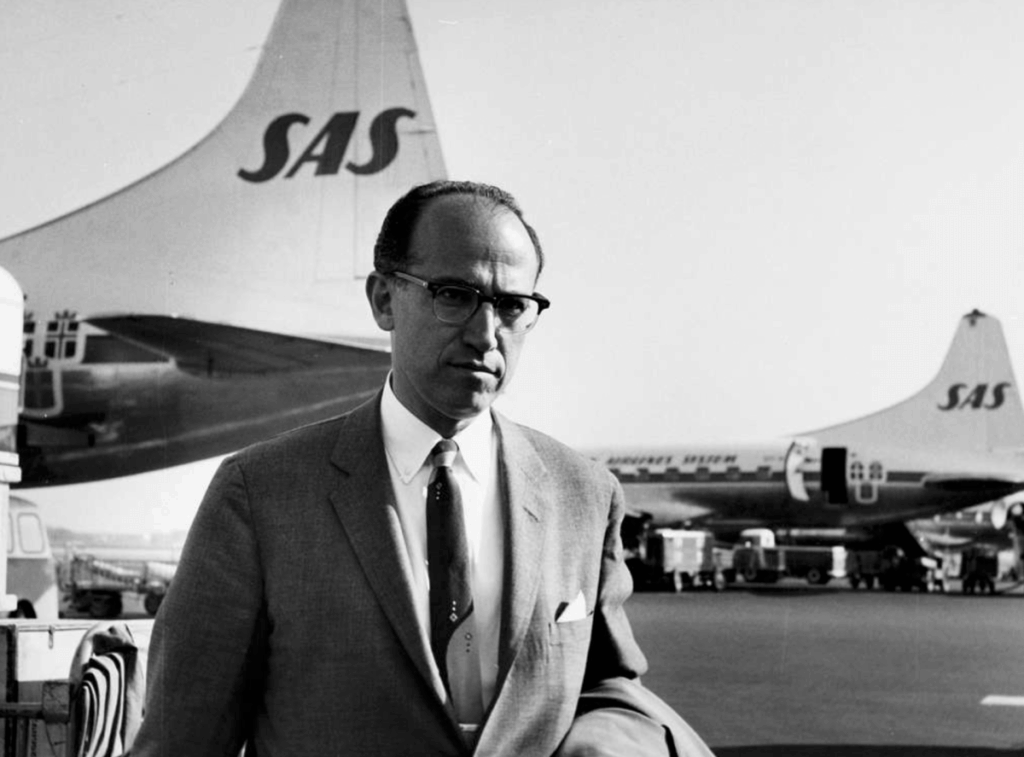
On April 26, 1954, a pivotal moment in public health history began as clinical trials commenced for the **Salk vaccine**, an innovative creation that would revolutionize the fight against poliomyelitis, commonly known as polio. Developed by **Jonas Salk**, an epidemiologist from the **University of Pittsburgh**, this vaccine aimed to eradicate a disease that had plagued humanity for centuries and caused widespread fear due to its potential for lifelong paralysis.
Polio has a long history, with its origins traced back to ancient civilizations. Artistic representations of polio can be found in various forms throughout history. The virus is primarily transmitted through contaminated water and through respiratory droplets from infected individuals. The ***19th*** and ***early 20th centuries*** witnessed terrifying epidemics of polio, prompting urgent calls for a vaccine, particularly as there was no known cure.
Before the official trials began, Salk took the unprecedented step of testing the vaccine on himself and his family in ***1953***, demonstrating both his confidence in the vaccine and the pressing need for a solution. The trials themselves became one of the largest and most publicized clinical trials of the time, involving **623,972 children** across the United States, supported by numerous control groups. This monumental effort was sponsored by the **National Foundation for Infantile Paralysis**, now known as the **March of Dimes**, an organization founded by **President Franklin D. Roosevelt**, who himself had suffered from polio.
Roosevelt’s battle with the disease—he lost feeling from the waist down—led him to establish the National Foundation for Infantile Paralysis, which played a crucial role in funding research for the polio vaccine. The organization mobilized grassroots efforts to raise funds, further solidifying the importance of community in public health advancements.
In the trials, the focus was on grade school children, particularly in counties with the highest rates of polio paralysis. Volunteers from the foundation visited schools to encourage parental consent for their children’s participation, highlighting the comprehensive approach taken to ensure that the trials were representative of those most affected by the disease.
The results were overwhelmingly positive; the Salk vaccine was found to be **80%-90% effective** in preventing polio paralysis. Following Salk's work, **Albert Sabin**, a Polish scientist, developed an oral version of the vaccine, known as the **oral poliovirus vaccine (OPV)**, which could be administered via a sugar cube. This new delivery method proved easier and more widespread, eventually replacing the Salk vaccine, although it raised concerns in under-vaccinated communities due to the potential circulation of a weakened form of the virus.
The story of the polio vaccine is particularly poignant in today's context, as vaccines have become a heated topic of debate. Many may not fully appreciate the world as it existed before vaccinations became commonplace. In modern times, it is unlikely that a clinical trial targeting school-age children would be conducted in the same manner due to evolving ethical standards and the socio-political landscape. Nevertheless, the significance of vaccinations in enhancing public health cannot be overstated. Today, the sight of iron lungs—once a common treatment for polio—has become a rare occurrence, a testament to the success of vaccination efforts.
As we reflect on the impact of the Salk vaccine, it is essential to remember the history of vaccine development and the lives saved by immunization. The legacy of this landmark achievement in medicine continues to resonate as we navigate the complexities of public health challenges today.
Shocking Warning: PA Election Officials Expose Disturbing Plans to Hack Voting Systems—Are Your Votes at Risk?
You Won’t Believe What Epitopea’s New Ovarian Cancer Vaccine Could Mean for 1 in 78 Women!
$3 Million Up for Grabs: Are You Brave Enough to Enter the Grow-NY Competition? Don’t Miss Out!

You Won't Believe How Propy (PRO) is Revolutionizing Real Estate—Are You Missing Out on This $1.5 Trillion Opportunity?

S&P 500, Nasdaq, and Dow Plunge: Is Iran's Shocking Offer the Catalyst We Didn't See Coming?

Netanyahu’s Rivals Unite! What Shocking Alliance Could Change Israel’s Future Forever?
You might also like: