
This Startup Plans to Bury a Nuclear Reactor 6,000 Feet Deep—Are We Ready for July 2026?

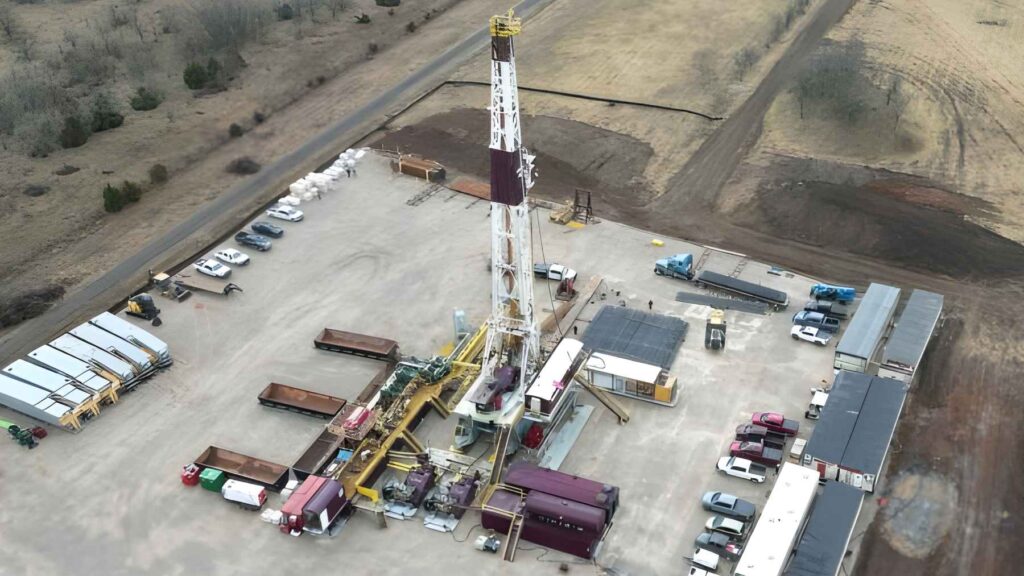
A California startup, Deep Fission, has embarked on a groundbreaking venture in Parsons, Kansas, drilling for a project that aims to redefine the U.S. nuclear industry. The company is working on a small reactor designed to be positioned nearly 6,000 feet underground, leveraging the surrounding rock as a critical component of its safety and containment strategy.
According to Deep Fission, the initial round of boreholes launched on March 11, 2026, marks the first step toward a pilot reactor that the company plans to bring to “criticality” by July 2026. This pioneering concept suggests a shift from traditional nuclear construction methods, which typically involve extensive surface foundations and substantial concrete-and-steel containment structures. Instead, Deep Fission's approach intends to lower a pressurized water reactor into a narrow shaft, relying on geology to aid in safety measures.
The potential implications of this technology extend beyond just innovative engineering. As the demand for consistent power grows—especially from data centers and industrial sites that operate around the clock—Deep Fission’s model could provide a reliable low-carbon energy source when wind and solar power may fall short. In an era where grid stability is paramount, the need for dependable energy solutions has never been more critical.
A Nuclear Innovation Takes Root
Deep Fission began its drilling operations with the first of three planned exploratory wells, each expected to reach approximately 6,000 feet deep and 8 inches wide. The drilling techniques mimic those used in the oil and gas sector, chosen for their precision and efficiency. The decision to site the project in Kansas is strategic; the region boasts stable and well-characterized geology, crucial for ensuring the reliability of the reactor's underground placement.
These exploratory wells serve not only to validate geological models but also to test the drilling and measurement tools necessary for this ambitious project. The aim is to ensure precision in what will be a significant engineering feat.
The design of the proposed pilot reactor is a small modular pressurized water reactor, scaled down to fit into a borehole. This 15-megawatt thermal unit, translating to about 5 megawatts of electrical output after conversion, could power remote industrial facilities or supplement a portion of a data center's energy requirements. This focus on data centers is intentional; as their energy needs escalate, grid planners are in pursuit of firm, low-carbon power sources capable of meeting demand during periods of low renewable energy output.
At depths of around 6,000 feet, the natural water column pressure can reach approximately 160 atmospheres—roughly 2,350 pounds per square inch. Deep Fission argues that this inherent pressure may reduce the necessity for heavy steel pressure boundary hardware, which is a common requirement for conventional reactors. Additionally, the surrounding rock formations present an extra layer of protection, isolating radiation and fission products in the event of an incident, primarily through geological barriers rather than solely relying on manmade containment structures.
However, this innovative reliance on natural geology raises questions about its long-term reliability. How can the company ensure that the rock formations will behave as predicted over decades? This uncertainty underlines the importance of the initial drilling efforts and the scrutiny that the permitting and safety processes will face from regulators and critics alike.
Deep Fission claims that by going underground, they can simplify construction and expedite timelines, bypassing the need for large surface structures and utilizing standardized drilling equipment instead. The company alleges that the cost per installed megawatt could be significantly lower than that of traditional nuclear projects. Investor interest appears strong; in February 2026, Deep Fission announced it secured $80 million in financing to accelerate commercialization efforts.
The company also benefits from a favorable policy environment. The U.S. Department of Energy's recently launched “Reactor Pilot Program” aims to expedite the construction and operation timelines for advanced reactor projects, with a target of achieving criticality for at least three test reactors by July 4, 2026. Deep Fission is among the select projects included in this initiative.
Securing fuel for the reactor is another critical aspect. On February 25, 2026, Deep Fission disclosed it had signed an agreement to acquire low-enriched uranium from Urenco USA, supporting its testing and operational phases. This move comes at a time when nuclear fuel supply chains are becoming increasingly complex and strategic. Reports indicate that the Department of Energy is actively working to enhance U.S. enrichment capacity to meet future demands.
The successful implementation of Deep Fission’s underground reactor could set a new precedent for low-carbon energy solutions in the United States, particularly as communities grapple with climate change and energy reliability. As the company progresses toward its next milestones—completing the exploratory wells and developing the pilot reactor—many eyes will be on Kansas, where the future of nuclear energy might just be taking root.
However, as the project advances, it will inevitably spark discussions surrounding oversight, emergency planning, long-term monitoring, and public trust. The intersection of nuclear technology and local communities will become a focal point, raising essential questions about how this innovative approach to nuclear energy can coexist with public safety and environmental stewardship.
Boost Juice's Shocking 26-Year Surprise: Limited ST. ALi Coffee Collab You Can't Afford to Miss!

Unlock the Secret Sleepers: You Won’t Believe These 5 Players Could Change Your Fantasy Game!
Is the Pacific's $500 billion economy on the brink of collapse due to climate change? Find out now!

Discover the Shocking Truth Behind 'Nonnamaxxing'—Is Your Health at Risk? 5 Secrets You MUST Know!

You Won't Believe How We Scored Our Dream Family Home for Just $600K—A Shocking Twist!

OnePlus Ace 6 Ultra: Is This the Gaming Smartphone That Could Change Everything? Find Out Now!
You might also like: