
Maine Governor’s Shocking Veto: What It Means for the Future of 1,000 Tech Jobs!

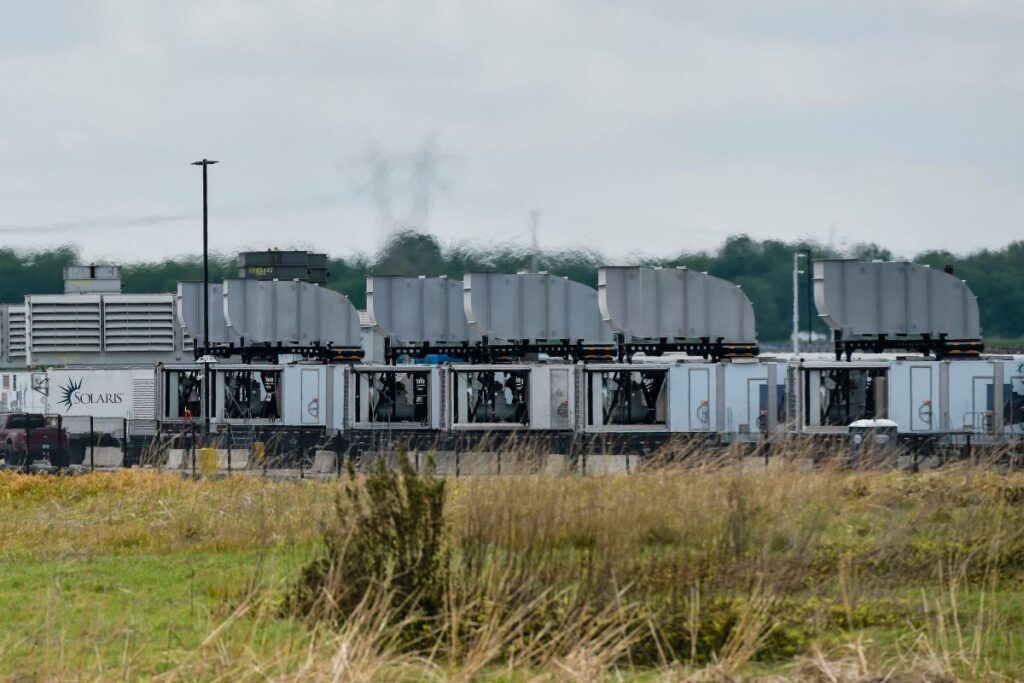
Maine Governor Janet Mills has vetoed a significant piece of legislation aimed at temporarily halting the construction of new data centers in the state. The bill, known as L.D. 307, would have imposed the nation’s first statewide moratorium on new data center permits, lasting until November 1, 2027. Alongside this moratorium, the proposal included provisions for establishing a 13-person council tasked with studying the implications of data center construction and making recommendations for future policy.
This decision comes amid rising public opposition to data centers, which have been criticized for their environmental impact and their effects on local electricity rates. In fact, other states, such as New York, are contemplating similar moratoriums as concerns grow regarding the sustainability of these large-scale operations.
In her letter to the state legislature explaining her veto, Mills, a Democrat currently running for the U.S. Senate, expressed that a pause on new data centers might be “appropriate given the impacts of massive data centers in other states on the environment and on electricity rates.” However, she noted that she would have supported the bill had it included an exemption for a specific data center project in the Town of Jay, which has garnered strong local backing.
Governor Mills stated, “The project enjoys strong local support from its host community and region,” highlighting the importance of local sentiment in decisions regarding infrastructure development.
Melanie Sachs, a Democratic state representative who sponsored the bill, responded to the veto by underscoring the potential repercussions for all ratepayers, the electric grid, and the environment. She emphasized that the construction of new data centers could have long-lasting effects on Maine’s energy future, raising concerns about how these facilities may strain existing resources.
The dynamic around data center development is shifting rapidly, with states beginning to reevaluate their strategies for managing energy consumption and environmental impacts. As technology companies increasingly rely on vast data centers for cloud computing and other digital services, the balance between economic growth and environmental sustainability becomes ever more critical.
As this debate continues, Maine finds itself at a crossroads. On one side, the potential for economic development driven by new technology infrastructure; on the other, the need to protect the environment and ensure fair electricity rates for residents. The outcome of this discussion will likely set a precedent for how other states approach similar challenges.
Why Alexandria Real Estate Equities Could Plummet: Shocking Q1 2026 Predictions Revealed!

Cyndi Lauper's SHOCKING Outburst: What She Said to a Heckler Will Leave You Speechless!

You Won't Believe How This Simple Android Trick Transforms Your Home Screen into a Stunning Masterpiece!

You Won't Believe What Rachel Dratch Transformed in Her NYC Apartment—The Shocking Reveals Inside!
This New Browser Update Will Leave You Vulnerable – Are You at Risk? Find Out NOW!
You Won’t Believe What Happens When Your Request Can’t Be Satisfied—This Shocking Truth Could Change Everything!
You might also like: